

I’m a sim racer and amateur racer with a passion for Motorsport, good racecraft and the technical and setup aspect of sim racing.
All Images credit: /user/recoilfx/
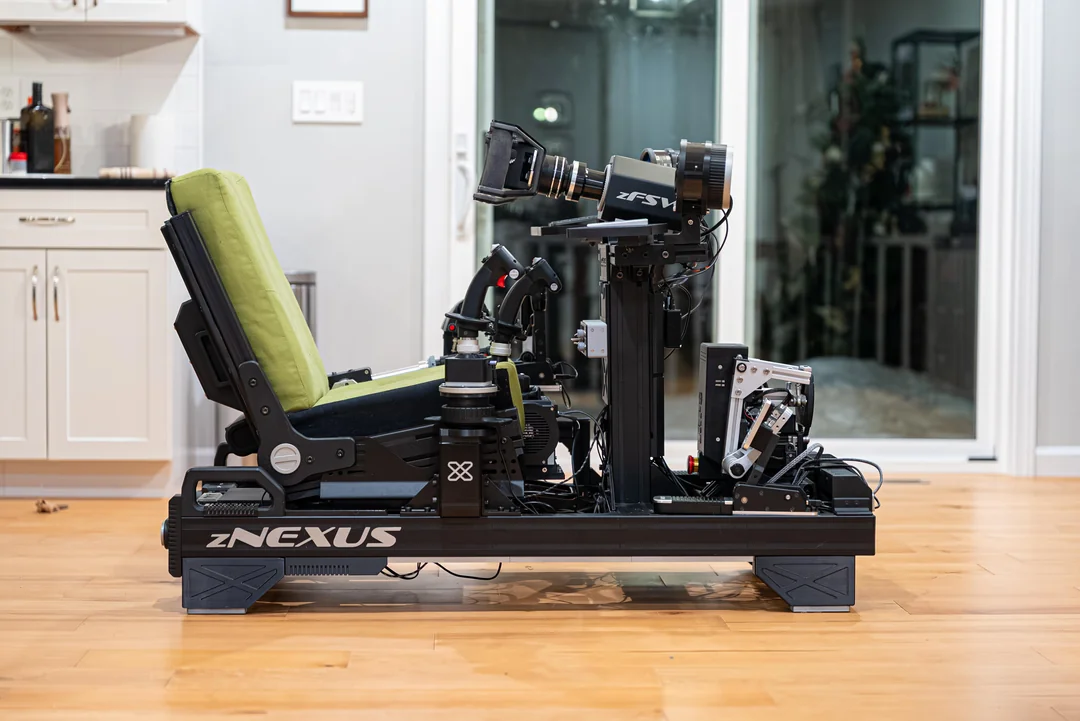
A sim racer on Reddit, recoilfx, has taken the DIY sim racing approach to an entirely new level, using a CNC machine to manufacture their own custom components to complete his sim racing setup. What started as learning to operate a newly acquired CNC turned into a comprehensive build project – wheelbase, pedals, shifter, mounted on a combined sim racing and flight sim rig/
From CNC Acquisition to Complete Custom Build
According to the Reddit post on r/simracing, this project began as a learning exercise with a newly purchased CNC machine. Rather than start small, the builder decided to rebuild an old FFBeast wheelbase using machined components.
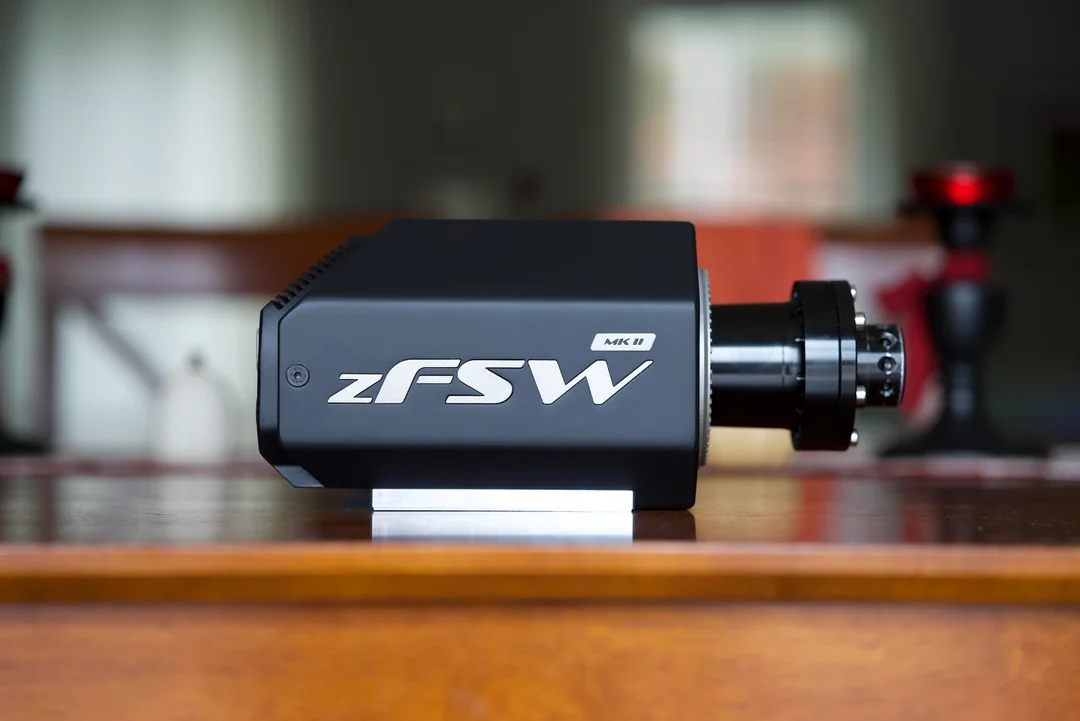
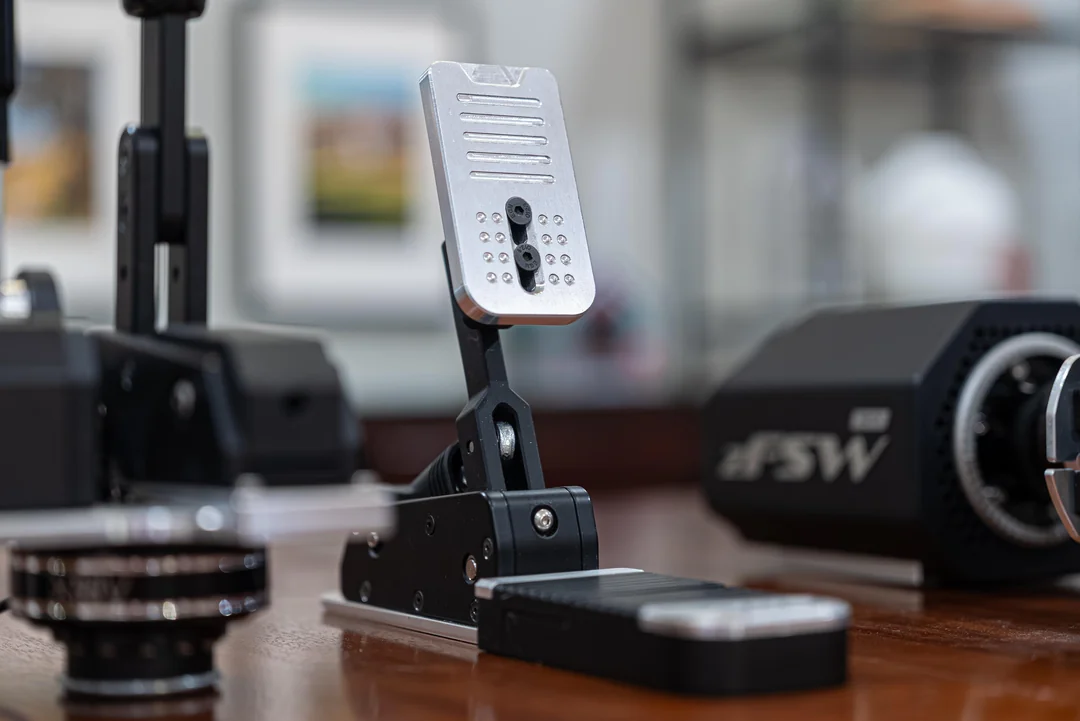
We’re talking about custom-designed and machined components for the wheelbase housing, pedal assemblies with self-designed load cells, a completely custom steering wheel, magnetic sequential shifter, and a handbrake. The level of engineering here is genuinely impressive – I think we’d pay money for something like this quite happily:
CNC Machining at Home?!
CNC machining offers something you simply can’t get with off-the-shelf hardware: micron-level precision with zero flex or play in mechanical connections. This translates directly to force feedback quality and pedal consistency that mass-produced components struggle to match.
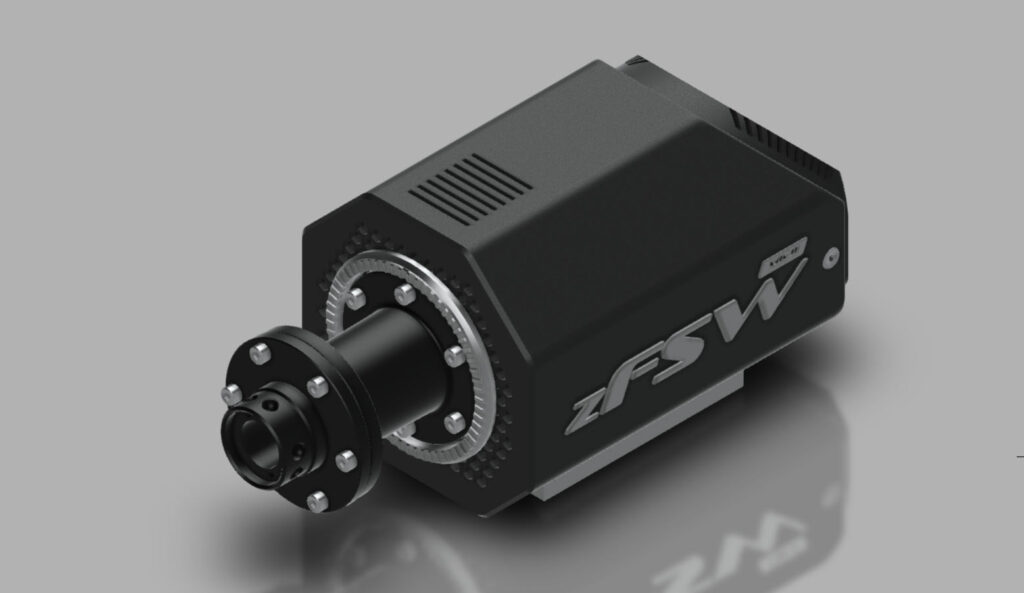
The technical advantages are significant. CNC allows for complex geometries and material choices that aren’t cost-effective for mass production – you can use different grades of aluminium or even titanium in specific areas to optimise stiffness-to-weight ratios. For a direct-drive wheelbase or load-cell pedal set, this level of precision makes a real difference in how forces are transmitted and felt.
That said, there’s no hiding the challenges. The initial investment in CNC equipment, tooling, and CAD/CAM software is substantial. The learning curve for operating CNC machinery effectively is steep – you need technical knowledge in design, programming, and machine setup. Tool wear, material costs, and the time investment for each component add up quickly.
Custom Components Throughout the Setup
What’s interesting about this build is the scope. It’s not just one component – it’s an entire ecosystem.
The wheelbase rebuild appears to be based on an FFBeast direct-drive system, with custom machined housing and mounting components that provide support for the motor assembly. The pedal set includes self-designed load cells – creating your own load cell is a serious engineering project that requires understanding of strain gauge placement, calibration, and signal processing.
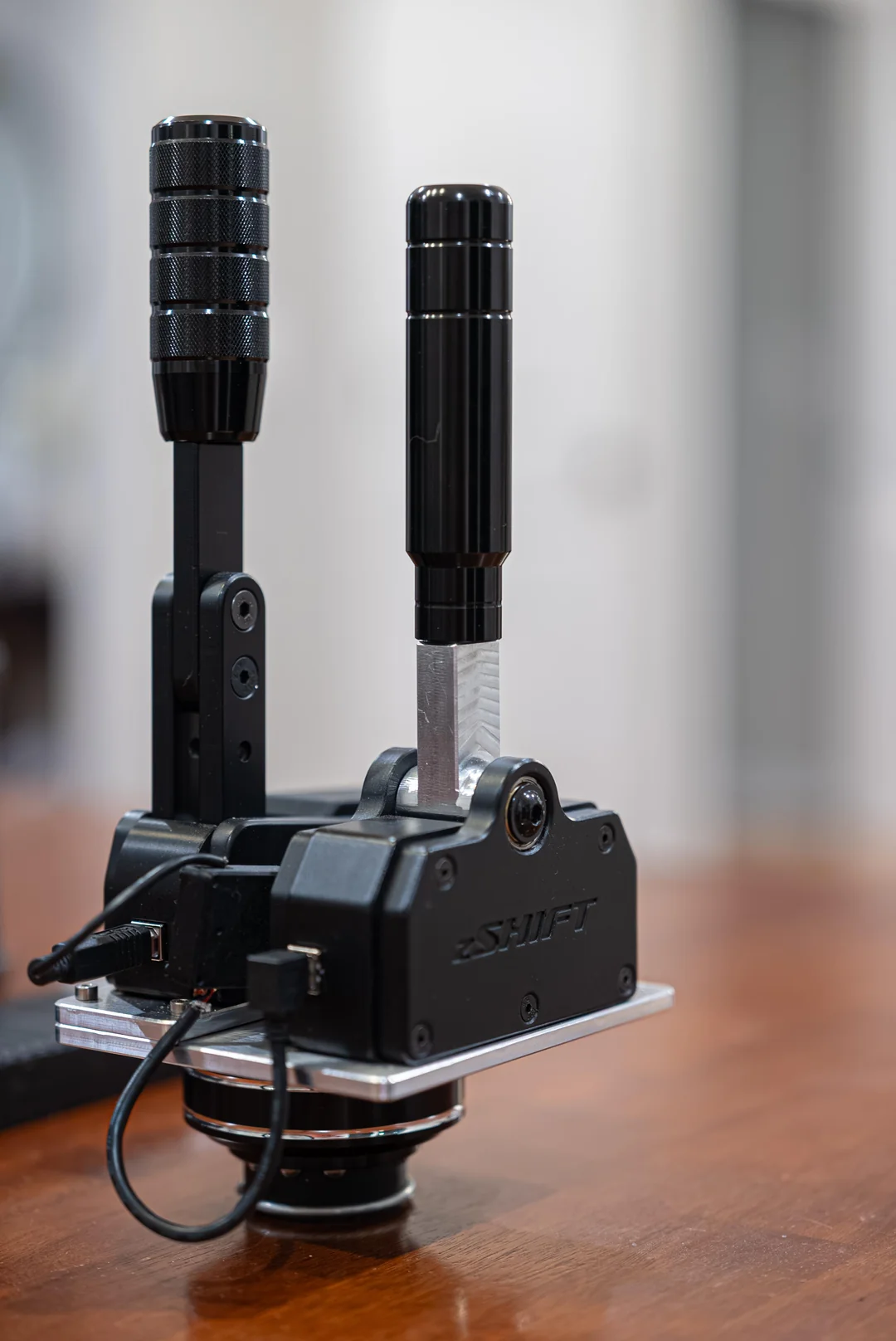
The shifter design uses magnetic actuation for the sequential mechanism – an approach that eliminates mechanical wear whilst providing precise, repeatable shift feel. The handbrake completes the control set, and from the images, the fit and finish look spot on.
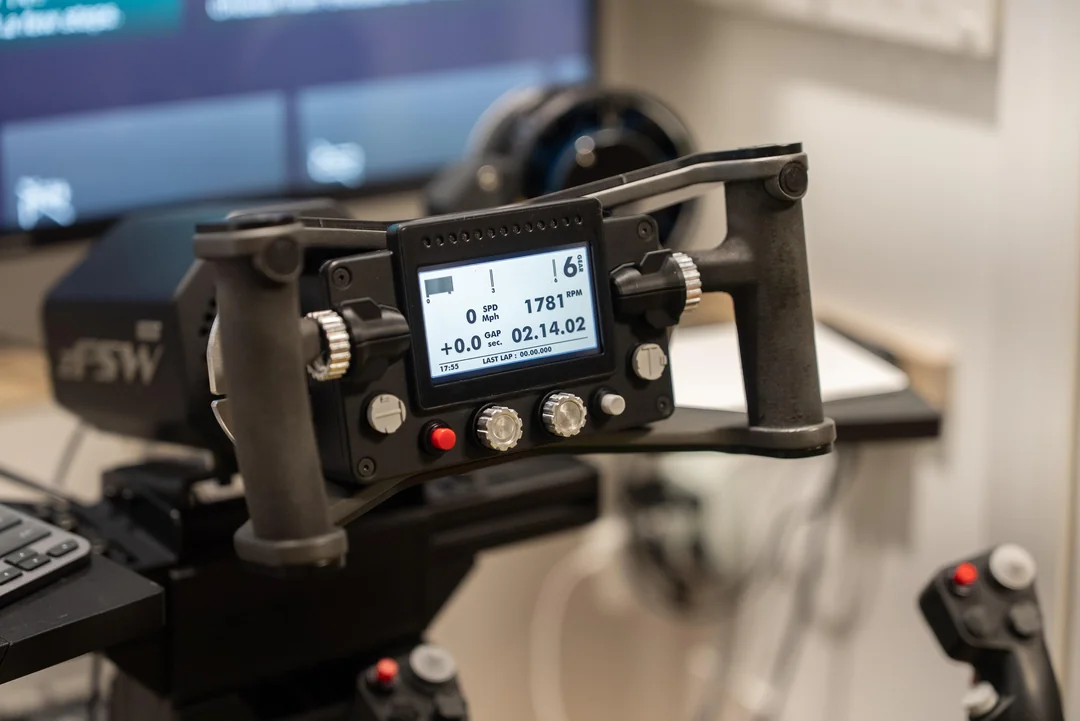
The steering wheel itself appears to be a completely custom design, machined from solid material with integrated mounting for buttons and encoders. This level of customisation allows for ergonomics tailored exactly to the driver’s preferences – something you simply can’t achieve with commercial wheels.
Combined Sim Racing and Flight Sim Rig
Perhaps most ambitious, the builder integrated this sim racing setup into a combined rig that also accommodates flight simulation hardware. The images show what appears to be a versatile mounting system that allows switching between racing and flight configurations.
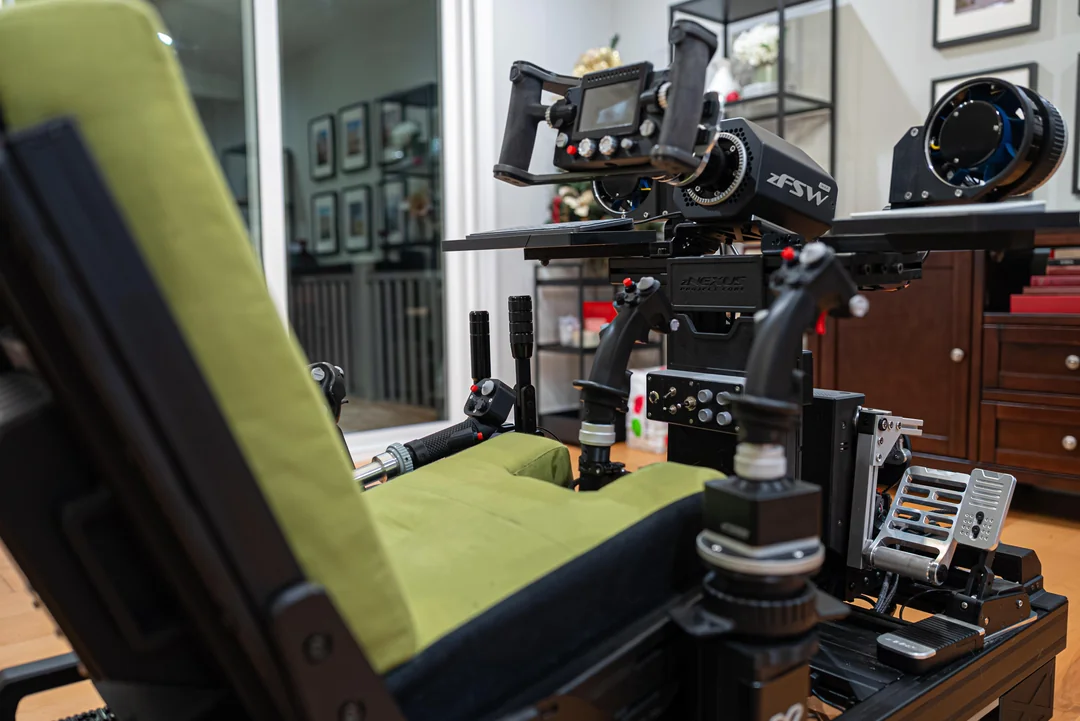
This dual-purpose approach makes practical sense if you’re already machining custom parts – you can design mounting points and structural elements to accommodate both use cases from the start. It’s the kind of flexibility that off-the-shelf rigs struggle to provide without compromises.
DIY Sim Racers
Projects like this highlight an interesting trend in the sim racing community. As CNC machines become more accessible – desktop CNC mills can now be purchased for a few thousand pounds – the barrier to custom hardware manufacturing is dropping. You’re no longer limited to what manufacturers think the market wants; you can design and build exactly what you need.
That said, this isn’t a weekend project. The skills required span mechanical design, CAD software, CNC programming, electronics integration, and troubleshooting. It’s a months-long learning process, and frankly, for most sim racers, commercial hardware remains the sensible choice.
But for those with the interest, equipment, and time? The results speak for themselves. This build demonstrates that production-quality sim racing hardware is achievable in a home workshop with the right tools and determination.

The Maker Community in Sim Racing
What I find encouraging about builds like this is how they push the entire community forward. When someone demonstrates what’s possible with accessible tools like desktop CNC machines, it changes the conversation about what “DIY sim racing” actually means. A lot of brands we know well started in this exact place.
Obviously, most sim racers won’t take this route. But knowing it’s possible – seeing the results – raises expectations for what commercial hardware should deliver and what DIY builders can achieve with determination and the right equipment.
Source: r/simracing – Got a CNC, decided to DIY the entire setup

MicroProse and Geoff Crammond Reunite to Revive Grand Prix Simulation Series
MAIRA for iRacing: Marvin’s Awesome iRacing App Transforms Force Feedback

Sim Racer Builds Setup on CNC Machine: Wheelbase, Pedals, Shifter, and More

Max Verstappen Uses Assetto Corsa for F1 Race Preparation

MOZA Black Friday 2025: 29% Off Direct Drive Wheels & Bundles