

I’m a sim racer and amateur racer with a passion for Motorsport, good racecraft and the technical and setup aspect of sim racing.
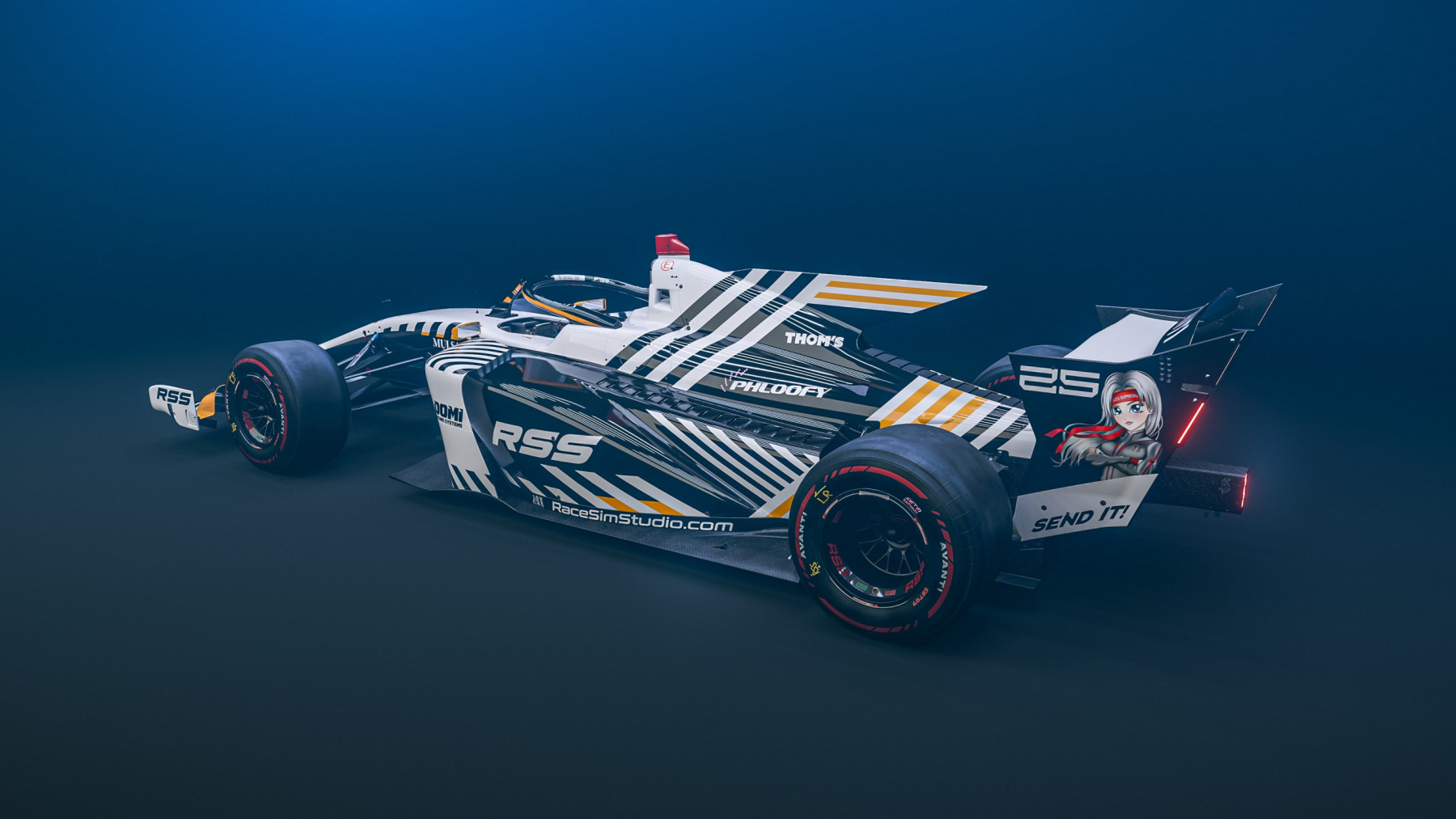
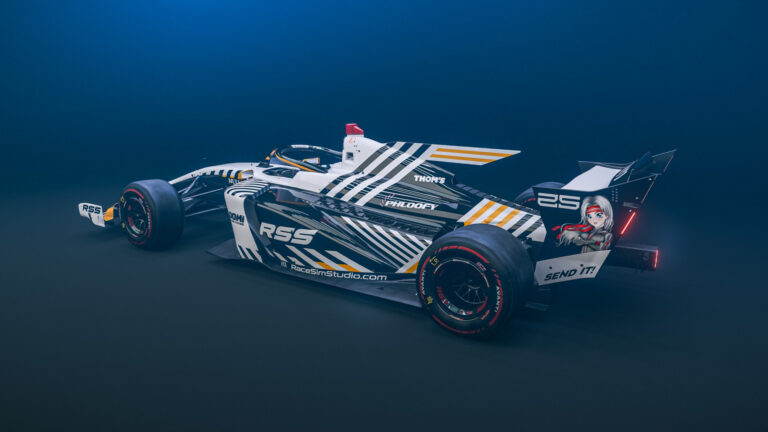
Featured Image: Formula RSS Supreme 2025 (link)
Max Verstappen explicitly prefers Assetto Corsa over Assetto Corsa Competizione for professional F1 race preparation. In a recent interview, he stated he doesn’t like ACC but considers AC “one of the best simulations to practice F1 or GT mods”.
Who knew? Well Clearly Max Verstappen and Gabriel Bortoletto, who prepare for an F1 race with Assetto Corsa, Content Manager, an RSS Mod, Pure Weather and Custom Shaders.
We all know Max has big iRating. The guy brings a motorhome-mounted simulator to European F1 calendar events, completing full race simulations between qualifying and race day (for frick’s sake). Between F1 weekends, he competes in iRacing’s 24-hour endurance races, training for 2-3 weeks beforehand with real engineers managing virtual car setup. Mex Verstappen has his own theme tune, he is clearly a machine.
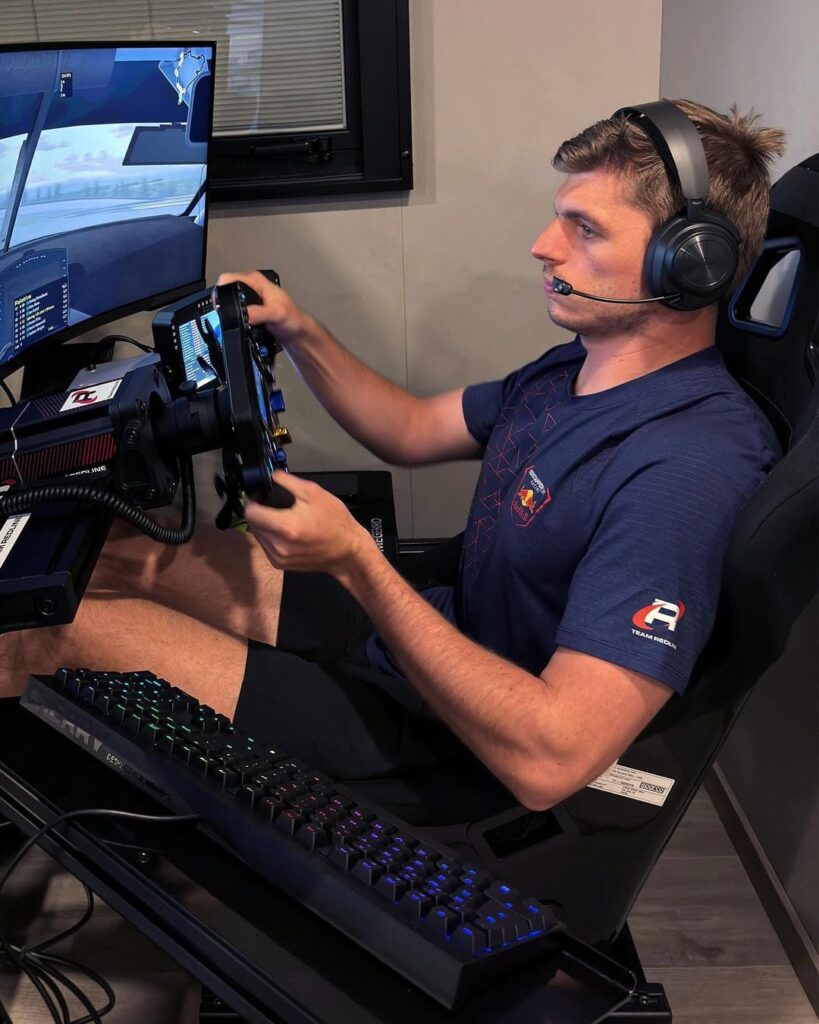
Clearly both he and his close friend Gabriel Bortolletto have concluded the physics and force feedback in AC provide what ACC cannot – realistic weight transfer sensation and tire behaviour that translates directly to muscle memory for real F1 driving. This matters more than graphics or modern game engine features.
The Physics Advantage: Why AC Beats ACC for F1 Simulation
And yes, this is a topic of discussion – plenty of Reddit Commntators will scream blind that Assetto Corsa physics are not as great as other might have you believe.
AC runs on a proprietary engine developed by Kunos Simulazioni, designed specifically for flexibility and moddability. ACC uses Unreal Engine 4, which Kunos chose for GT racing simulation. That decision created fundamental physics differences, and here we are.
The force feedback implementation is where this matters most for professional drivers. I’ve tested both AC and ACC with my Simucube 2 Pro, and AC’s FFB emphasizes weight transfer far more prominently – what some describe as a “slightly exaggerated feeling” compared to ACC. This isn’t a flaw. It’s a deliberate compensation for the lack of g-forces felt in a simulator rig. I really like it – exspecially as an educational tool.
Real drivers need to feel the car’s balance and grip through the wheel, since they’re not weighed down by cornering loads. Setup changes really do correlate into the real world. I learned setup fundamentals for real racing with practiced setup changes for particular car behviours: oversteer (entry,mid,exit) and understeer (entry,mid,exit). My view is this is easier to learn than in iRacing – which speaks a pretty diffferent physics language.
Gabriel Bortoleto explained in a Motorsport.com interview that AC’s tyre behaviour and physics are superior to ACC. The braking physics in ACC have been criticized for allowing an “on/off” 100% pressure technique that top drivers use but would be suboptimal in real racing. From what I understand of F1 braking technique, this validates what professionals have been saying – AC doesn’t reward this artificial approach.
RSS F1 Mods: The Professional Standard for F1 Simulation
Max uses RSS (Race Sim Studio) F1 mods, specifically their Formula Hybrid series. These aren’t casual mods. RSS develops custom 3D models and advanced vehicle physics from the ground up, recording engine sounds directly from top-level F1 cars. Their Formula Hybrid Alpine 2025 mod, developed with Alpine Sim Racing, comes with a 21-page manual detailing car systems.

The technical implementation is what makes RSS mods professional-grade. They simulate customizable Energy Recovery System maps (no deploy, build, low, medium, high, attack), engine maps, and differential settings. The advanced brake migration feature dynamically shifts brake balance during braking based on pedal pressure and aerodynamic load – exactly how real F1 cars behave.
RSS doesn’t have access to classified F1 team telemetry data, which teams guard carefully. Instead, they achieve accuracy through feedback from real-world drivers and engineers. Real F1 cars generate 1.5 terabytes of telemetry per race weekend from over 300 sensors. RSS aims to simulate these complex behaviours and system interactions through educated development and driver experiences rather than raw data copying.
Max has praised RSS mods as “the most realistic cars out there” for practice, preferring them over some newer dedicated racing simulators. The critical advantage is that “modified mods” allow extensive adjustments within the game files or by requesting changes directly from RSS creators. This ability to “keep playing around with stuff” lets drivers achieve extremely high fidelity to real-world scenarios. Max notes RSS cars are realistic in “pretty much all respects” with only minor historical caveats regarding differential behaviour in older versions.
Content Manager: The Essential Infrastructure
Running RSS F1 mods like Max does requires Content Manager. This isn’t just a launcher – it transforms AC from a basic game into a feature-rich professional simulation tool. Content Manager collates all AC content into one interface and makes mod installation straightforward with drag-and-drop functionality for RSS F1 mods.
For professional F1 preparation, Content Manager provides crucial features. The real-world conditions feature can match actual F1 weekend weather data. Performance optimization tools ensure consistent frame rates. The benchmark testing built-in allows drivers to verify their setup performs reliably lap after lap.
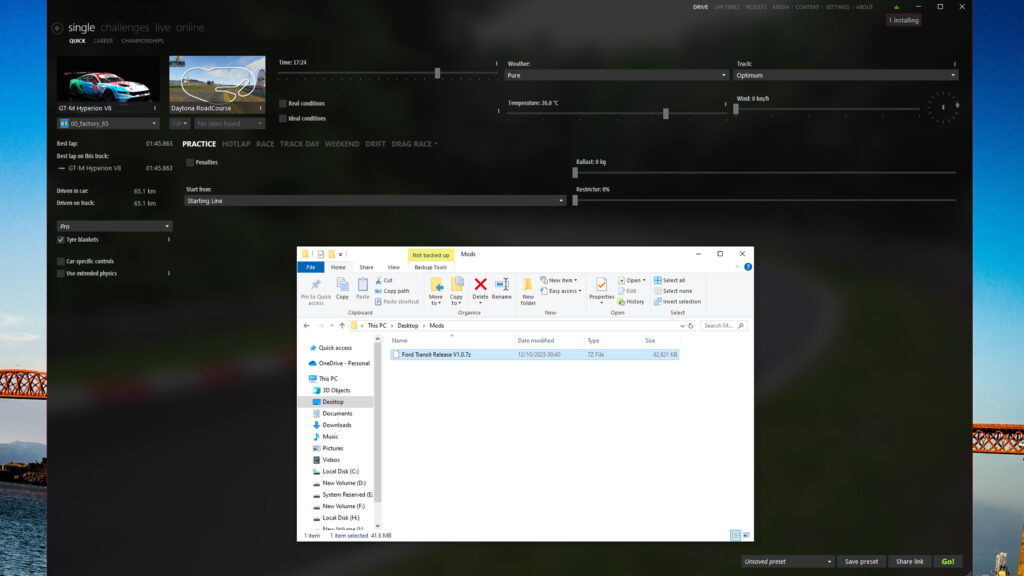
Content Manager also enables access to Custom Shaders Patch, which unlocks advanced graphics features and effects. Whilst Max likely prioritizes physics over visual fidelity, CSP enables AC to compete visually with modern simulators like Le Mans Ultimate and iRacing. This complete package – physics accuracy, mod flexibility, and professional tools – is why AC remains the choice for F1 race preparation.
If you want to run a similar setup, our Content Manager installation guide covers the complete process from download through Custom Shaders Patch configuration. It’s the gateway to professional-grade AC simulation.
The Science Bit: Force Feedback as a Training Tool
Force feedback isn’t about making simulation more fun. It’s an actual training tool rooted in neuroscience and biomechanics. Muscle memory – more accurately termed motor learning – involves encoding repetitive movements into neuromuscular coordination. FFB engages the proprioceptive system, which is the body’s ability to sense position, movement, and effort.
This is critical for fine-tuning muscle contractions. FFB provides continuous updates on forces acting on the steering wheel, simulating the physical sensations a driver would feel in a real car. This haptic feedback helps the brain adjust and optimize movements. Studies show that proprioceptive training augments motor learning, particularly when the subject passively experiences the desired movement.
High-quality FFB hardware, especially direct-drive systems, ensures consistent and reliable feedback. Professional drivers don’t use high-torque direct-drive wheelbases for maximum force – they use them for high fidelity and rapid slew rate, which is how quickly the motor can deliver FFB signals. This allows clearest possible detail without clipping.
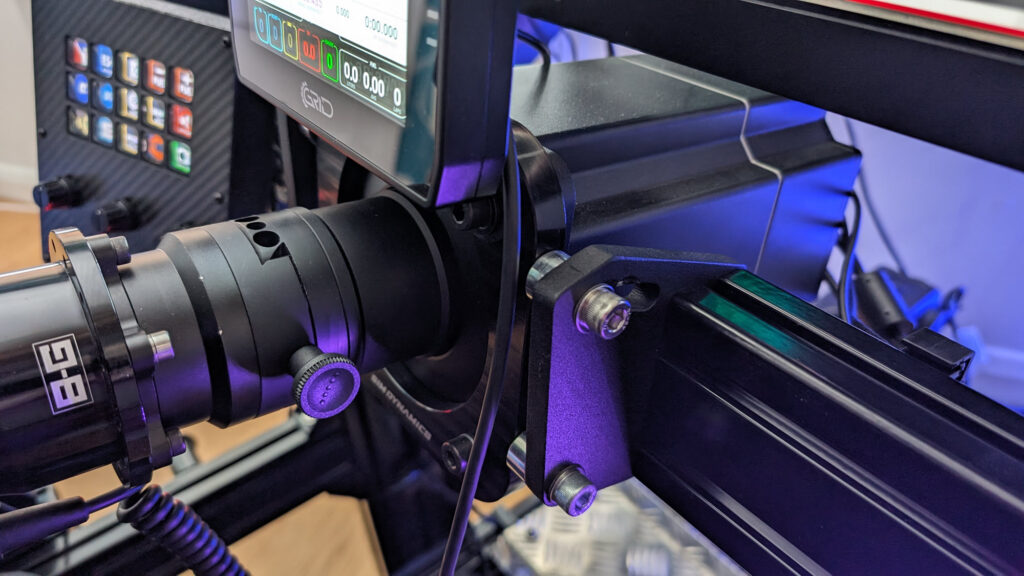
The difference between AC and ACC in FFB communication matters for this reason. AC’s emphasis on weight transfer feeling provides the tactile information professionals need to develop proper reflexes. When the FFB becomes lighter or “fades away” at the grip limit, drivers learn to detect subtle tire slip – crucial for limit driving and maximizing grip. ACC’s more “realistic” approach of only transmitting torque forces through the steering column actually provides less useful information for developing muscle memory that transfers to real racing.
The Modding Ecosystem Advantage
The sim racing community on r/simracing consistently confirms what Max has said – real drivers prefer AC’s physics despite ACC’s more advanced tire model and modern graphics engine. What I’ve read on the subreddit shows one drift simulation expert stated AC’s physics are “near 1 to 1 IRL”. This assessment comes from professionals who can actually compare simulation to real driving. The consensus amongst serious sim racers is spot on – ACC’s physics approach certain technical aspects differently, but AC’s overall feel remains closer to reality for most drivers.
For sim racers interested in exploring the full AC mod ecosystem Max relies on, our comprehensive Assetto Corsa mods guide covers everything from RSS F1 cars to graphics enhancements and track mods.
What This Means for Sim Racers
I think just draw whatever conclusion you like. I learned in AC – and would always learn a new track before spending a race weekend there. I’ve been racing much less this last year, I’m sad to say, but if I needed to go to Anglesey tomorrow I’d get my track mod loaded and get my eye in.
We should look after AC for what it is, the best costimisable sim with a big support community that consumers can really use.
DIY Sim Racer Builds Pokornyi GTE Pro V3 Wheel

MicroProse and Geoff Crammond Reunite to Revive Grand Prix Simulation Series
MAIRA for iRacing: Marvin’s Awesome iRacing App Transforms Force Feedback

Sim Racer Builds Setup on CNC Machine: Wheelbase, Pedals, Shifter, and More
Max Verstappen Uses Assetto Corsa for F1 Race Preparation

MOZA Black Friday 2025: 29% Off Direct Drive Wheels & Bundles
Topic: Best Assetto Corsa Mods