
I’m a sim racer and amateur racer with a passion for Motorsport, good racecraft and the technical and setup aspect of sim racing.
Simagic’s Alpha EVO range arrived late 2024 with three variants (9Nm Sport, 12Nm Normal, and 18Nm Pro), which immediately sparked debate across r/simracing about which version delivers the best value. I’ve spent considerable time analysing reviews from trusted testers like Daniel Newman and Lawrence from SimRacing Garage, plus digging into the technical specifications that manufacturers often gloss over in marketing materials. What emerged isn’t a simple “buy the most torque” answer.
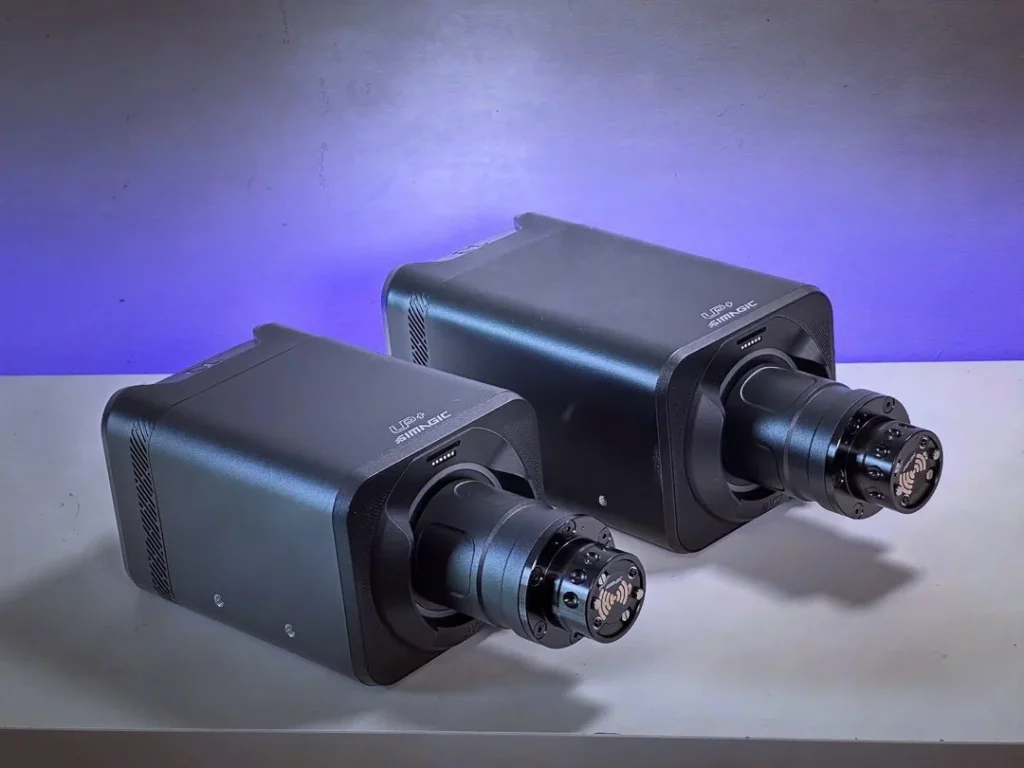
The Alpha EVO represents Simagic’s third-generation direct drive platform, built around a completely redesigned low-inertia motor that the company developed from scratch over 1.5-2 years. This isn’t an incremental update. It’s a fundamental rethink of how force feedback signals should be delivered at the £400-£700 price point. Whether that philosophy aligns with your expectations depends heavily on your wheel choice, your driving preferences, and frankly, how much you trust manufacturers to make decisions on your behalf.
Three Versions, One Philosophy
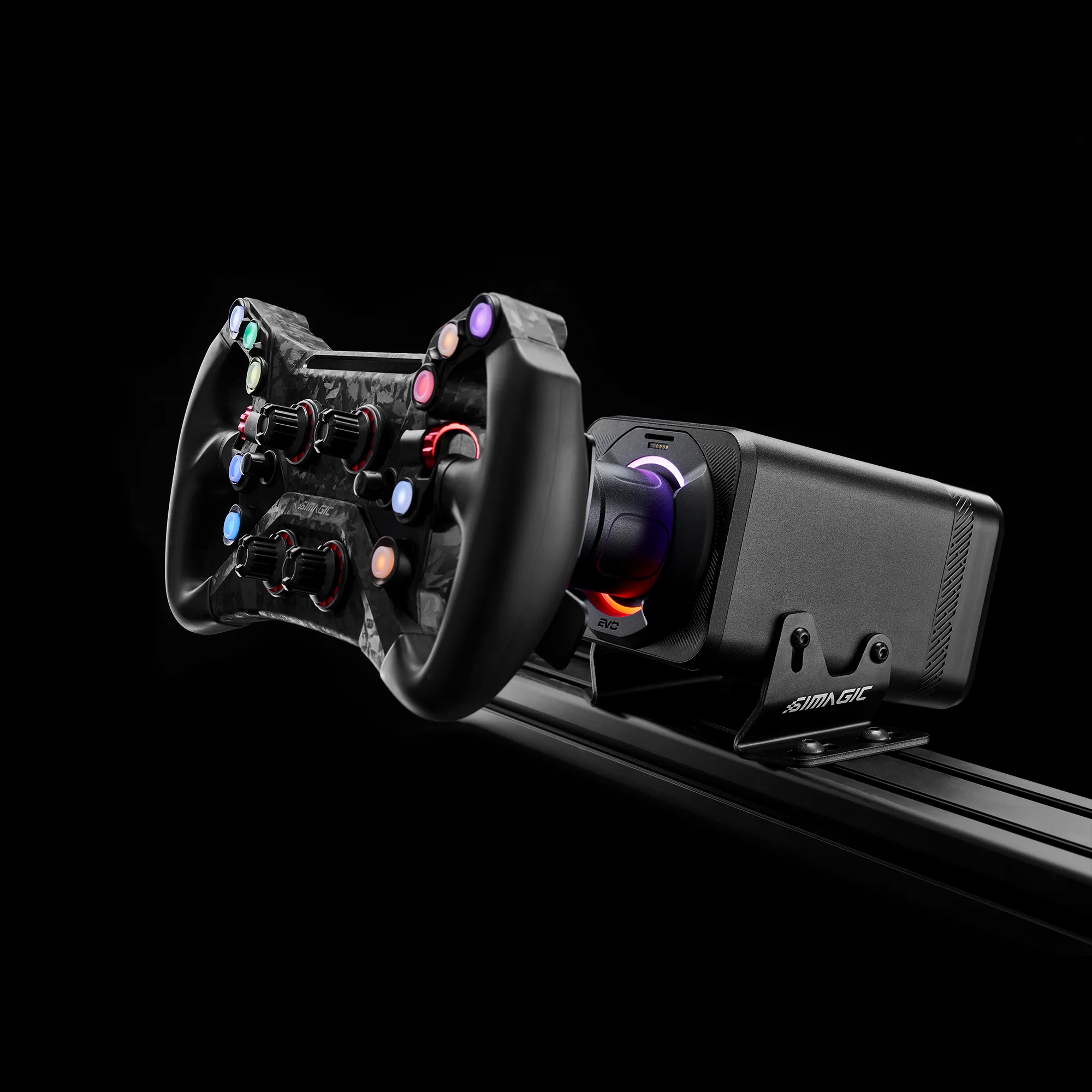
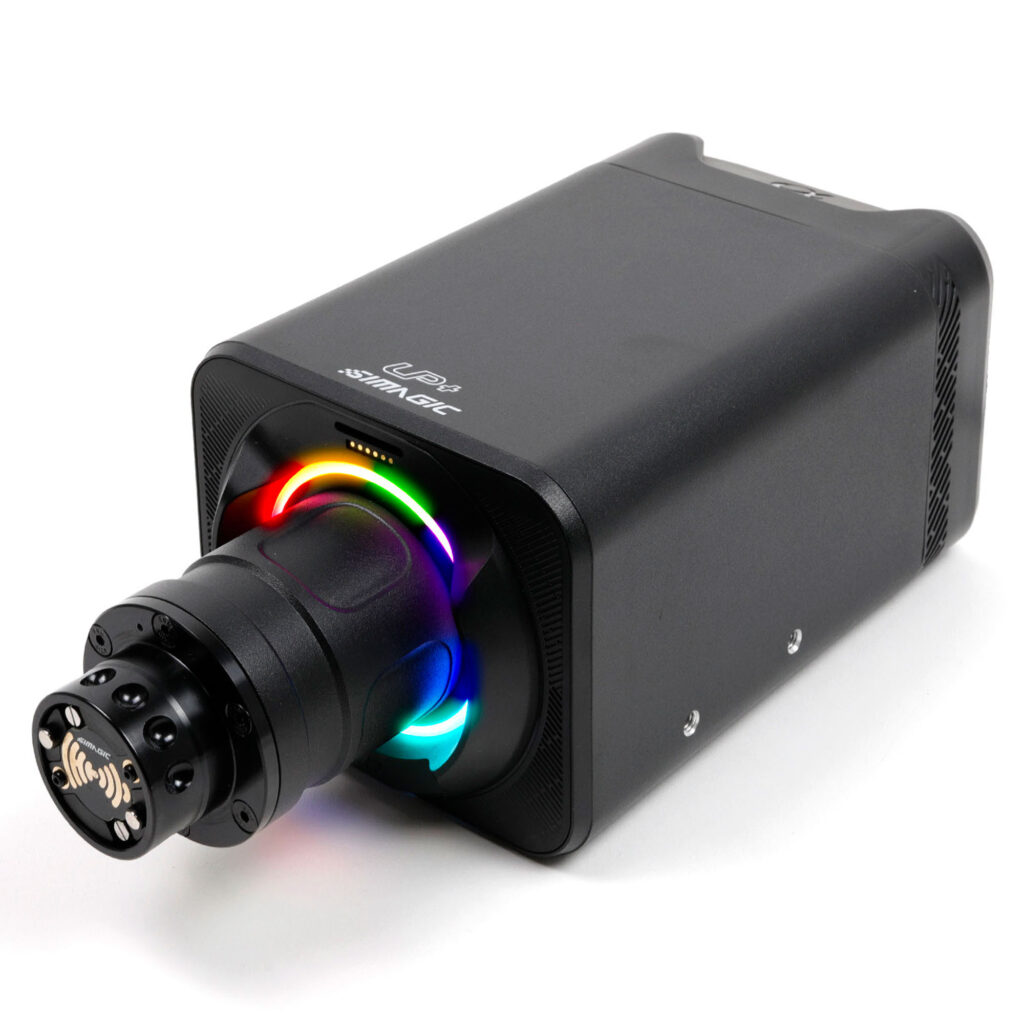
Simagic launched the Alpha EVO with three power levels, each targeting different segments of the sim racing market. The Sport (9Nm) comes in at $399/€479 with a 250W power supply and measured output reaching 10.92Nm, already exceeding its rating by 20%. The Normal (12Nm) sits at $549/€659 with an unspecified power supply somewhere between the Sport and Pro variants. The Pro (18Nm) tops the range at $699/€839 with a 400W supply and measured torque hitting 21.42Nm, significantly above its advertised specification.
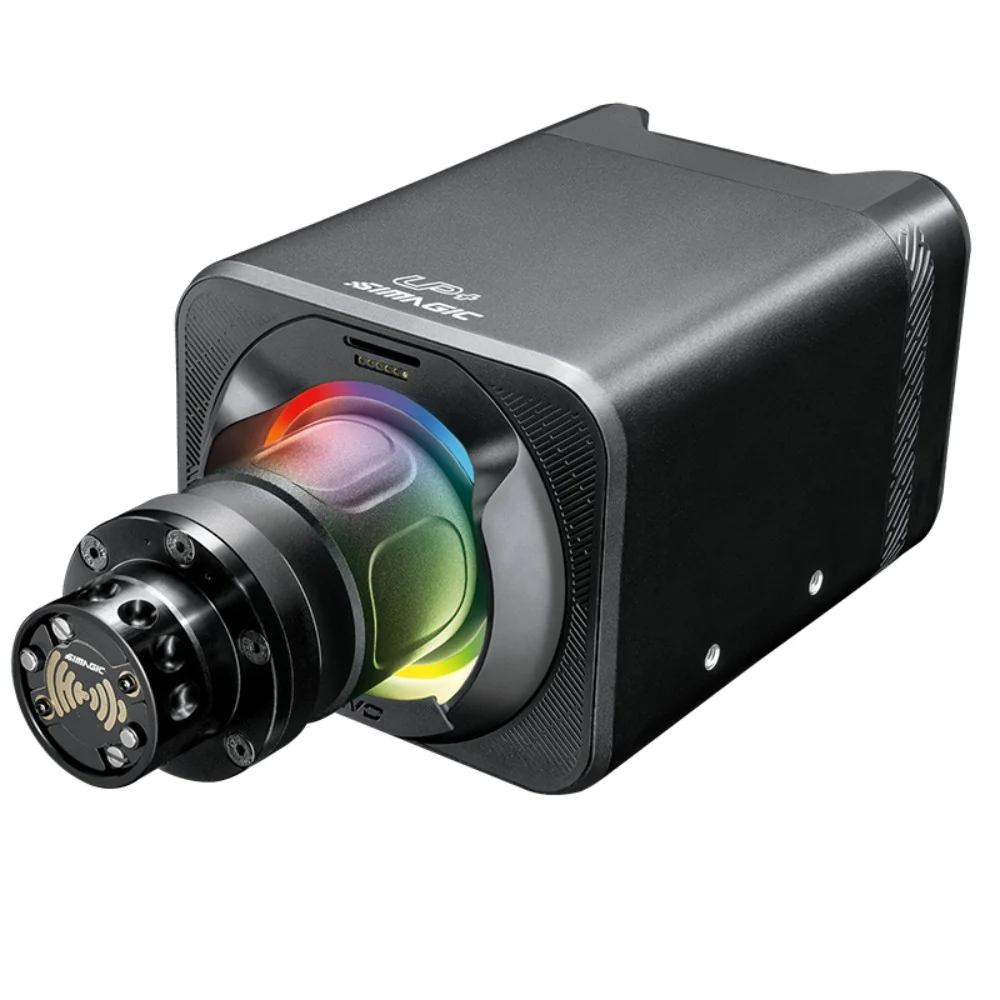
All three share the same fundamental motor design and low-inertia philosophy. The Sport and Normal use identical physical housings weighing 6.23kg, whilst the Pro extends the chassis slightly to accommodate the beefier internals, resulting in an 8.6kg total weight. What you’re buying isn’t three different bases. It’s the same engineering scaled across three power outputs.
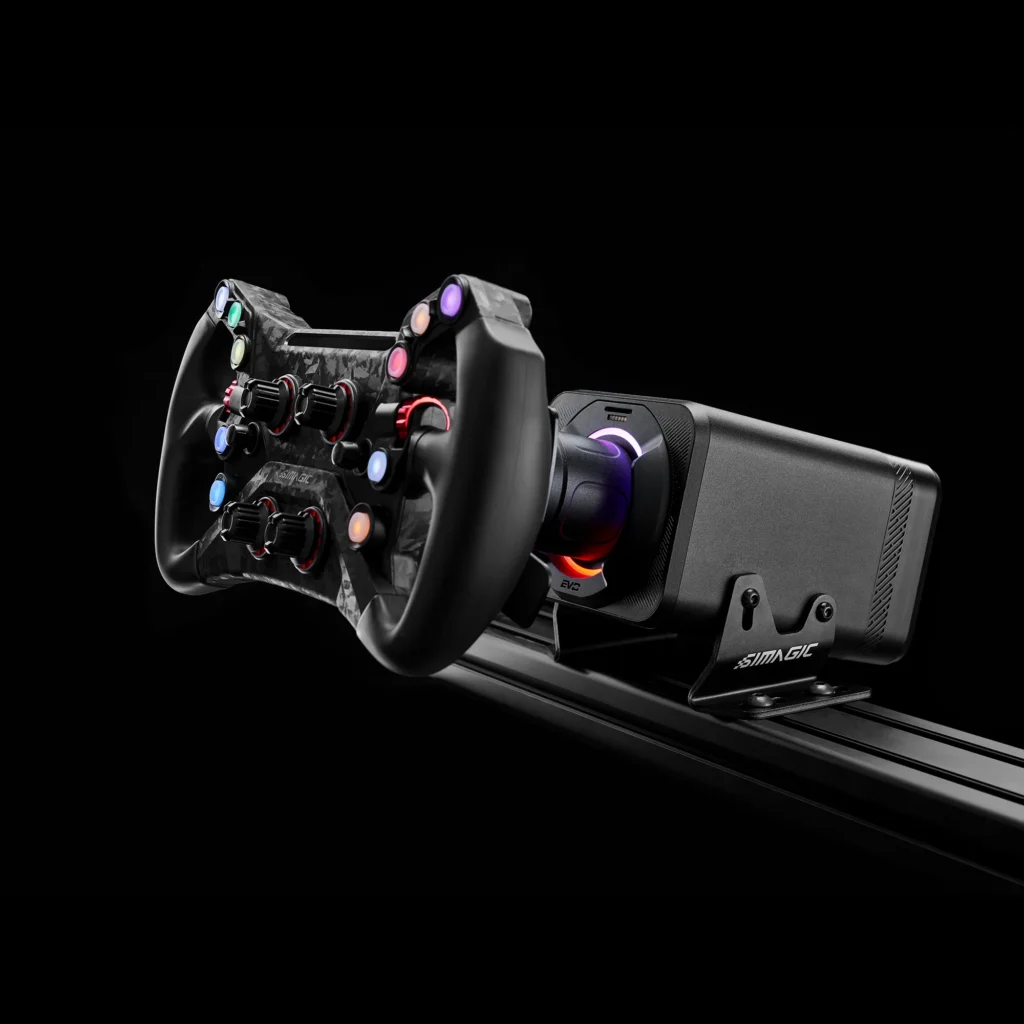
Here’s where Simagic made a controversial choice: you cannot upgrade between versions after purchase. There’s no firmware unlock, no internal module swap, no path from Sport to Normal or Normal to Pro. You choose your torque level when buying the base, and that decision is permanent. This stands in contrast to some competitors who offer upgrade paths, though whether those paths represent genuine value or clever upselling varies wildly.
Zero “Cogging” and Low Inertia: The Physics Behind the Feel
Simagic’s marketing emphasizes “zero cogging” and “ultra-low inertia” without explaining why these characteristics matter or what tradeoffs they create. The engineering is actually quite clever, but it comes with consequences that catch people off guard.
Cogging refers to the slight resistance you feel when rotating a powered-off direct drive motor. It’s caused by magnetic attraction between the rotor and stator creating discrete “steps” rather than smooth rotation. Most modern direct drives have minimal cogging when powered on, but Simagic’s custom motor design eliminates it even when off. Turn the wheel unpowered and it spins with almost no resistance. Genuinely impressive from a mechanical engineering standpoint.
Low inertia matters more. Here’s the physics: torque equals inertia multiplied by angular acceleration (T = I × α). To achieve fast angular acceleration (which translates to responsive force feedback), you can either increase torque delivery (higher slew rate, requiring massive current peaks) or decrease inertia (lighter rotor mass). Simagic chose the latter, designing a motor with minimal rotating mass that can change direction almost instantaneously.
The benefit is obvious: force feedback signals arrive faster, with less overshoot and fewer oscillations when you let go of the wheel. The downside is less obvious. A low-inertia motor becomes extremely sensitive to the wheel weight you bolt onto it. Daniel Newman tested this extensively with two wheels: a lightweight 1.5kg VRS formula wheel and a heavier 2.5kg GT rim. Same base, dramatically different feel. The formula wheel felt brilliant. The GT wheel felt like “the tail wagging the dog,” with the wheel’s own momentum fighting the motor’s attempts to control it.
What I’ve read across multiple forums suggests this isn’t universally understood. People buy the 18Nm Pro thinking more torque automatically means better control of heavy wheels. It doesn’t. Motor inertia characteristics matter as much as peak torque when you’re swinging 2.0kg+ of metal around at speed. The VRS DirectForce Pro, despite only offering 15Nm, reportedly handles heavy wheels better because its motor design trades some ultra-low inertia for better torque delivery under load.
For lightweight formula wheels in the 1.0-1.5kg range, the Alpha EVO’s low-inertia design sings. For GT wheels above 2.0kg, you’re working against physics rather than with it. The base still functions. It just doesn’t deliver the same tight, immediate feel that makes direct drive worth the investment.
Built-In Damping: The Transparency Problem
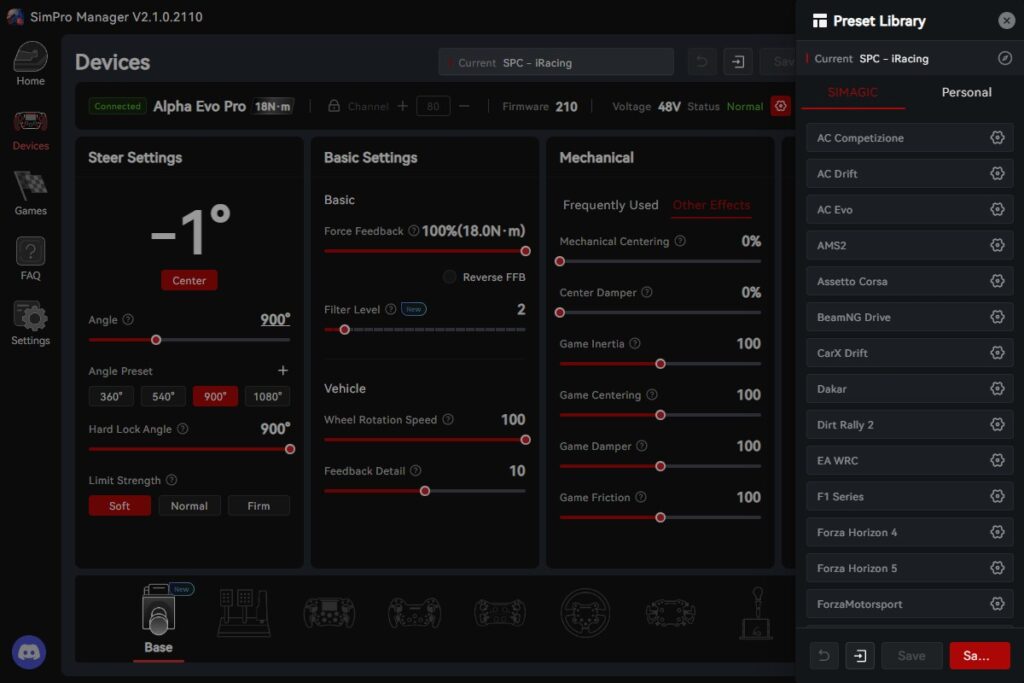
Simagic added built-in force feedback damping to firmware V219 after user feedback complained that raw FFB signals felt “too rough.” This filtering smooths out high-frequency noise and harsh transitions, making the experience more pleasant for casual users. The problem? You cannot fully disable it, even if you prefer completely raw, unfiltered force feedback.
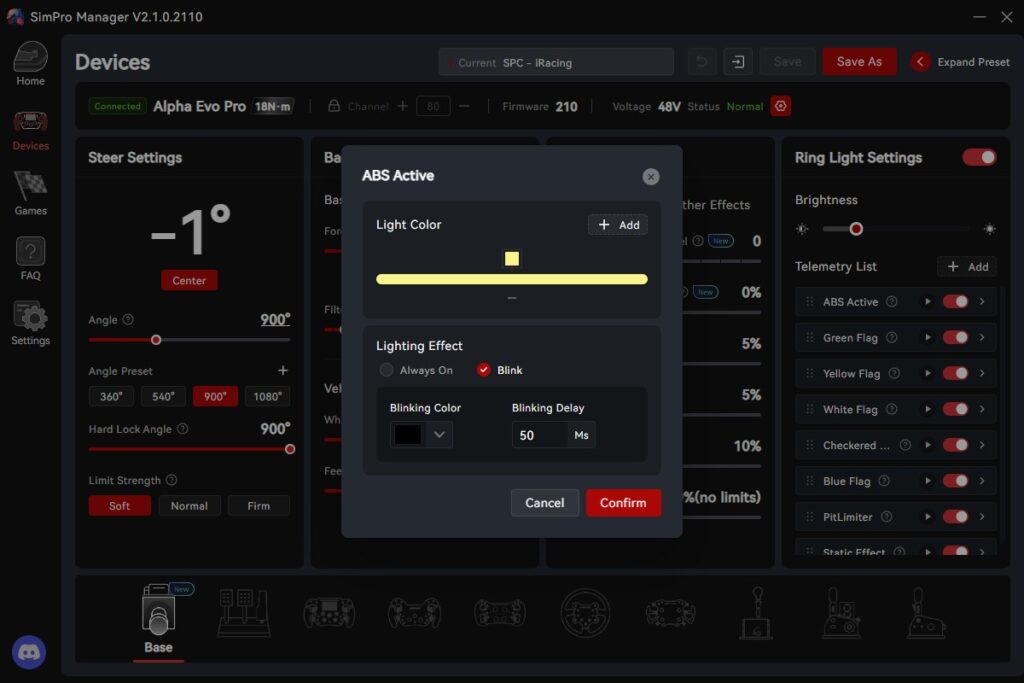
The damping operates at the firmware level, meaning even iRacing’s 360Hz mode (which Simagic markets as delivering higher-fidelity force feedback) doesn’t bypass this smoothing. You’re getting 360Hz update rates, but they’re still processed through damping filters before reaching your hands. It’s marketing claim versus engineering reality, and the reality is messier than the spec sheet suggests.
Personally, I’m firmly in the “let me choose” camp. I’d rather have raw FFB with the option to add software filtering than baked-in smoothing I cannot remove. But I understand the appeal for newcomers upgrading from belt-driven systems who find raw direct drive overwhelming. If you currently run smoothing or damping on your existing wheel, you’ll likely appreciate Simagic’s approach. If you’re a VRS or Simucube user who runs zero filtering, this will frustrate you.
12Nm vs 18Nm: The Sweet Spot Paradox
Most reviewers and community members consider the 12Nm Normal the better value than the 18Nm Pro. Not just cheaper, but more practical for 90% of users. This contradicts the natural assumption that more torque equals better performance.
The 12Nm Normal costs £549/$549 and weighs 6.23kg. It delivers enough torque for GT3 and touring cars, with sufficient headroom for aggressive kerb strikes and wheel lock-ups. The 18Nm Pro costs £699/$699 and weighs 8.6kg, designed specifically for high-downforce open-wheelers and prototypes
Related Posts
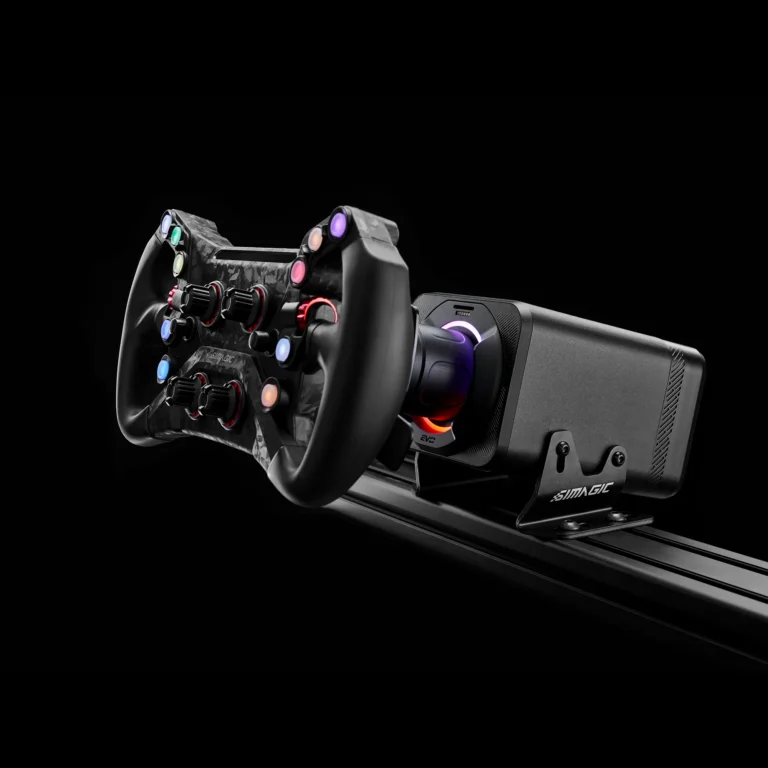
Simagic Alpha EVO Range: Specifications and Buyer’s Guide
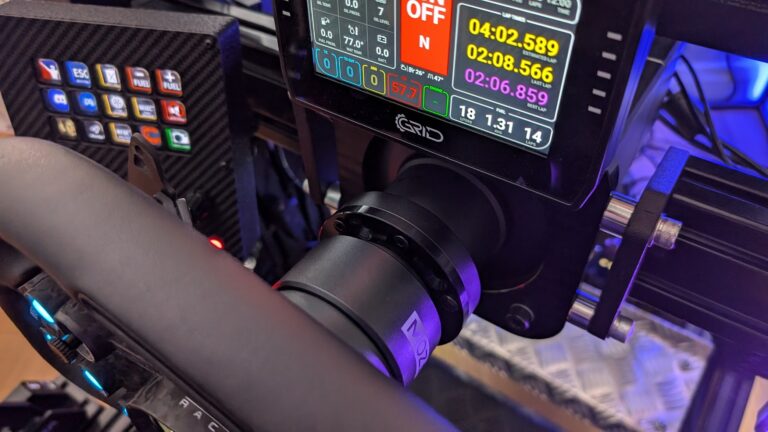
The Best Direct Drive Wheels for Sim Racing
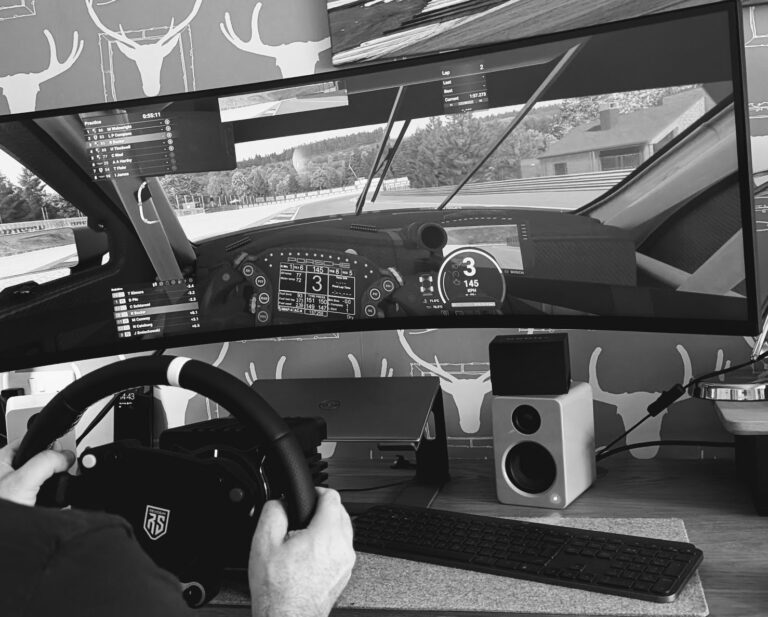
Le Mans Ultimate – Sorting Out the FFB Settings with Revosim
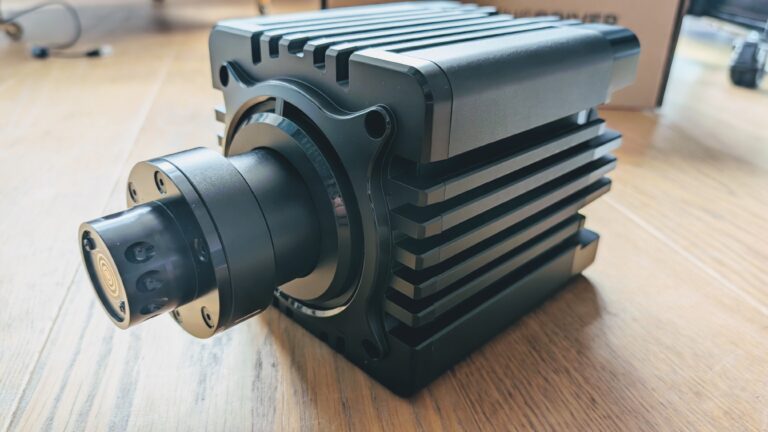
REVOSIM RS Pure 9Nm Bundle: NACON’s Brave Entry in a Crowded Market
Moza R12 Review: Why Marketing Numbers Don’t Tell the Whole Story
Moza’s R12 Review – Enough Torque for a Long Term Relationship
Topic: Direct Drive Wheels