
I’m a sim racer and amateur racer with a passion for Motorsport, good racecraft and the technical and setup aspect of sim racing.
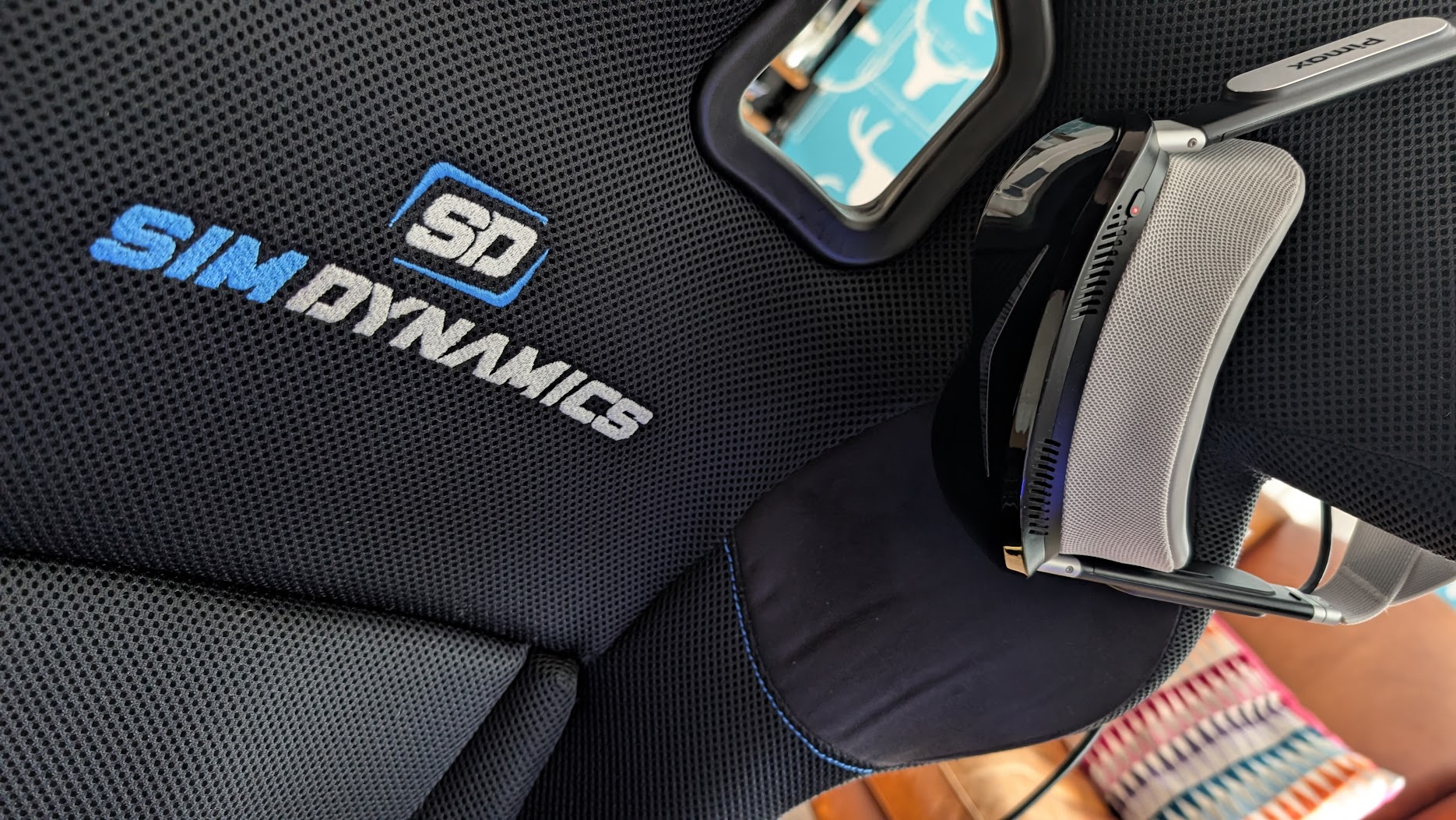
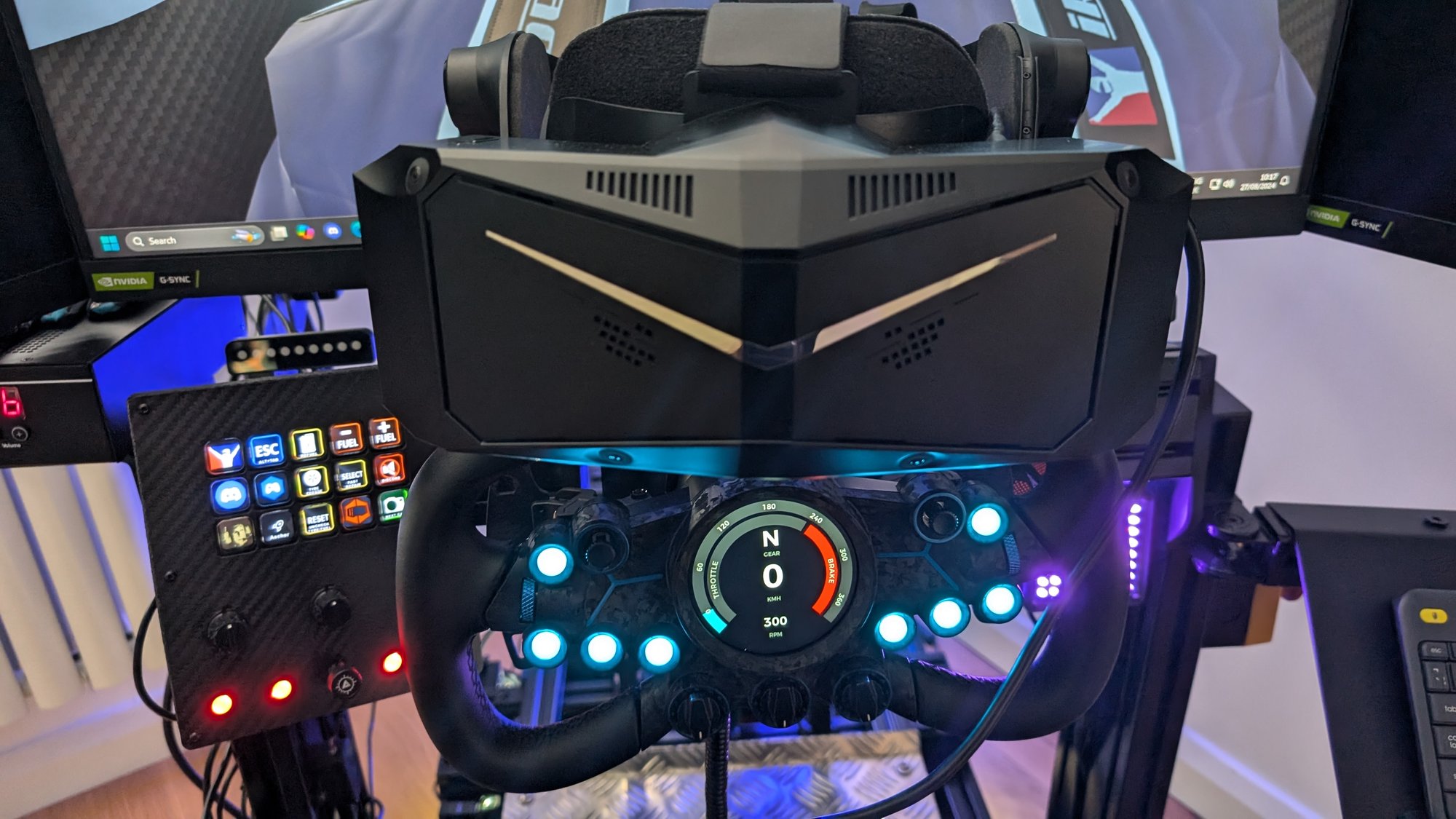
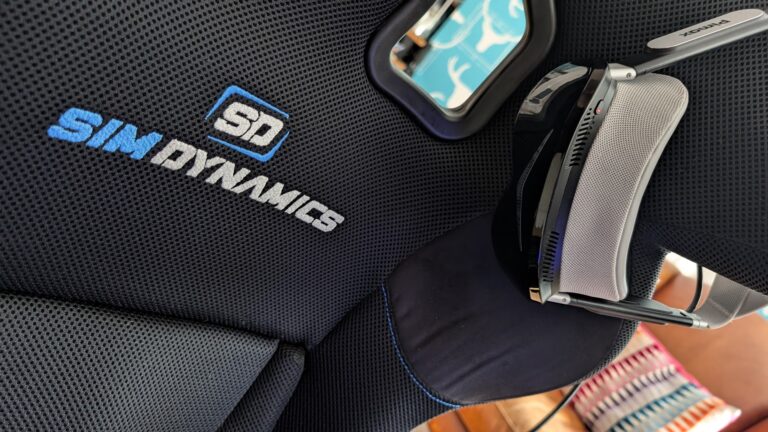
Featured image: the Pimax Dream Air on my sim racing seat.
Pimax’s Black Friday sale is live, and it runs from 16 November to 5 December. This is the first time the Dream Air has been in a public sale.
Shipping is free worldwide on the first delivery of an order, bundles and accessories included, although return shipping isn’t covered. The price of every headset in the sale is in the table below.
Quick Navigation
Jump directly to what you’re looking for:
Which Pimax should you buy for sim racing? |
Dream Air or Dream Air SE? |
Dream Air or Crystal Light? |
Crystal Light or Crystal Super? |
Dream Air SLAM or Lighthouse? |
The iRacing bundle |
Bought a Pimax between 1 and 15 November? |
So, should you buy now?
| Headset | Sale price | Before the sale | Cut |
|---|---|---|---|
| Dream Air SLAM | $2,189 | $2,299 | $110 |
| Dream Air Lighthouse | $1,899 | $1,999 | $100 |
| Dream Air SE SLAM | $1,199 | $1,199 | None – free shipping only |
| Dream Air SE Lighthouse | $899 | $899 | None – free shipping only |
| Crystal Light | $859 | $899 | $40 |
| Crystal Super | $1,439 | $1,599 | $160 |
| Crystal Super 8K Micro-OLED | $1,979 | $2,199 | $220 |
Pimax Black Friday prices on the US store, in US dollars, checked 17 November 2026. The sale ends on 5 December.
Pimax have taken money off five headsets, with $110 off Dream Air SLAM (which tracks from cameras on the headset), $100 off Dream Air Lighthouse (which uses base stations in the room), $40 off the Crystal Light and $220 off the Crystal Super 8K Micro-OLED. The fifth is the Crystal Super at $1,439. Pimax advertise that as “Save $360” against a crossed-out price of $1,799, although the same store was charging $1,599 on 13 November, which makes it $160 cheaper than that. Shipping is free on the first delivery of every order while the sale is on, and that includes the Dream Air SE, but neither version of it has a price cut. The cuts are on headsets only, so bundles and accessories stay at their regular prices, and Pimax’s stores in other regions have their own prices.
Which Pimax should you buy for sim racing?
On Pimax, I’d go with what we know. The Dream Air SLAM is tried and tested and for lower performance gaming PCs, the Dream Air SE SLAM.
So take your time and evaluate our headset reviews. We’ve got our gaming VR headsets guide and our VR headsets for sim racing guide. I’ve run them all, and I wrote the sim racing guide off the back of it. Between the two you’ll find what’s generally better if you’re moving around in the room, and what to pick for a seated rig. If weight of the unit is an issue for long sessions, the Dream Air is the one to look at. We’ve written about which one to select in both of those guides.
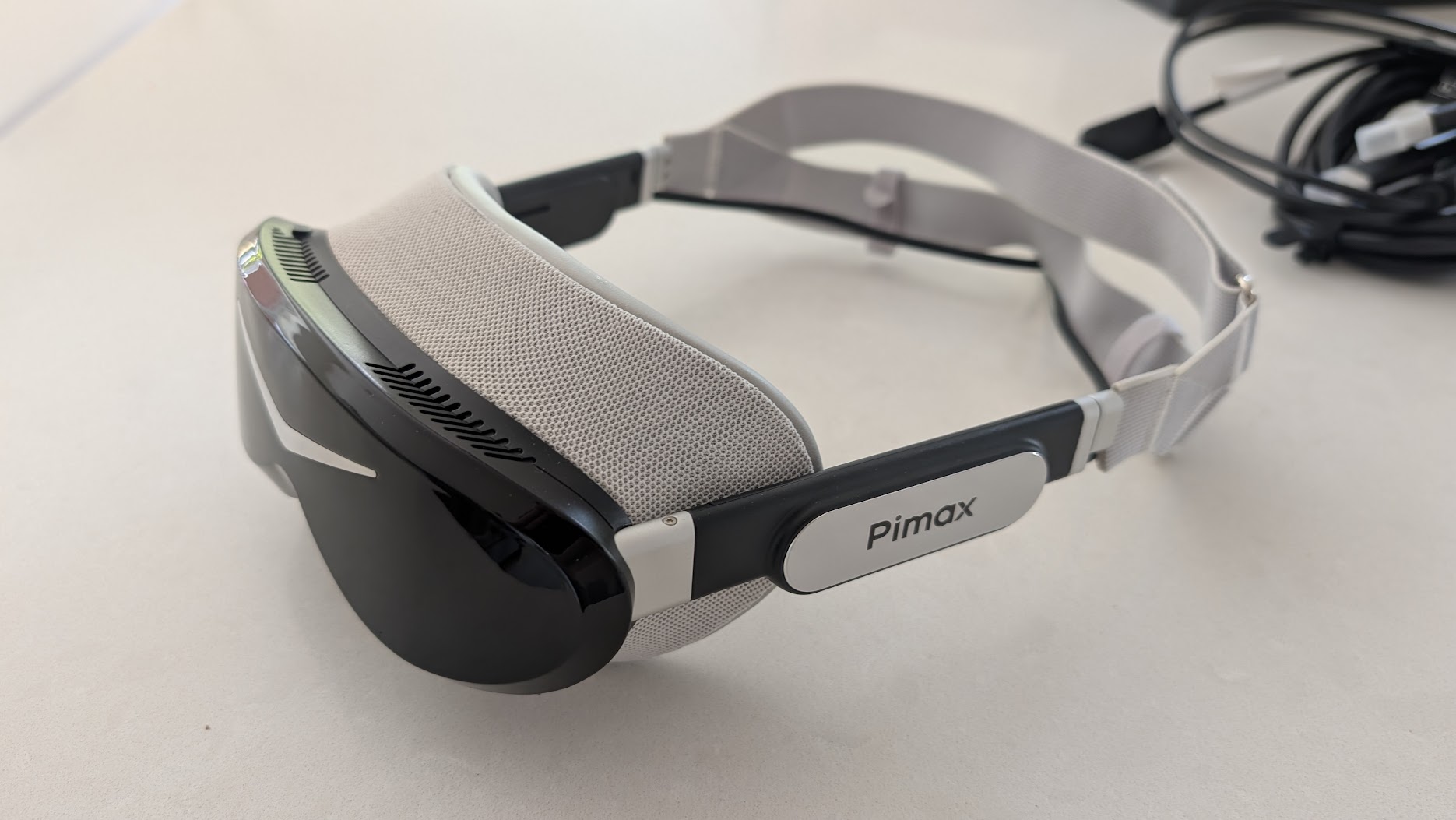
There are really two families in Pimax’s range, where the Dream Air and the Dream Air SE are the light ones with Micro-OLED panels, and the Crystal Light and the Crystal Super are the heavier headsets with QLED panels and Mini-LED local dimming. The Crystal Super 8K Micro-OLED puts a Sony Micro-OLED panel in the Crystal Super.
| Headset | Panel | Resolution per eye | Field of view | Refresh rate | Weight | Tracking | Eye tracking |
|---|---|---|---|---|---|---|---|
| Dream Air | Sony Micro-OLED | 3840 x 3552 | 110° horizontal | 72 / 90 Hz | Under 170 g | SLAM or Lighthouse version | Yes |
| Dream Air SE | Micro-OLED | 2560 x 2560 | 105° horizontal | 72 / 90 Hz | Under 140 g | SLAM or Lighthouse version | Yes |
| Crystal Light | QLED with Mini-LED local dimming | 2880 x 2880 | 110° horizontal | 72 / 90 / 120 Hz | 815 g | Inside-out; Lighthouse faceplate optional | No |
| Crystal Super | QLED with Mini-LED local dimming | 3840 x 3840 | 106° to 140° horizontal, by optical engine | 72 / 90 Hz | No figure from Pimax | Inside-out; Lighthouse faceplate optional | Yes |
| Crystal Super 8K Micro-OLED | Sony Micro-OLED | 3840 x 3552 | 116° horizontal | 72 / 90 Hz | No figure from Pimax | Inside-out; Lighthouse optional | Yes |
Specifications from Pimax’s own product pages, read on 17 November 2026. Weights are for the headset alone.
Pimax Dream Air or Dream Air SE?
They’re two different headsets where the difference is the panel. The Sony panelled Dream Air runs 3840 x 3552 per eye, and the Dream Air SE runs 2560 x 2560 per eye on a Micro-OLED panel that isn’t the Sony one. In the sale the Dream Air SLAM is $2,189 and the Dream Air SE SLAM is $1,199, which isn’t reduced. MRTV found the Dream Air looks considerably better than the Dream Air SE, even with the render resolution lowered, and it’s brighter with less glare in high-contrast scenes and less motion blur.
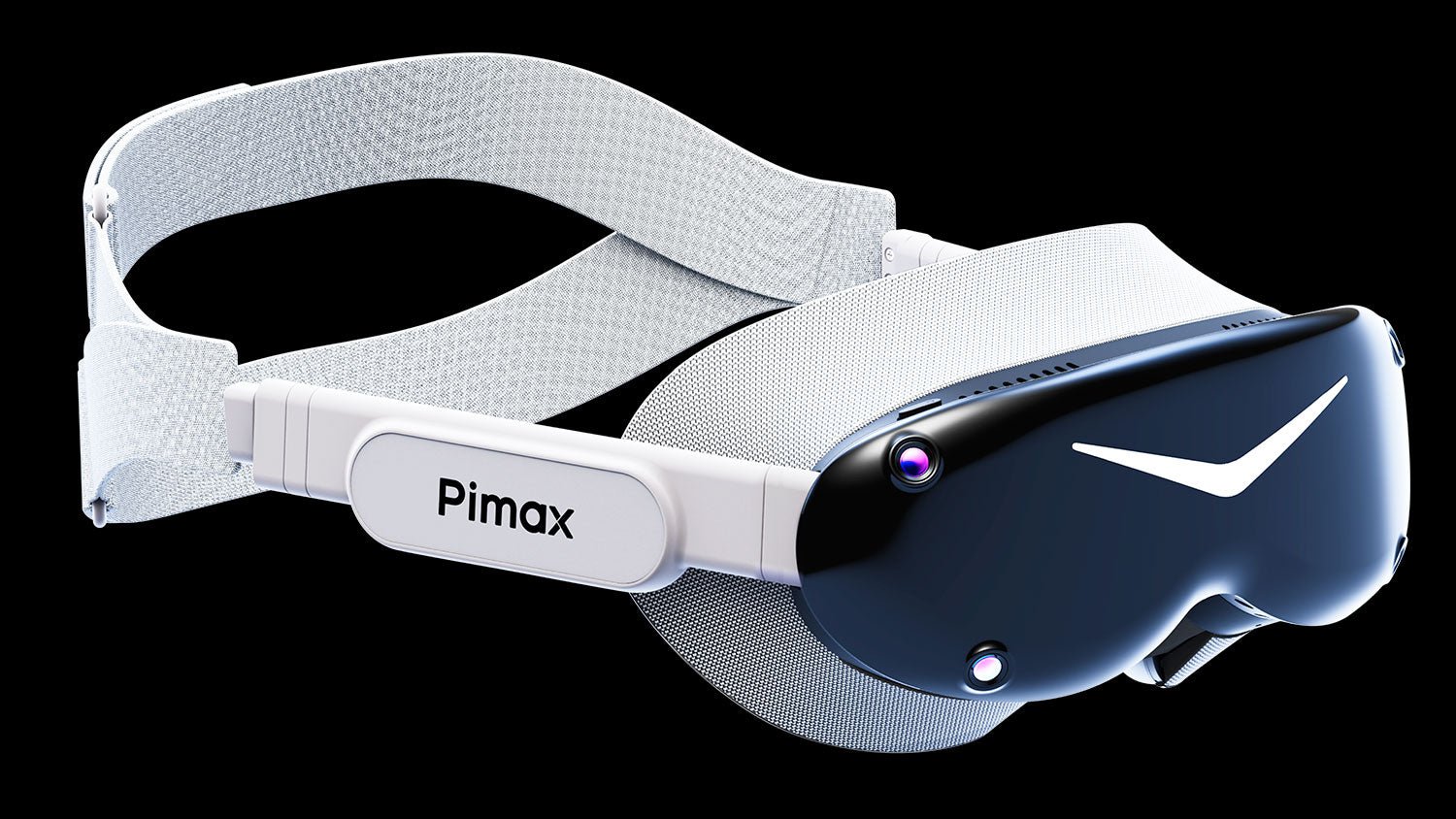
The serious racer who can stretch to the Sony panelled Dream Air should (ideally) get that one. I think the SE SLAM is great because it’s much less power hungry. There’s a trade-off with resolution that if you’re upgrading from something like a Quest 3, you’re – in my opinion – quite unlikely to notice. Our Dream Air vs Dream Air SE comparison goes through the two side by side. The Dream Air range represents two different propositions for two different types of sim racer, and it’s a mistake to read one as a discount version of the other.
Pimax Dream Air or Crystal Light?
I’m currently enjoying my Pimax Dream Air SLAM in iRacing – for me, the OLED screens are stunning and while it’s a bit GPU intensive, it’s a lot lighter and more comfortable than the Crystal series. Wow – it is TINY compared to its siblings. The Dream Air is under 170 g for the headset alone, and the Crystal Light is 815 g. I very much appreciate the slimmer cables the Dream Air uses – they’re a lot less distracting.
The Crystal Light is $859 in the sale, against $2,189 for the Dream Air SLAM (there’s more on that one in our Dream Air review). The Crystal Light runs at up to 120 Hz, but it has no eye tracking, which the Dream Air uses for dynamic foveated rendering. The eye tracker tells the PC where you’re looking, and only that part of the picture is drawn at full detail. At 35 PPD (pixels per degree) VR Flight Sim Guy rates the Crystal Light not far off the Dream Air for clarity, and he finds the returns diminish past that. While I still recommend the Pimax Crystal Light or the Super for flight, the Dream Air doesn’t need so much of the vertical FOV because you’re driving, not looking up and down! I’m used to wearing a helmet, so you can’t see all that much in real life anyway.
Pimax Crystal Light or Crystal Super?
The Crystal Super takes the Crystal Light’s 35 PPD up to 50 or 57 PPD, depending on the optical engine. The Crystal Light is $859, the Crystal Super is $1,439 and the Crystal Super 8K Micro-OLED is $1,979. VR Flight Sim Guy found the 50 PPD Crystal Super sharper than the Crystal Light, but not by a massive amount. He also saw some mura (uneven brightness across the panel) on the Crystal Light and a lot more on the 50 PPD Crystal Super.
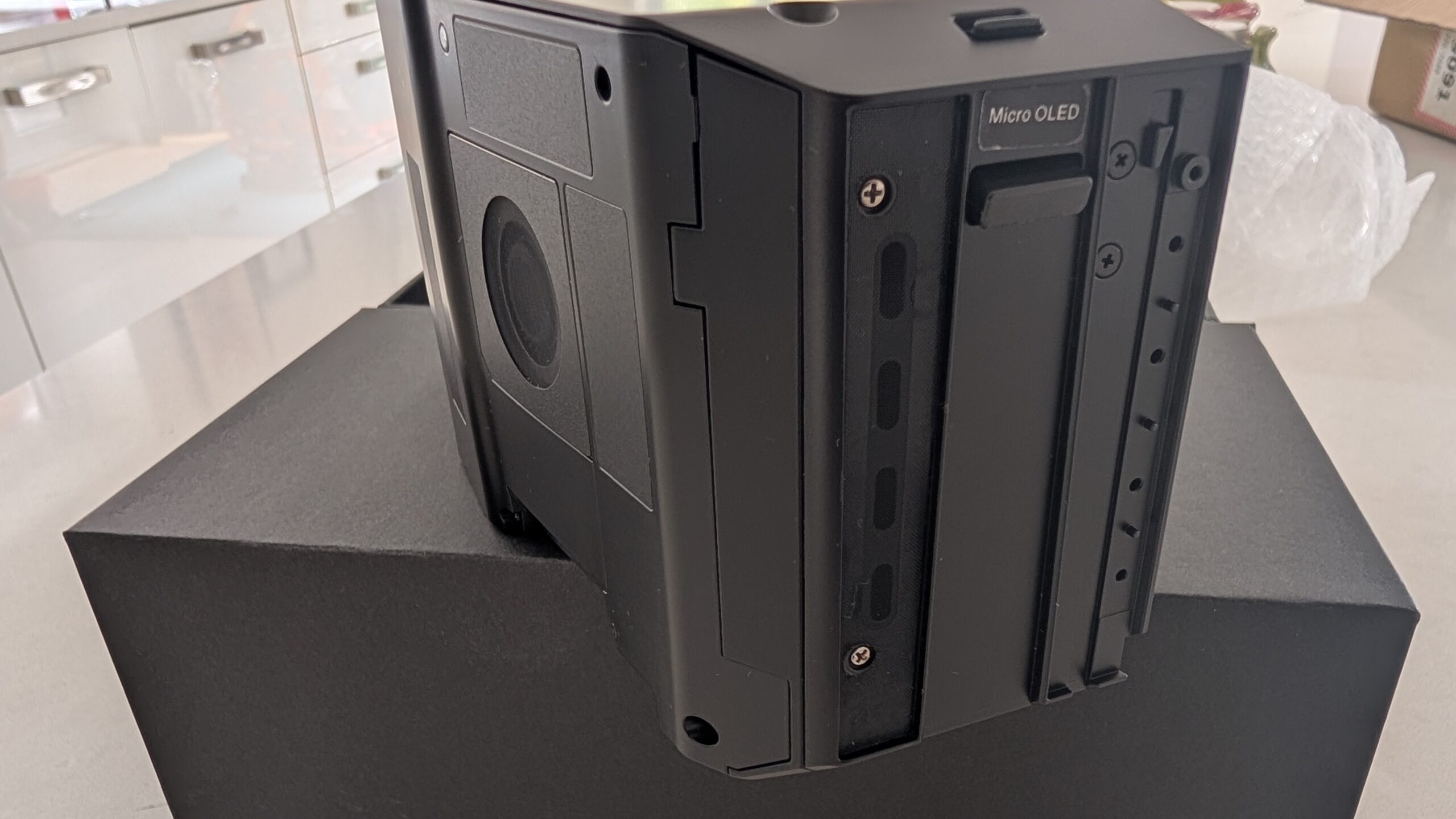
The Crystal Super’s optical engine is swappable, which means the QLED and Micro-OLED engines fit the same headset. The Ultrawide engine has a 140 degree horizontal field of view, and Pimax itself pairs it with racing simulators. VR ManCave says the Crystal Super 8K Micro-OLED wants at least an RTX 4080, and ideally an RTX 5080 or 5090. There’s more on the optical engines in our Crystal Super review.
Dream Air SLAM or Lighthouse?
The Dream Air and the Dream Air SE each come in a SLAM version and a Lighthouse version. SLAM needs no base stations and includes two controllers, and Lighthouse comes without controllers and needs one or two SteamVR base stations. The Lighthouse versions are cheaper, at $1,899 against $2,189 for the Dream Air and $899 against $1,199 for the Dream Air SE, but the base stations aren’t included in that. The Dream Air SLAM is really, really excellent. It occasionally gets tripped up by very reflective surfaces if you’re sat right in front of disabled monitors when they’re switched off, but that’s a minor thing. The SLAM bundle includes controllers a sim racer will never use – but you may be a more all-round gamer in which case that’s no big deal.
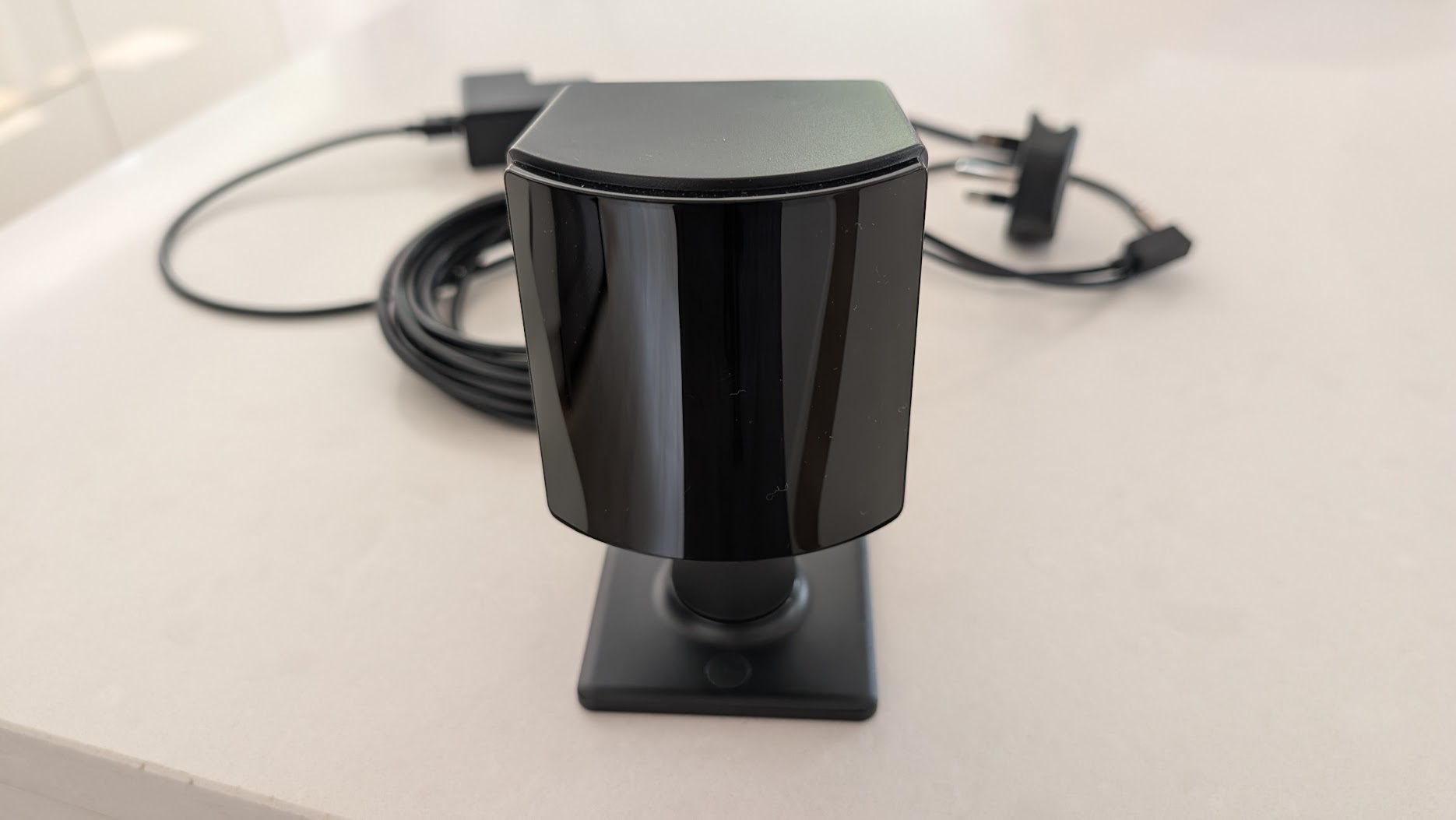
I have 2 base stations, v2’s on my main sim. For my testing setup I use SLAM tracking on my Dream Air SLAM for ease of setup (Pimax have given me their entire product range for testing). It’s a trade off – well configured Lighthouse tracking with the SBoys3 driver works really well after you’ve tweaked the positioning and you have good coverage. It’s just the inconvenience of early config, getting the Lighthouses positioned properly and the extra power cables for each.
Lighthouse is still the better tracking. SLAM tracking is fine for seated use, and the SLAM version is the one to buy unless you already own Lighthouse base stations.
The iRacing bundle
The iRacing bundle is a headset with a 12-month membership for new iRacing members, and it’s built around the Crystal Light and the Crystal Super, which means the Dream Air isn’t part of it. The bundle isn’t in the sale, so it’s $899 with the Crystal Light against $859 for the headset alone, but it still ships free on the first delivery.
Bought a Pimax between 1 and 15 November?
Price protection covered anyone who ordered a headset directly from the official Pimax Store between 1 and 15 November. Pimax compare the price of the same product on the same Pimax store, which means an order from a third-party retailer isn’t covered. If the sale price is lower than the price you paid, Pimax refund the difference to your original payment method, or pay it as store credit if you’d prefer that. It isn’t automatic though, so you make the claim yourself through Pimax’s live chat or a support ticket, and you’ll need your order number and the email address you used for the purchase.
The terms are on Pimax’s Black Friday page, so have a read through those before you put a claim in.
So, should you buy now?
The sale is open from 16 November to 5 December, which means there’s no night to stay up for. It’s the first public sale the Dream Air has been in. That’s the Sony panelled Dream Air, the full one, not the SE, which stays at its regular price. A new headset bought from Pimax.com also comes with a 14-day return guarantee.
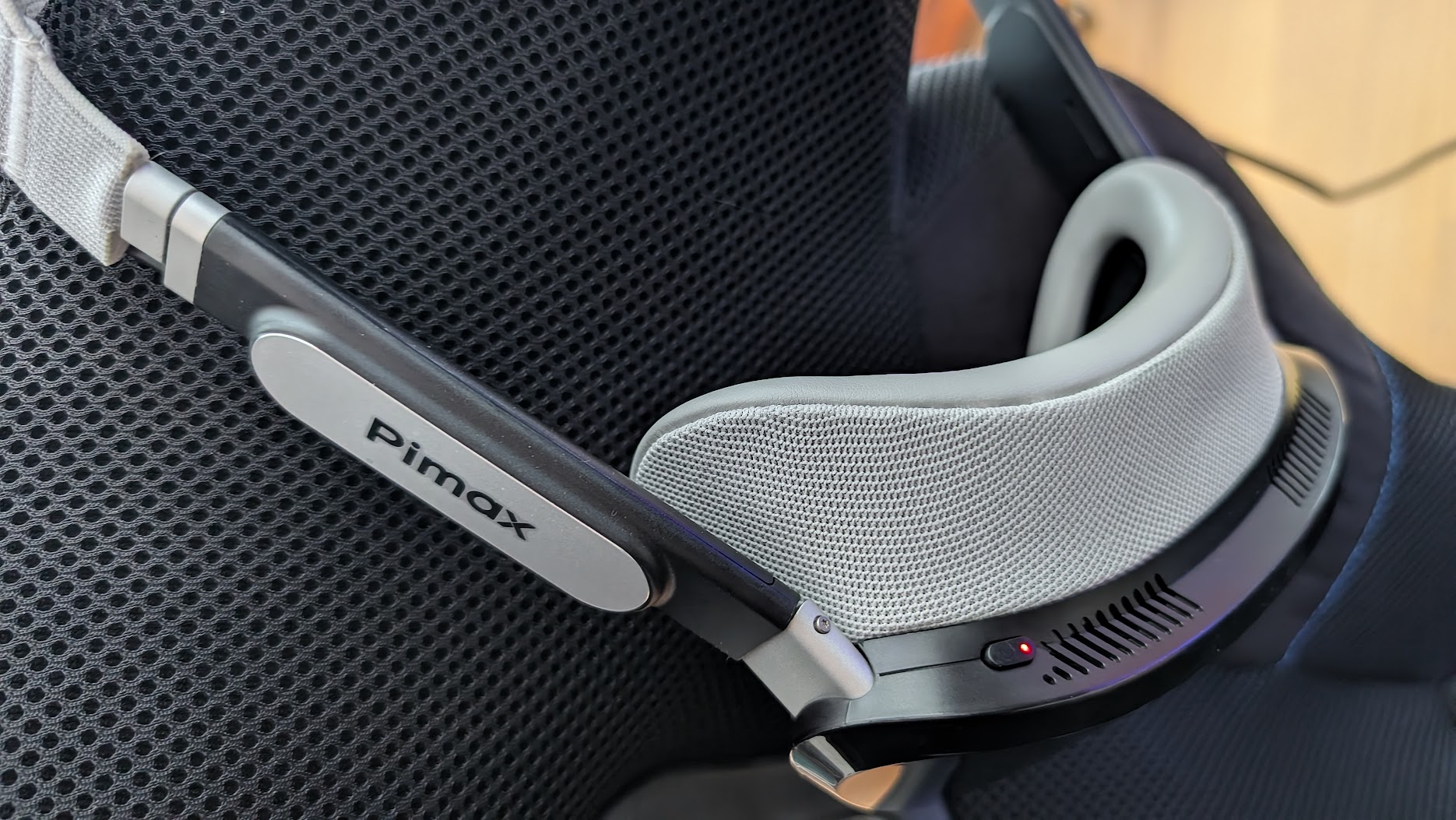
I want to add a bit of a personal disclaimer to this by saying I’m not advocating you trying to buy more headsets now. Pick the headset that fits how you drive, and if it’s a Pimax, buy it when you’re ready rather than at midnight on Black Friday. See you out on track.
Related Articles
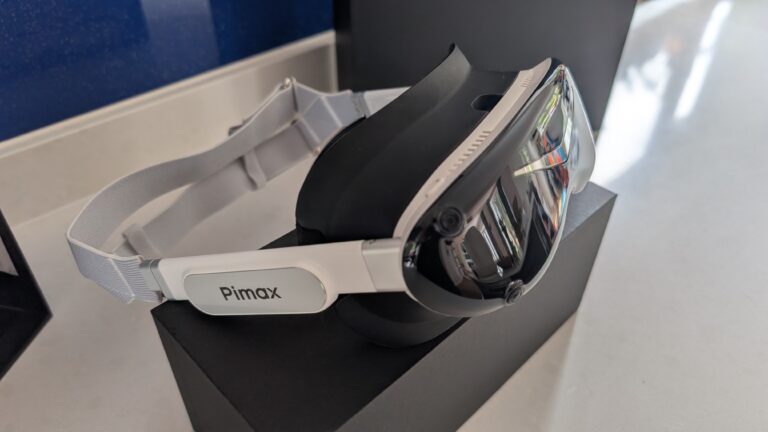
Pimax Black Friday Deals 2026
Steam Frame vs Dream Air for Sim Racing: Which Should You Buy?
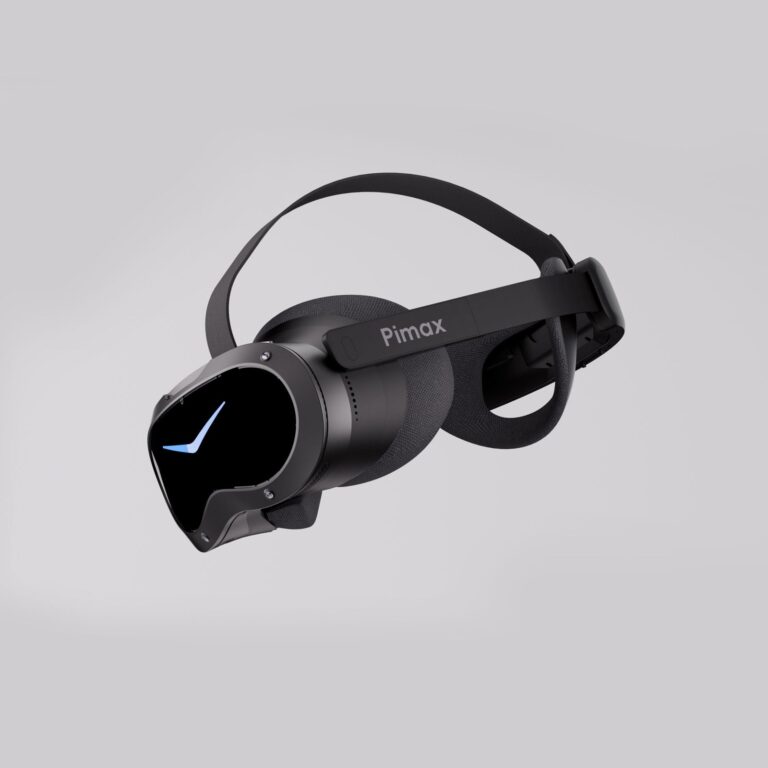
Should Sim Racers Wait for the Pimax Crystal Pro, or Buy Today?
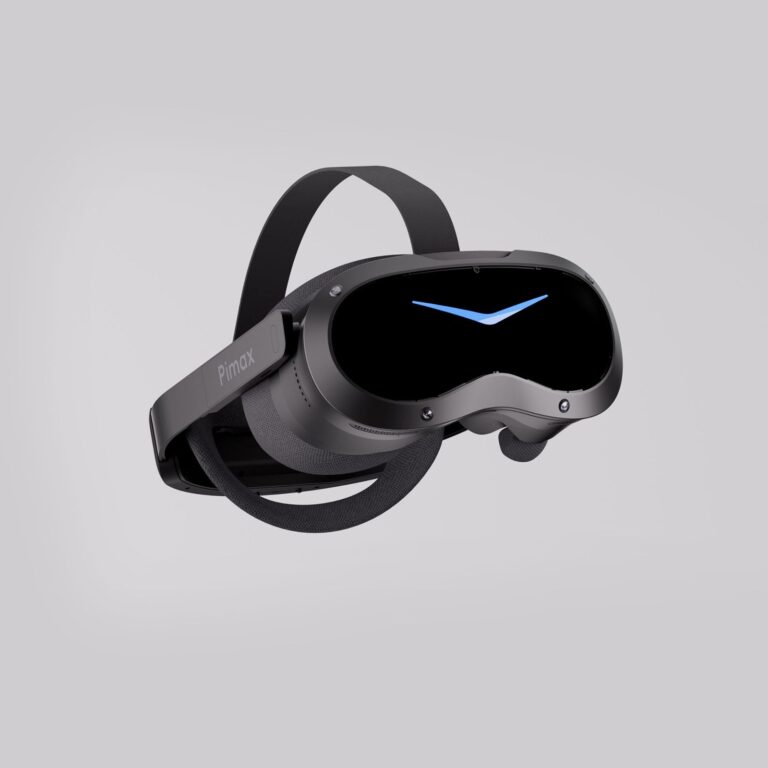
Pimax Crystal Pro: Everything We Know So Far
Bigscreen Beyond 2 for Sim Racing: What to Know in 2026
Pimax Dream Air vs Dream Air SE: Which Should a Sim Racer Buy?
Topic: Sim Racing Black Friday