
I’m a sim racer and amateur racer with a passion for Motorsport, good racecraft and the technical and setup aspect of sim racing.
And, where to begin.
The Meta Quest 3 has been a solid answer to “what’s my first VR headset going to be?” question since it shipped in 2023 (3 years?!), and, the consensus from every reviewer worth listening to even today is that its pancake lenses still haven’t been beaten (well, quick edit: the Dream Air is so impressive). Back to the Quest 3, the optics are really acceptable, the sweet spot is huge, and the all-in cost (~$500 and less quite often – mine was an eBay refurb) makes it the easiest VR entry point on the market.
While none of that is in dispute, anyone past their first hundred or so hours in a headset, the Quest 3’s compromises start to feel a bit limiting – the Quest 3’s resolution ceiling, the lossy wireless link (you really should get a good usb-c Quest compatibe cable), the standalone-first design that fights against committed PCVR setups, the need for accessories to make it cool and comfortable in long sessions, and so on.
Quick Navigation
Jump directly to what you’re looking for:
At a glance |
PC VR vs standalone |
Meta Quest 3 (standalone) |
PlayStation VR2 |
Meta Quest 3S |
How to think about upgrading |
Pimax Crystal Light |
Pimax Crystal Super |
Pimax Dream Air |
Bigscreen Beyond 2 |
Somnium VR1 |
Valve Steam Frame |
What we’re watching |
Why Pimax dominates this list |
The verdict
Today I’m looking at the headsets that move past those compromises – the Pimax Crystal Light, the Pimax Crystal Super, the Pimax Dream Air, the Bigscreen Beyond 2 and the Somnium VR1, all of them serious, and measurable upgrades from a Quest 3 for all flavours of PC gaming, but, as with all things VR, each with a handful of trade-offs to live with.
Below those sit the two headsets most people buying their first VR in 2026 are choosing between – the PlayStation VR2 at $399 and the Meta Quest 3S at $349.99 – and each gets its own section. So does the Valve Steam Frame, which went on sale on 14 September 2026.
If you’re quite new to VR, read our VR headsets for sim racing buyer’s guide and the deeper how VR headsets work primer on lenses and PPD.
Which VR headset fits your setup?
Your graphics card decides the right VR headset as much as your budget does, because there’s no point spending $2,000 on a headset your PC can’t drive properly. That’s why the finder below starts with your card.
Which VR headset fits your PC?
Pick your graphics card and how you play. The chart plots every headset by how hard it leans on your GPU against how good the picture is – your card draws the line.
Pimax make most of the PC VR headsets in that finder, so here’s their current range from our daily price monitor before I get into each one.
PC VR vs standalone: which should you buy?
Before you spend anything, work out which side of the fence you’re going to sit on. “Standalone” means the headset runs games on its own onboard chip – no PC, no cable, you pick it up and play. PC VR means the headset is a screen for your gaming rig, wired over DisplayPort, with your graphics card doing the heavy lifting. My own Quest 3 lives on the standalone side and it earns its keep – the family grabs it for Beat Saber and a bit of everything, no setup, no fuss.
For sim racing and flight sim, though, PC VR wins easily. iRacing, Assetto Corsa, DCS and Microsoft Flight Simulator never show up on a standalone store because a mobile chip can’t run their physics and draw distances. You can wire a Quest 3 into a PC and play them, but then you’re streaming a compressed image at roughly 35 to 50ms of latency, where a native DisplayPort headset sits closer to 5 to 15ms. You’re also stuck at the Quest’s ~25 pixels-per-degree, which isn’t much when you’re trying to read a dashboard or spot an apex. Not ideal. My VR for flight simulation guide goes deeper on the flight-sim side of that.

If you’re happy on a Quest 3 with Beat Saber and Pistol Whip, you’ve got no real reason to buy a PC. PC VR is worth the extra money for the games it can run, like Half-Life: Alyx, which could never exist on standalone because the onboard chip throttles resolution to save power and heat.
Meta Quest 3: the standalone benchmark
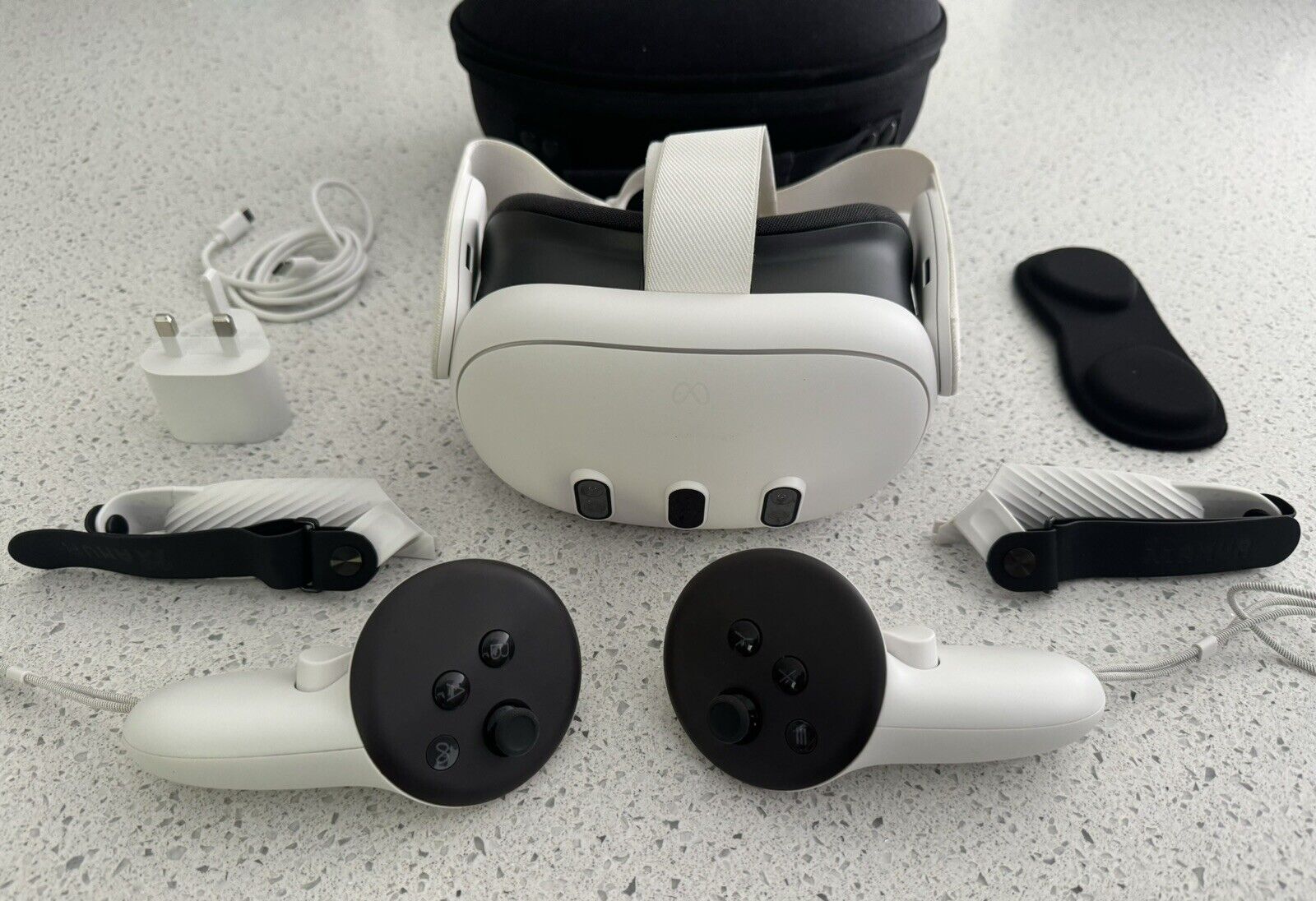
If standalone is where you’ve landed, the Quest 3 is still the one to beat despite it’s age. Featuring a Snapdragon XR2 Gen 2, pancake lenses that stay sharp edge to edge, colour passthrough that’s pretty useful, and a huge second-hand market (mine was an eBay refurb and I’d happily do that again). Meta nudged the 512GB model back up to $599.99 in April 2026 after a spell at $499, which stings a bit, but it’s the only headset Meta sells with pancake lenses.

Where the Quest 3 runs out of road is exactly where heavy gaming titles live. At around 25 PPD, the dashboard text and distant cars go soft and fuzzy, and wired into a PC over Link you’re just back to a compressed, higher-latency picture. If pure standalone VR is all you’re after in 2026, a used Quest 3 or the cheaper 3S is still the safe bet, because the games / software library is still being maintained. For sim racing, flight sim and serious gaming applications, it’s a floor rather than the finish. If you want the full read before you upgrade, our Quest 3 vs Pimax Crystal Light comparison lays the two side by side.
PlayStation VR2 – the console route in
If you already own a PS5, the PSVR2 is the obvious place to start. It lists at $399, which puts a 4K OLED headset with eye tracking below the price of a Quest 3. Gran Turismo 7 runs the whole game in VR, every event and every online race included, and the only thing left out is 2P split screen. For a sim racer with a PS5 already under the telly, that’s the cheapest good VR racing there is.
The panel is 2000 x 2040 per eye OLED at 90 or 120Hz across roughly 110 degrees, and the OLED part is why it still holds up three years after launch. Blacks are black. Night races and the darker parts of Spa look right in a way the Quest 3’s LCD can’t manage at any resolution. Against a Crystal Light you give up pixels per degree, so the dashboard is only about as sharp as it is on a Quest 3.
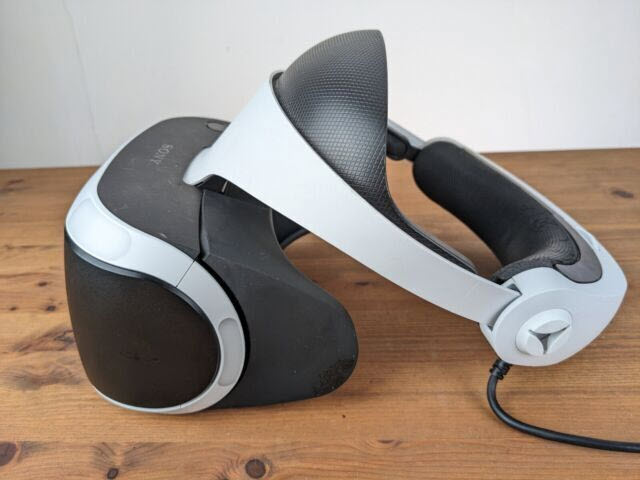
On a PC, you’ll need the PlayStation VR2 PC adapter Sony sell for $59, plus your own DisplayPort 1.4 cable and a Bluetooth adapter, and that opens up the whole SteamVR library – iRacing, Assetto Corsa, the lot. The catch, according to Sony’s own announcement, is that HDR, headset feedback, adaptive triggers, haptics beyond plain rumble and eye tracking all stop working on PC.
Losing the eye tracking hurts the most, because it’s what drives dynamic foveated rendering (DFR), and DFR is the reason a Crystal Super or a Beyond 2e can push an enormous image on a GPU that shouldn’t cope. You do still get foveated rendering on PC, but only the fixed kind, which assumes you’re looking at the centre of the lens. On a 2000 x 2040 panel that’s survivable, though it wouldn’t be on a 3840 x 3840 one.
Meta Quest 3S – the cheap standalone most people should buy
The Quest 3S is Meta’s cheaper standalone headset, at $349.99 for 128GB or $449.99 for 256GB. It has the same Snapdragon XR2 Gen 2 and 8GB of RAM as the Quest 3, and the same Touch Plus controllers. If someone in the house wants VR and has no interest in sim racing, buy them a Quest 3S and skip the rest of this section.
To hit that price, Meta cut back on the optics. The 3S runs Fresnel lenses where the Quest 3 runs pancakes, 1832 x 1920 per eye against 2064 x 2208, and 96 degrees of horizontal field of view against 110. The IPD adjustment is three fixed positions rather than a slider, so if your eyes sit between two of them you live with it. There’s no dedicated depth sensor either, though you’ll only notice that in passthrough.

Those compromises are a problem in sim racing, because the Quest 3 was already the bare minimum for reading a dashboard at distance. The 3S drops below it on resolution and lenses, and narrows the view as well. Wire it to a PC over Link and you get the same compressed stream as a Quest 3, only from a lower-resolution panel.
How to think about upgrading your VR
When you move past a legacy headset or the Quest 3 to a dedicated PCVR headset, things get a little different. First, DisplayPort replaces lossy wireless or a USB-C link, which removes a layer of compression and frees up perhaps 10-15% of GPU overhead that was previously going to the encoder.
Secondly, the resolution ceiling I mentioned goes up, from the Quest 3’s 2064 x 2208 per eye to 2880 x 2880 on the Pimax Crystal Light, 3840 x 3840 on the Crystal Super or 2560 x 2560 on the Bigscreen Beyond 2. On a flagship GPU, and especially with foveated rendering, those extra pixels make everything in the cockpit easier to read. Third, you can have Micro-OLED, with deeper blacks and richer contrast than the LCD behind the Quest 3’s pancake lenses can manage.
Some of the trade-offs run the other way, though, because the Quest 3’s pancake lenses still produce the most forgiving sweet spot and the cleanest edge-to-edge optics in the entire VR market, and nothing on this list beats them on that.
Several PCVR headsets are bulkier, demand SteamVR Lighthouse base stations rather than inside-out tracking, or arrive with quality control issues that the Quest 3’s mass production has long since solved. Each of the five PC VR headsets here also costs more than a Quest 3 and a copy of Virtual Desktop, and most of them cost a lot more.
Pimax Crystal Light – the entry upgrade

The Crystal Light comes with local dimming and the controllers for $899, which is what Pimax’s store was charging on 28 September 2026. The daily price monitor below has today’s figure.
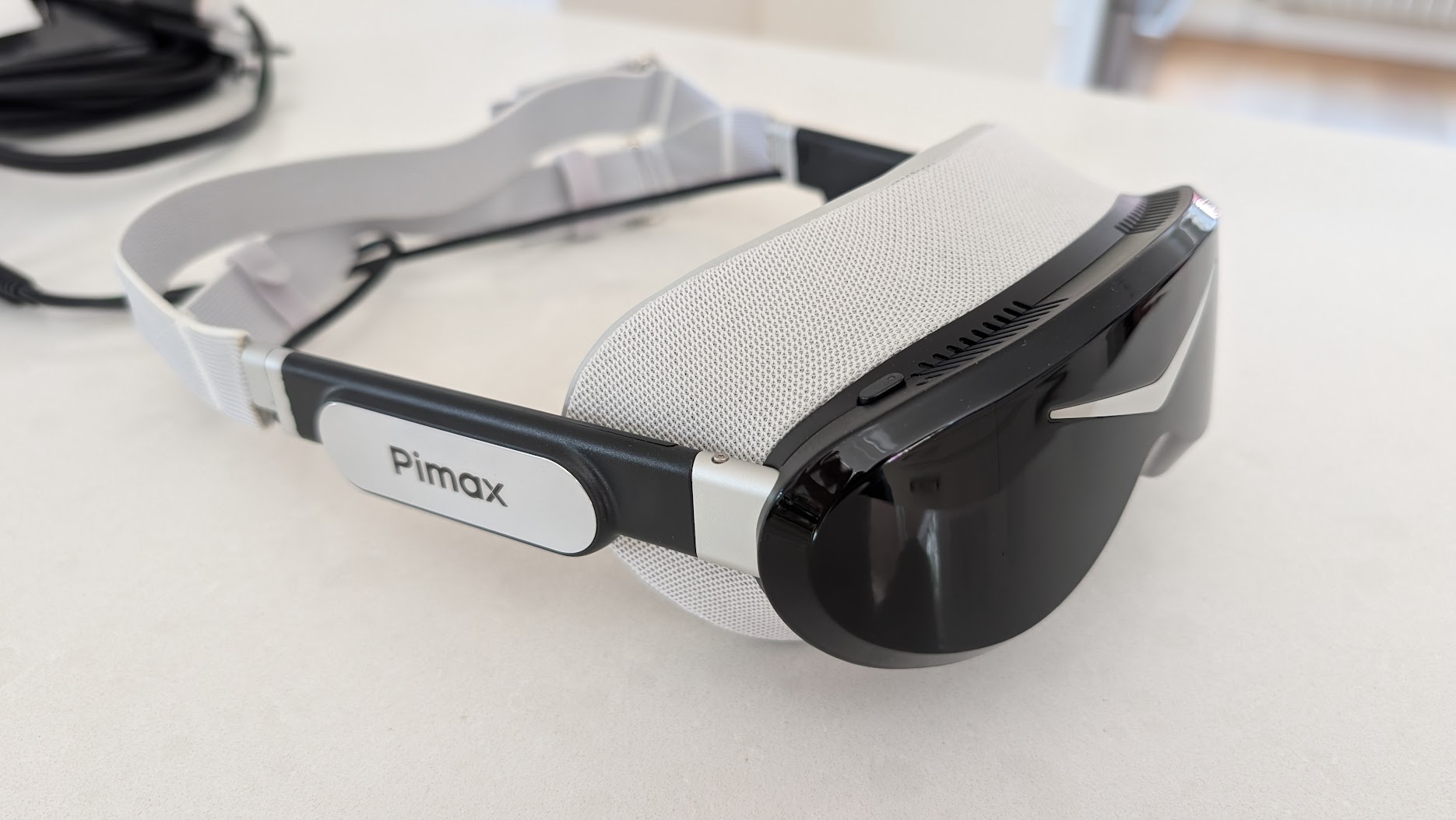
The Crystal Light is the cheapest, most credible step up from a Quest 3. As I said in my first-thoughts review, “the Light does actually feel lighter (it’s not just a clever name) and the cabling and additional extras are much less burdensome. I’m OK with the battery feature being removed – as I always use the Crystal plugged into my gaming PC.”
On first impression, it feels almost half the weight of the original Pimax Crystal with a battery installed (it’s actually a third lighter). In my opinion, it’s the best-value PCVR headset: It’s got full DisplayPort support, an immensely sharp display, and it really is incredible value for money. The only other display out there that comes close are headsets such as the Somnium VR1 and maybe the Varjo Aero at 35 PPD, but you can’t buy the Aero anymore.
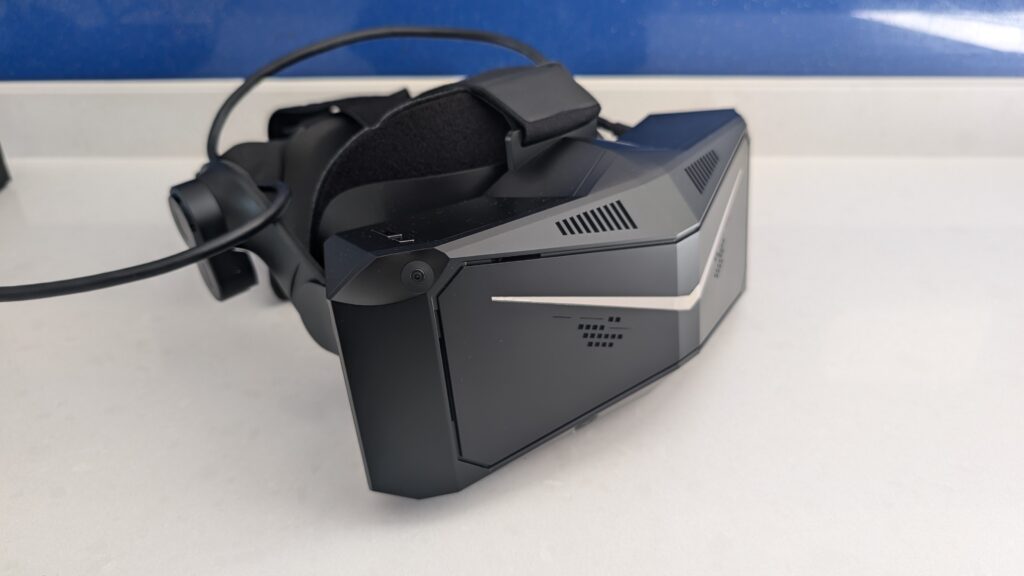
There are always pros and cons with VR headsets. The Crystal Light is bulkier than a Quest 3, and its aspheric glass lenses don’t give you as forgiving a sweet spot as the Quest 3’s pancakes, so you notice the difference in the corners when your eyes wander away from centre. Support, however is forthcoming: The optical batch issues that some early adopters saw in 2024 have long been resolved through subsequent production runs, and Pimax’s 14-day return policy stays in place as a safety net.
For most people the Crystal Light is the easiest way into Pimax, because inside-out tracking means there are no base stations to set up, DisplayPort means no wireless compression, and the QLED panel with local dimming comfortably beats the Quest 3 on contrast.
Our Crystal Light first thoughts covers the setup experience and the iRacing session that followed tested it in anger. The Crystal Light settings for iRacing and ACC page has the per-sim configuration once you’ve got one, and there’s a Quest 3 vs Crystal Light upgrade guide for anyone making the jump from a Quest 3.
Pimax Crystal Super – the visual peak
On 28 September 2026 Pimax’s store had the Crystal Super QLED at $1,599, down from $1,799, and the Micro OLED version at $2,199, while the Golden Bundle that paired both engines at $2,499 was out of stock. Depending on the engine you get 50-57 PPD, and every version tracks inside-out with no base stations needed, has Tobii eye-tracking built in and connects over DisplayPort.
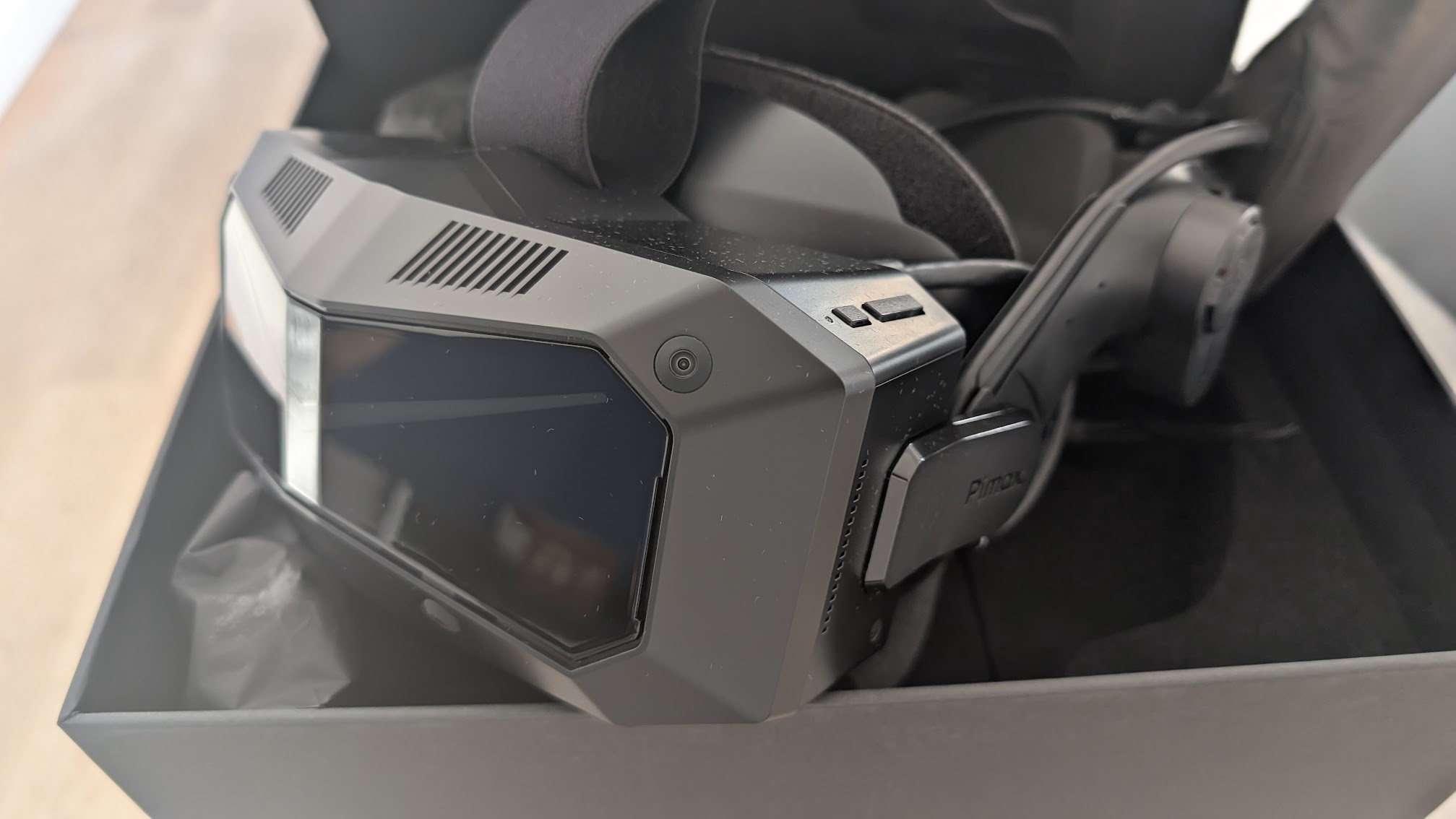
Once you’ve outgrown the Crystal Light, the Crystal Super is the next step up. Our full Crystal Super review extract: “Building upon the well-regarded (and well-received!) Crystal Light, the Super pushes boundaries with an 3840 x 3840 resolution per eye across nearly 30 million pixels total.” The Crystal Super arrives with extraordinary visuals, comprehensive tracking, and modular optical engines that future-proof the purchase.
Pimax offers four optical engines for the same Crystal Super shell: the default Ultrawide (50 PPD, 140° horizontal FOV, QLED), the 50 PPD QLED (127° FOV), the 57 PPD QLED (106° FOV, the sharpest QLED option), and the Sony 8K Micro OLED engine (116° FOV at 3840 x 3552 per eye). All four share the same headset, controllers, tracking, audio and Tobii eye-tracking, so an upgrade means swapping the optical engine and nothing else, which no other headset on the market lets you do.
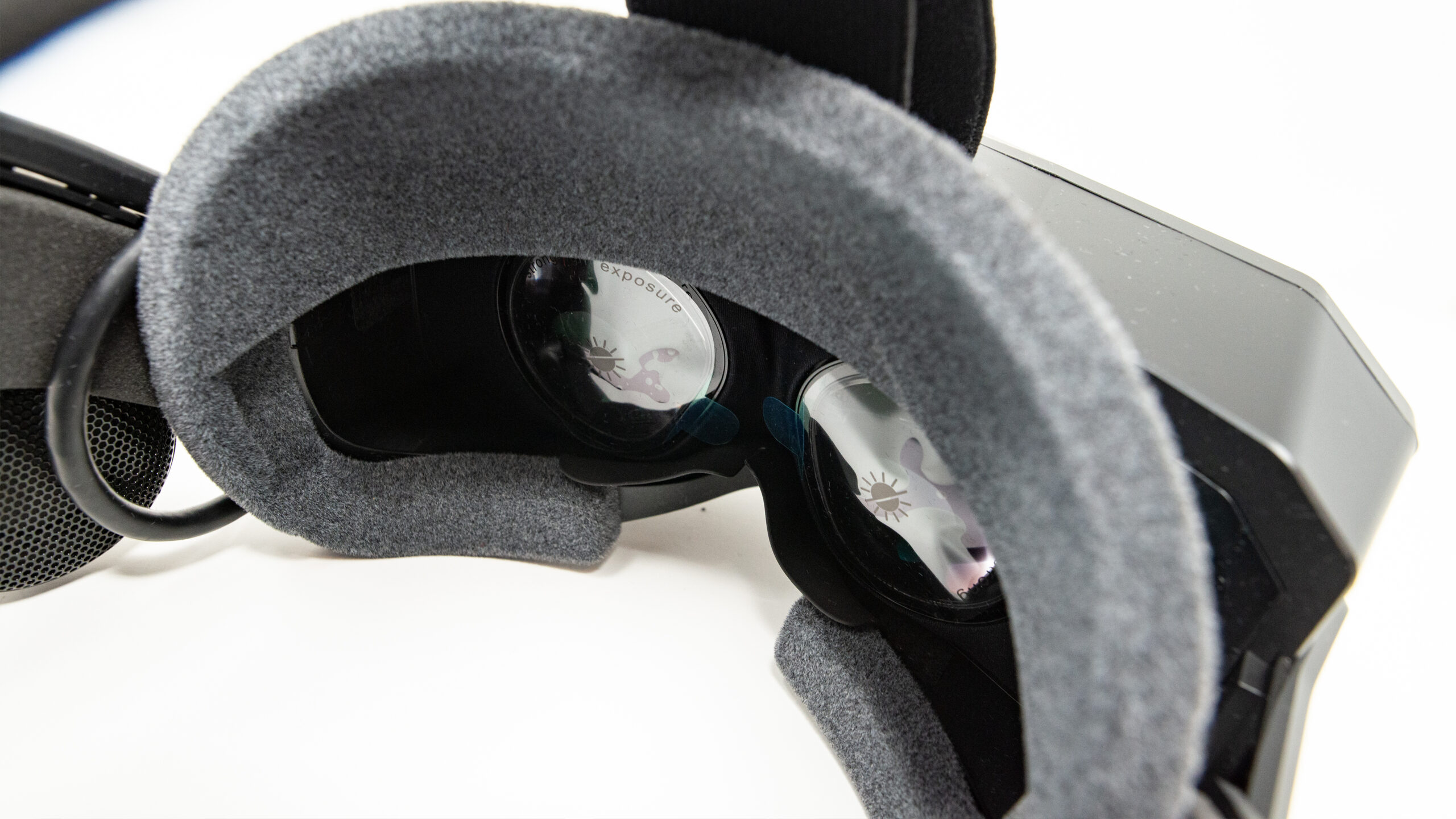
The Micro OLED variant has the best picture of the four engines. The pinnacle top tier, absolute best you can get right now, with DMAS audio and inside-out tracking all built in. The Tobii eye-tracking integrates with native Dynamic Foveated Rendering in iRacing (added in the September 2025 Season 4 build) and any other sim that supports the OpenXR XR_EXT_eye_gaze_interaction extension – that’s the path to running a 3840 x 3552 image on hardware that would otherwise be choked by the raw pixel count.
The QLED engines run brighter than the Micro OLED, and the Ultrawide and 50 PPD ones are wider too (140° and 127° against 116°). The trade-off is that QLED brightness can be slightly less uniform from pixel to pixel, where the Micro OLED’s pixels are perfectly uniform. For most buyers committing to a Crystal Super, the QLED 50 PPD variant is the right entry, and the Micro OLED upgrade engine can be added later.
As an aside, check out my Pimax Crystal Settings Guide for the per-sim configuration, and the Pimax Play 2.0 piece on how the team at Pimax continue to develop their gear at lightning pace.
Pimax Dream Air – the ultralight Micro-OLED
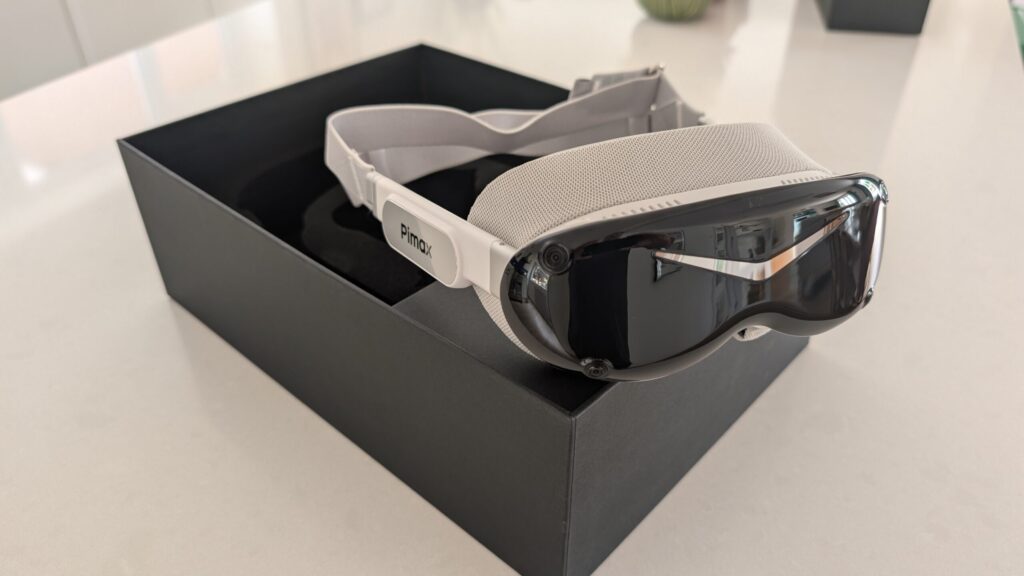
Pimax were asking $1,999 for the Sony panelled Dream Air on 28 September 2026. It weighs 170g for the shell alone (the external cable splitter sits separately), uses Pimax’s own ConcaveView optics, and has SLAM and Lighthouse tracking on the one headset. The Dream Air SE was $899 the same day, with a lower-resolution 2560 x 2560 micro-OLED panel.
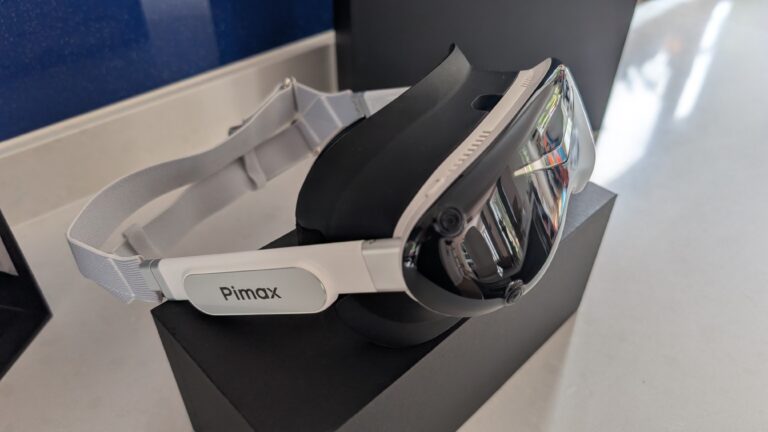
The Dream Air is without a doubt, the best VR headset that I’ve ever tried. Those beautiful 4K Sony displays, coupled with amazing lenses and the comfort is unbeatable. This is a great headset for sim racing – long endurance races included.
The Sony Micro OLED panels are the same generation as those in the Apple Vision Pro – so you’re getting similar gear for around a third of the price. Check out my Pimax Dream Air review for more info.
If you want the best picture in consumer PCVR right now, buy the Sony panelled Dream Air. For buyers wanting a comparable peak with the mature Crystal Super technical stack and inside-out tracking, the Crystal Super Micro OLED is the more conservative call – same Sony panel generation, different optical-engine implementation, no external base stations needed.
Bigscreen Beyond 2 – the lightweight Micro OLED alternative
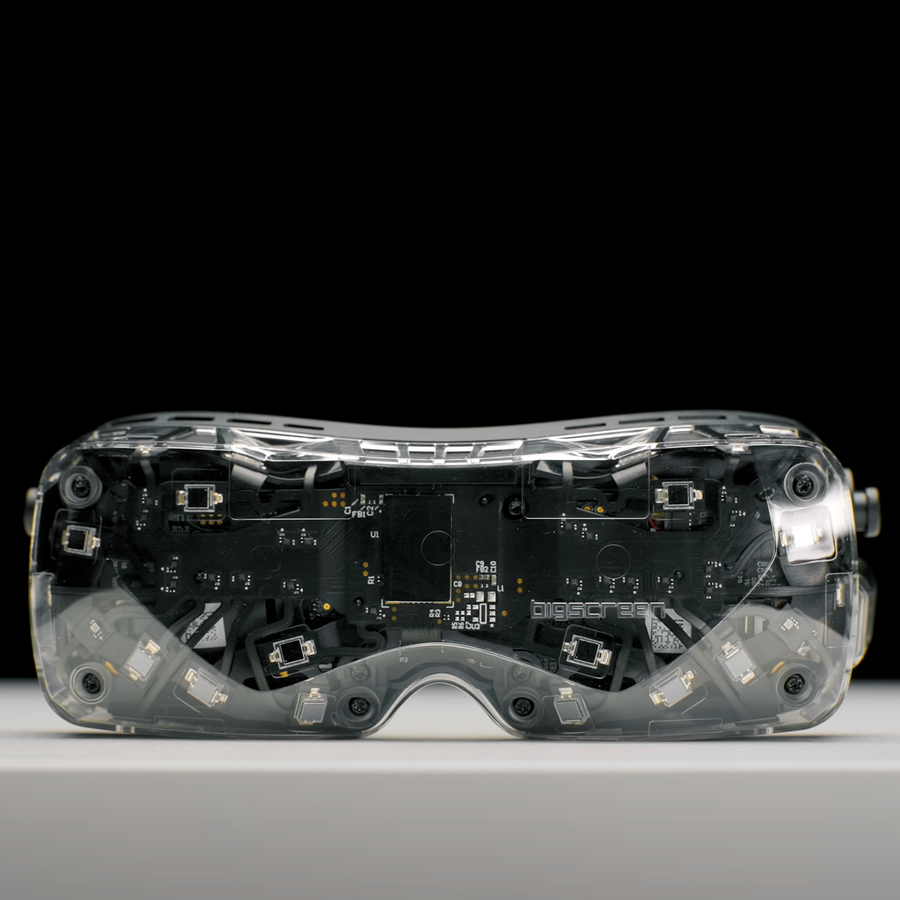
The Bigscreen Beyond 2 is sold direct on Bigscreen’s store, with the eye-tracking Beyond 2e as the dearer version, so check the price there. The shell weighs 107g (108g for the 2e) and carries 2560 x 2560 per eye Micro OLED panels at 75Hz or 90Hz, across 116° diagonal (108° horizontal, 96° vertical), for a peak of 32 PPD. IPD adjusts per eye from 53 to 70mm.
The Bigscreen Beyond 2 is the alternative to the Pimax Dream Air ultralight Micro-OLED bet, and a strong one. The lenses stay sharp almost to the edge. The form factor is the star of the show as well. The Beyond 2 has largely fixed the glare the original Beyond was known for, and the 2e’s eye tracking adds dynamic foveated rendering, which you’ll want at this resolution.
There are three honest trade-offs that separate the Beyond 2 from the Pimax line. The silicon facial interface gets sweaty after about an hour feeling very unpleasant on your skin. I recomend the aftermarket strap and facial-interface modifications if that doesn’t sound ideal. The binocular overlap is lower than on other headsets, which is what Bigscreen gave up to get the FOV out to 116° diagonal. Most people don’t notice it, but it can cause eye strain if you’re sensitive to it. And Lighthouse base stations are required – there’s no inside-out tracking – which adds setup cost and complexity for anyone who doesn’t already own a SteamVR rig.
Somnium VR1 – the enthusiast peak
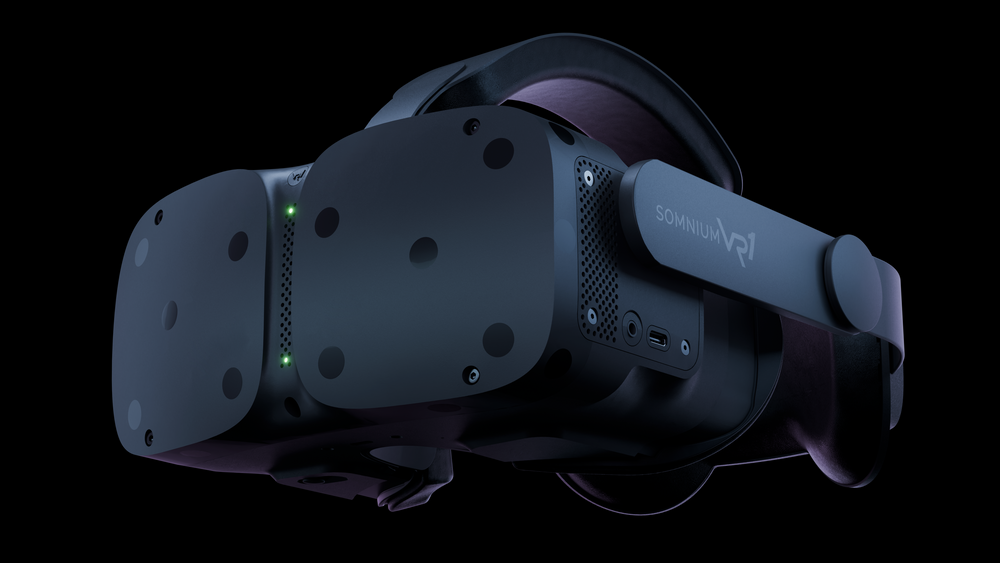
The Somnium VR1 is €2,999 excluding tax for the Visionary Edition (VR plus eye tracking), €3,399 for the Titan with hand tracking and €4,299 for the Ultimate with mixed reality, and it’s sold direct from the Somnium Space store only. It runs 2880 x 2880 per eye at 35 PPD across 130° horizontal and 105° vertical, on a fast LCD (QLED Mini-LED with local dimming), and tracking is SteamVR Lighthouse only.
It’s an enthusiast’s headset, and by a wide margin the most expensive one here. The visuals punch well above the headline 35 PPD spec. The unit feels more like 50 PPD in practice, with eye tracking, hand tracking, immense pass-through, and an exceptional 130° horizontal field of view. The package is closer to a Pimax Crystal Super in capabilities than to a Bigscreen Beyond, but with better build quality and a more polished software stack.
Valve Steam Frame – priced, and sold by reservation
Valve have now put a price on the Steam Frame, and the Steam store page lists it at $1,059 for the 256GB kit and $1,299 for the 1TB kit (as of 28 September 2026). You can’t just add one to a basket, though. It’s sold through a reservation queue, which was randomised on 17 September, and Valve started emailing people in it from 18 September; sign up now and you join a waitlist. It still isn’t one of my picks for a sim rig.
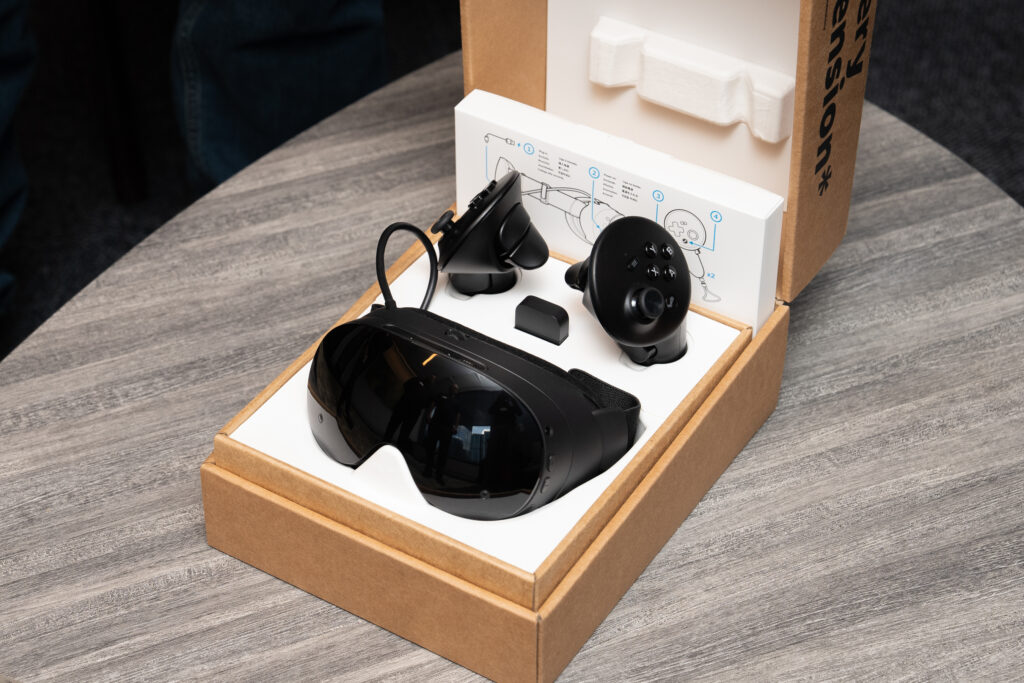
The hardware is 2160 x 2160 LCD per eye behind custom pancake lenses, 72 to 144Hz, with four monochrome cameras doing inside-out tracking and no base stations to set up. For PC VR it ships with a 6GHz wireless adapter in the box and runs two radios, one carrying the stream and one talking to your normal Wi-Fi, so the two aren’t competing. On top of that sits Foveated Streaming, which uses eye tracking to spend bandwidth only where you’re looking. Valve claim over a tenfold improvement in effective bandwidth from it, and it applies across the whole Steam library rather than a list of supported titles.
For a sim racer, everything turns on that word streaming. Every wireless headset I’ve raced in has traded latency for the freedom, and Valve are betting that a dedicated 6GHz link plus gaze-steered bitrate closes the gap. Road to VR’s review found the stream over the dedicated adapter so close to a cable that the average user wouldn’t be able to tell which one they were looking at. I haven’t raced in a Steam Frame myself, so I can’t say yet whether that holds up for sim racing.
If you’ve got a Quest 3 and you’re more into general gaming and VR apps than sim racing, the Steam Frame is where I’d point you for a high-end upgrade. For now my sim rig is staying on the Dream Air, which is the better and lighter headset, and I’ve got it well embedded in my simulator. My full Steam Frame vs Dream Air comparison goes into why. And if what you want is the sharpest image you can get in a cockpit, 2160 x 2160 was never going to beat a Crystal Super, so it isn’t the one you’re waiting for anyway.
What we’re watching but not recommending yet
Two more headsets are on the “watch this space” list for now: the Quest 4, which isn’t out yet, and Samsung’s Galaxy XR, which is out but isn’t built around PC gaming. Either could join the recommendations if that changes.
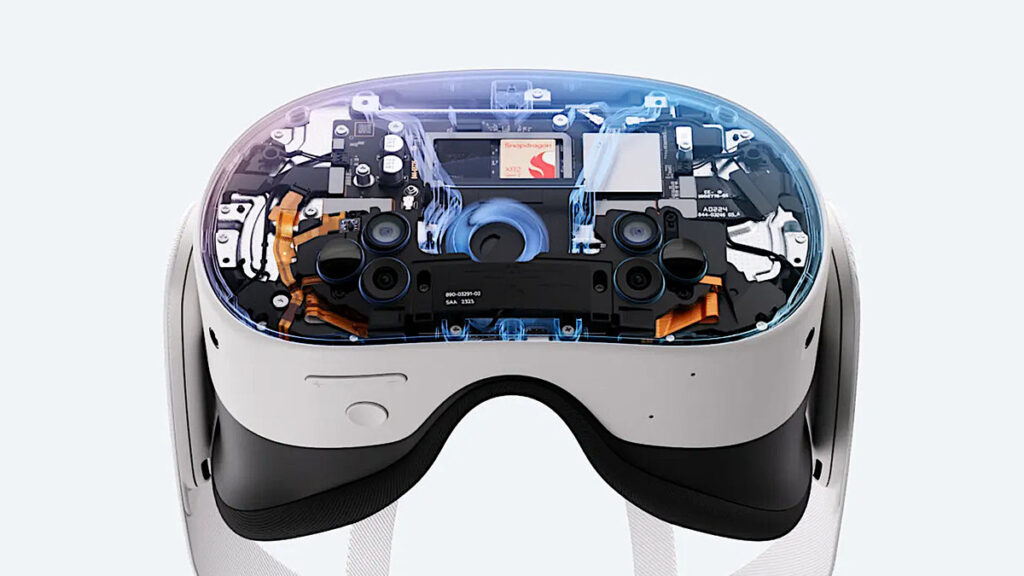
According to leaked roadmap reports, Meta is working on two headsets to follow the Quest 3: an ultralight mixed-reality headset with an external compute puck (rumoured branding “Quest Air”) and a traditional Quest 4 standalone successor (codenamed “Griffin”). Both have slipped from early 2026 to 2027 or 2028. That leaves the Quest 3 and Quest 3S as Meta’s line-up for the rest of 2026. Is it worth waiting for the Quest 4? No, the wait is too long, and it’s unlikely to be much of a PCVR upgrade in any case, because Meta’s focus is mixed reality.
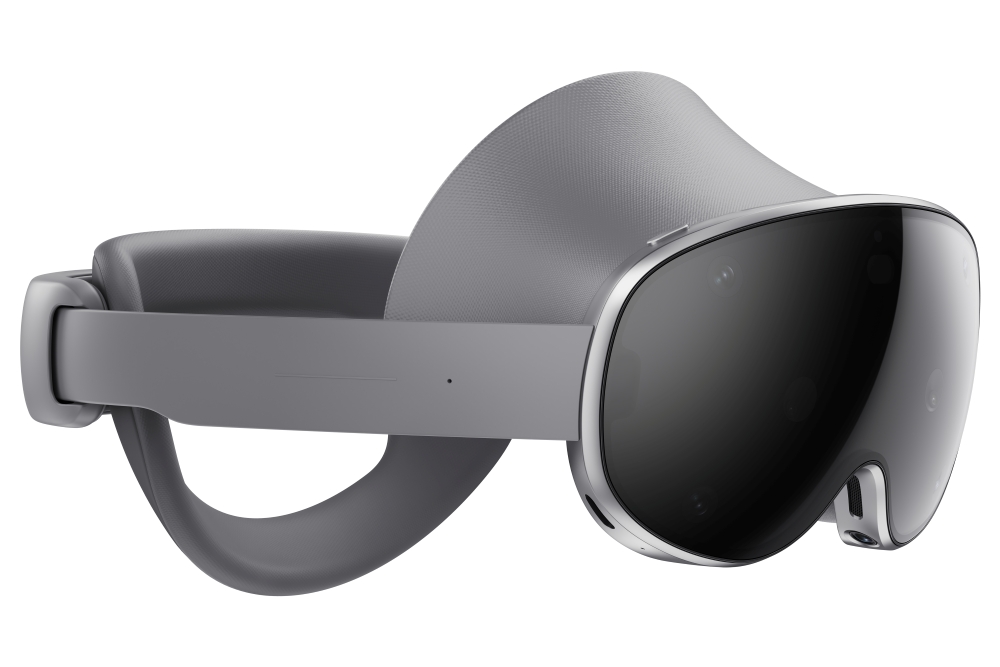
Samsung shipped the Galaxy XR, its Android XR headset (the productised version of “Project Moohan”), in late 2025 at $1,799 plus $250 for controllers. The display is dual 3552 x 3840 Micro OLED, which on paper makes it a serious PCVR contender.
In practice Samsung have pitched it at mixed reality and spatial computing, as an Apple Vision Pro competitor. The Android XR OS isn’t built around SteamVR or PC gaming, and the tethered external battery design is a non-starter for sim or flight cockpit use.
Why Pimax dominates this list (and where it doesn’t)
Three of the five PC VR recommendations above are Pimax, because they’ve been the most aggressive on resolution-per-degree, on DisplayPort architectures, and on modular upgrade paths (the Crystal Super’s swappable optical engine is the obvious example). Their pricing helps too. The Crystal Light at $899 has no real competitor as a PCVR upgrade, and a QLED Crystal Super at $1,599 costs about half what a €2,999 Somnium VR1 does for comparable visuals.
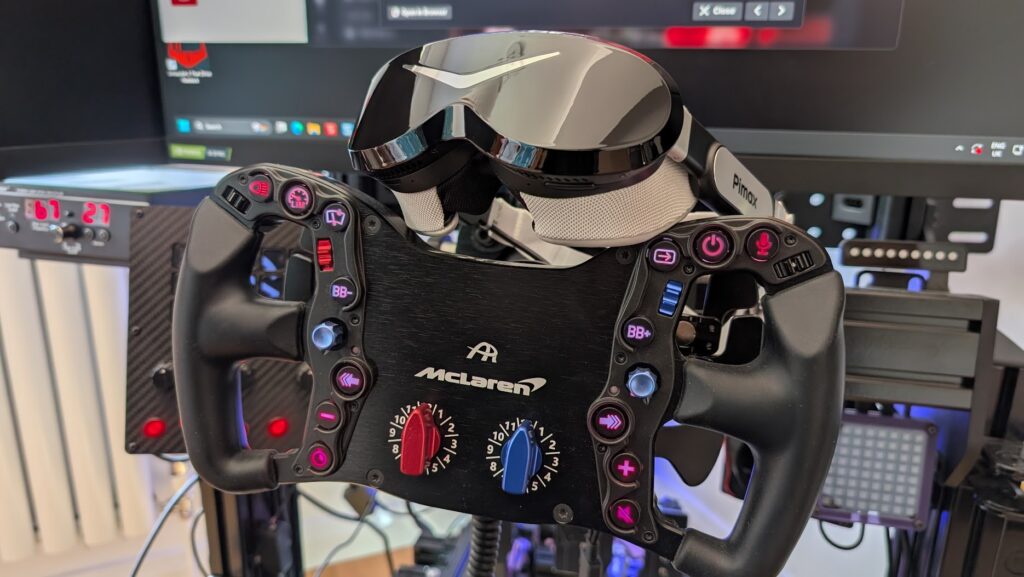
Where Pimax doesn’t quite lead the field: weight at the absolute lightest end. At 107g, the Bigscreen Beyond 2’s shell is in its own category for endurance comfort. Pimax’s answer is the Dream Air SE, at under 140g, or the 170g Sony panelled Dream Air, which carries SLAM tracking as well as Lighthouse, so it doesn’t need base stations. If the priority is “I want to spend three hours in this headset and forget I’m wearing it” and you already own SteamVR base stations, the Beyond 2 is worth a look alongside the Dream Air variants.
Pimax had their share of problems through 2024 and 2025: the original Crystal had heat and battery quirks, early Crystal Light optical batches varied, and the first Dream Air units shipped with QC issues. Pimax have worked through each one, and current production across the Crystal Light, Crystal Super and Dream Air range is mature. If you do draw a problem unit, there’s Pimax’s 14-day return policy. The Pimax Play 2.0 release in early 2026 resolved most of the software fiddle factor earlier Pimax owners had to put up with, because the runtime is now Pimax’s own native OpenXR, where it used to be the third-party PimaxXR + OpenXR Toolkit stack.

Prices move, so check our daily price monitor below before you trust a figure in an article, including mine!
The verdict
If money is no object, the Pimax Dream Air is the best display in consumer PCVR – the latest production batches have resolved the early-2026 teething issues and the form factor finally matches the displays.
The Pimax Crystal Super Micro OLED gets you a comparable picture from a more mature product.
The best-value upgrade from a Quest 3 is the Pimax Crystal Light at $899. The 107g Bigscreen Beyond 2 is the lightest headset here, which is what you want for comfort over a long endurance race. And if you’re in Europe and want mixed reality, look at the Somnium VR1 Ultimate at €4,299, as the €2,999 Visionary Edition doesn’t include it.
All five clear the bar the Quest 3 set in 2023 for serious PCVR gaming, even though the Quest 3 still has the best lenses in the business. If it’s a Pimax you’re leaning towards, the whole range is in the table below with today’s prices.
And if you’re not spending PC VR money at all but you’ve got a PS5, buy the PSVR2, because Gran Turismo 7 in VR at $399 is the best value anywhere on this page. If you haven’t, get a Quest 3S at $349.99 and enjoy it for what it is.
For more detail on the Pimax software stack and per-sim settings, the Pimax Crystal Light and Crystal Super settings guide has the lot. If you’re still deciding between any of the picks above and the Quest 3 itself, our full Quest 3 review covers the baseline. Once you’ve picked a headset, the next stop is my guide to which sim racing titles work in VR in 2026.
Related Posts
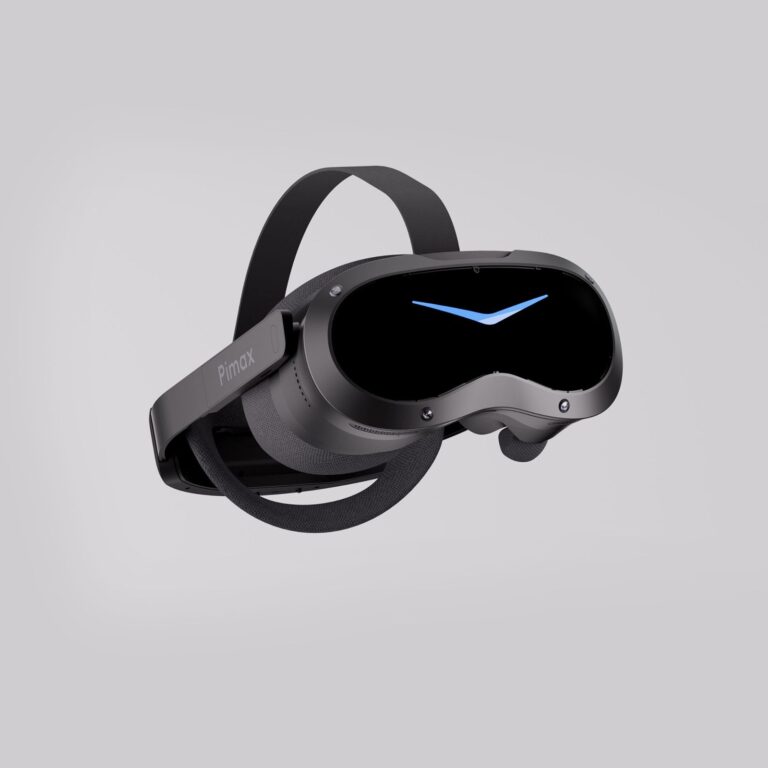
Pimax Crystal Pro: Everything We Know So Far
Bigscreen Beyond 2 for Sim Racing: What to Know in 2026
Pimax Dream Air vs Dream Air SE: Which Should a Sim Racer Buy?
SteamVR Base Stations for Sim Racing: Lighthouse vs SLAM on the Pimax Dream Air
How to Install the SBoys3 Driver on the Pimax Dream Air Lighthouse