
I’m a sim racer and amateur racer with a passion for Motorsport, good racecraft and the technical and setup aspect of sim racing.
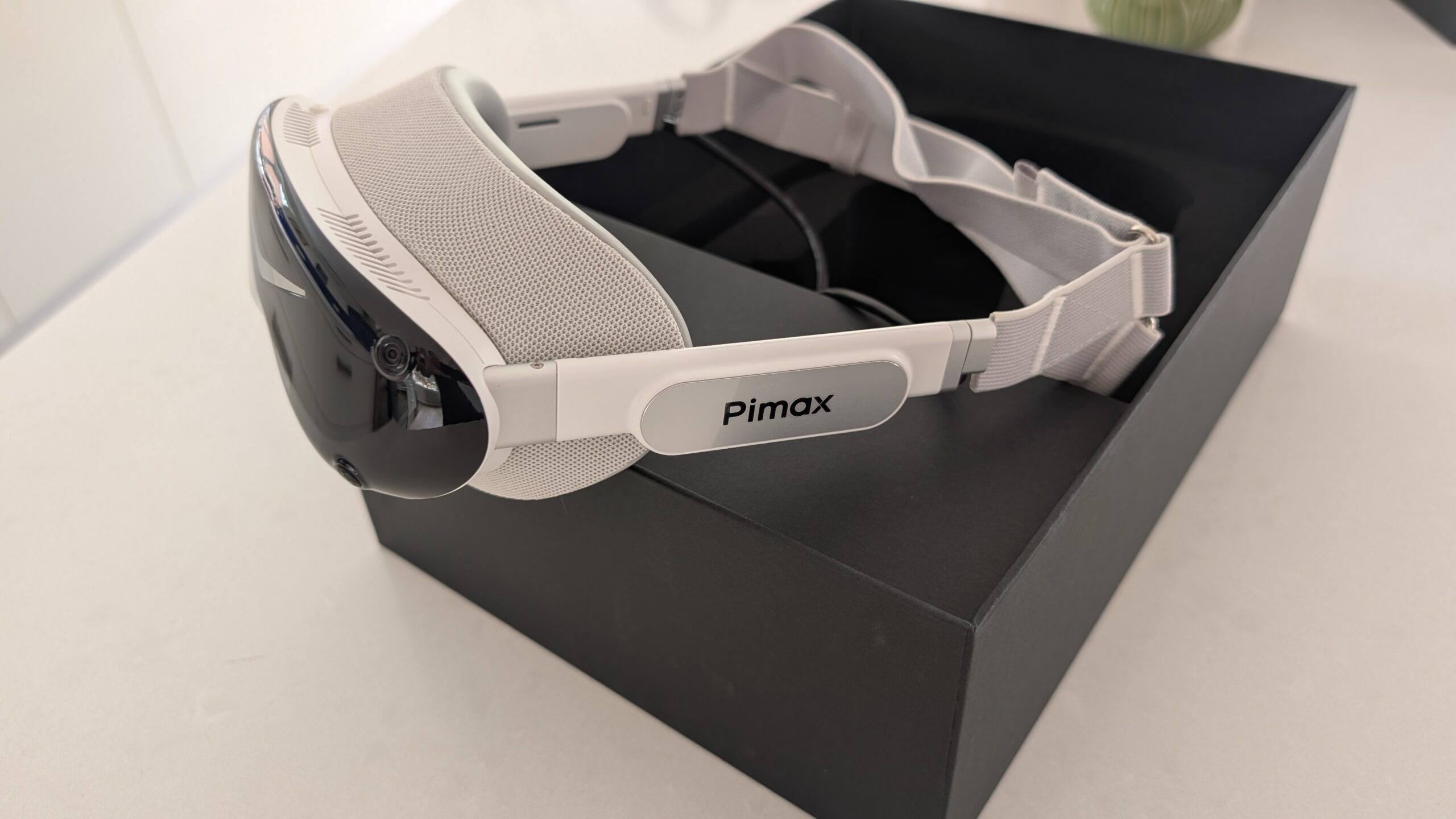
I’ve bought the Dream Air SLAM, and when the Crystal Pro comes out I might sell it on eBay. Why wait? Life is short. If you want VR now, that’s the VR to have. For the current state of the art in sim racing and flight simulation, the Dream Air or the 57 PPD Crystal Super are the headsets to own. The Dream Air SE is the one for a less powerful PC, and the Crystal Light is the cheapest of the five with its controllers in the box, at $899 USD. The Crystal Pro, which Pimax says ships in spring 2027, is only worth waiting for if you want rid of the cable.
Pimax discount codes: use SIMRACINGCOCKPIT for 2% off, or SIMRACINGCOCKPIT25 for $25 off, at pimax.com.
Quick Navigation
Jump directly to what you’re looking for:
What they share |
What does waiting mean? |
What the Crystal Pro adds |
Is the Crystal Pro sharper? |
Which one can your graphics card drive? |
Prices and the iRacing bundle |
So which should you choose?
What the five Pimax headsets share
All five are Pimax PC VR headsets, sold direct from Pimax’s own store. The four you can buy today run on a DisplayPort cable to your PC, and the Crystal Pro can too, over an optional cable that isn’t in the box. Every one of them bar the Crystal Light has eye tracking, and on those four it drives dynamic foveated rendering (DFR), which means the game only needs to render sharp where you’re looking.
FOV (field of view) is close across the set, from 105 to 110 degrees horizontal. The Dream Air, the Crystal Light and the Crystal Pro are 110, the Crystal Super 57 PPD is 106 and the Dream Air SE is 105. That’s a small spread, so FOV won’t decide it for you. The timing will, and after that the picture, what your graphics card can drive and whether you want a cable at all. The rest of the numbers are in the table below.
| Spec | Dream Air | Dream Air SE | Crystal Super 57 PPD | Crystal Light | Crystal Pro |
|---|---|---|---|---|---|
| Panel | Sony Micro-OLED | Micro-OLED | QLED + Mini-LED | QLED + Mini-LED | QLED + Mini-LED |
| Resolution per eye | 3840 x 3552 | 2560 x 2560 | 3840 x 3840 | 2880 x 2880 | 2880 x 2880 |
| Horizontal FOV | 110° | 105° | 106° | 110° | 110° |
| Eye tracking | Yes | Yes (Tobii) | Yes | No | Yes |
| Tracking | SLAM or Lighthouse | SLAM (Lighthouse optional) | Inside-out or Lighthouse | Inside-out | SLAM 2.0 (Lighthouse via faceplate) |
| Connection | DisplayPort cable | DisplayPort cable | DisplayPort cable | DisplayPort cable | Wi-Fi, optional 60G AirLink or DisplayPort cable |
| Availability | On sale | Pre-order | On sale | On sale | Spring 2027 (Pimax) |
| Best for | State of the art now, top-end PC | A less powerful PC | The most pixels per eye, top-end PC | The cheapest complete kit | No cable, room-scale |
What does waiting for the Crystal Pro mean?
Pimax announced the Crystal Pro on 6 October 2026. Pimax’s FAQ says hands-on demos start in Q4 2026 and that shipping is set to start in spring 2027. The Dream Air, the Crystal Super and the Crystal Light are on sale today, and the Dream Air SE is on pre-order. If you want to guess what VR might be like in another six months, then wait.
But what does wait mean, right? My read is that you can get about three quarters of the value of a good-condition, second-hand VR headset on eBay, if not more, and more again if you’re supplying something like a head-strap modification with it. These headsets are in high enough demand, and expensive enough new, that people are very confidently buying second-hand. So if you buy today and move on when the Crystal Pro ships, it costs you the gap between what you paid and what the next owner pays you.
Of course, I can’t influence whether you wait. I can only tell you what I’d do. I did get the Dream Air SLAM, and I will sell it on eBay when the Pro comes out, and that’s just what I’ve always done.
I’ve got huge confidence in Pimax. They’re obviously listening to every issue as it arises. What you’re seeing now, rather than Pimax playing catch-up, is Pimax putting a stake in the ground and saying, in effect, this is our current technology, some of it is in development, this is what that development looks like, and we will deliver on this particular date. So at least with Pimax, you’ve got some certainty. You know when the next one’s coming out.
Who knows? Maybe they’ll do an upgrade deal. Maybe they’ll do a discount for existing customers. Maybe you have a friend who would like to take the Dream Air off your hands. Pimax hasn’t announced an upgrade or trade-in offer for any of these headsets, and the only Crystal Pro offer on the table is the $1 USD reservation.
What does the Crystal Pro do that today’s headsets don’t?
The Crystal Pro is the only one of the five that streams wirelessly. Wi-Fi streaming is built in and a Wi-Fi 6E adapter comes in the box, and over Wi-Fi it streams compressed, like any other wireless headset. Then there’s the optional third-generation 60G AirLink kit, whose two Room Antennas carry up to 6 Gbps. Over that link the Crystal Pro gets an image equivalent to the full 2880 x 2880 per eye at up to 90 Hz in the area you’re looking at, with no video encoding. Pimax states the kit adds under 2 ms of latency.
With the right setup, Pimax says the Crystal Pro can cover a five-by-five-metre playspace. The trade-off Pimax names is that 60GHz doesn’t pass through walls, which is true of every headset on that band. The Crystal Pro has no battery of its own – power comes from a 16,000mAh external pack in the box. Tracking is SLAM 2.0, from four cameras on the Crystal Pro itself. Lighthouse tracking, which uses base stations in the room instead, comes via a swappable faceplate that works in wireless mode too, and Pimax says that makes the Crystal Pro the only wireless headset on the market with Lighthouse support.
You can run it wired too, over an optional DisplayPort cable, and then the panels run at their full 120 Hz. On a seated rig, the four Pimax headsets you can buy today all run on a cable anyway.
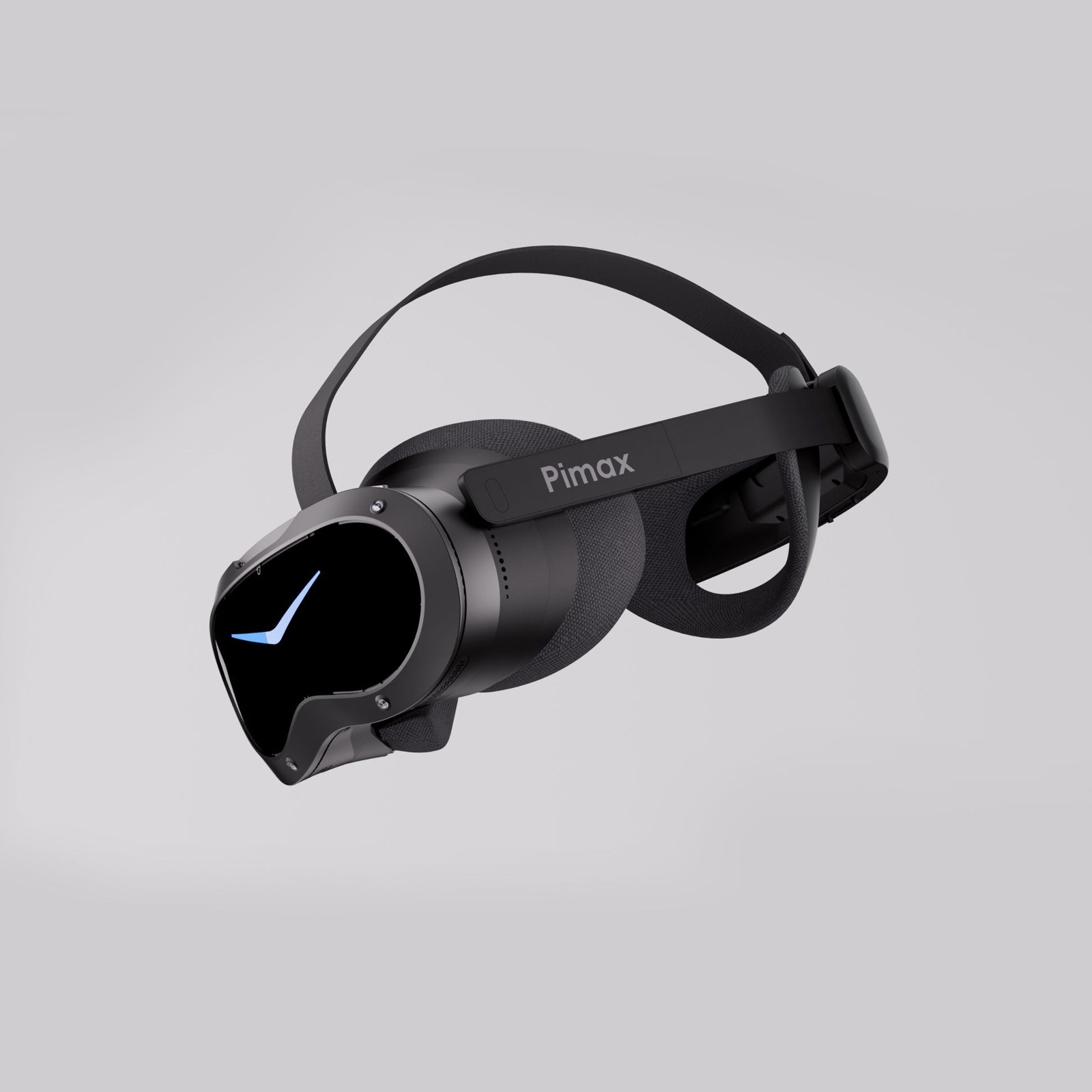
So who is the Crystal Pro for? It’s for anyone who wants rid of the cable, whether that’s for room-scale and standing VR or for a rig that sits a long way from the PC. It’s $1,399 USD, or $1,899 USD with the 60G AirLink, and the kit on its own is $599 USD. Pimax is taking $1 USD reservations now – the dollar is non-refundable, and it takes $20 off the headset or $50 off the bundle at launch. Pimax recommends an RTX 3080 or RTX 4070 or above to drive it. The controllers, the faceplates and the rest of the launch are in our round-up of everything Pimax has announced.
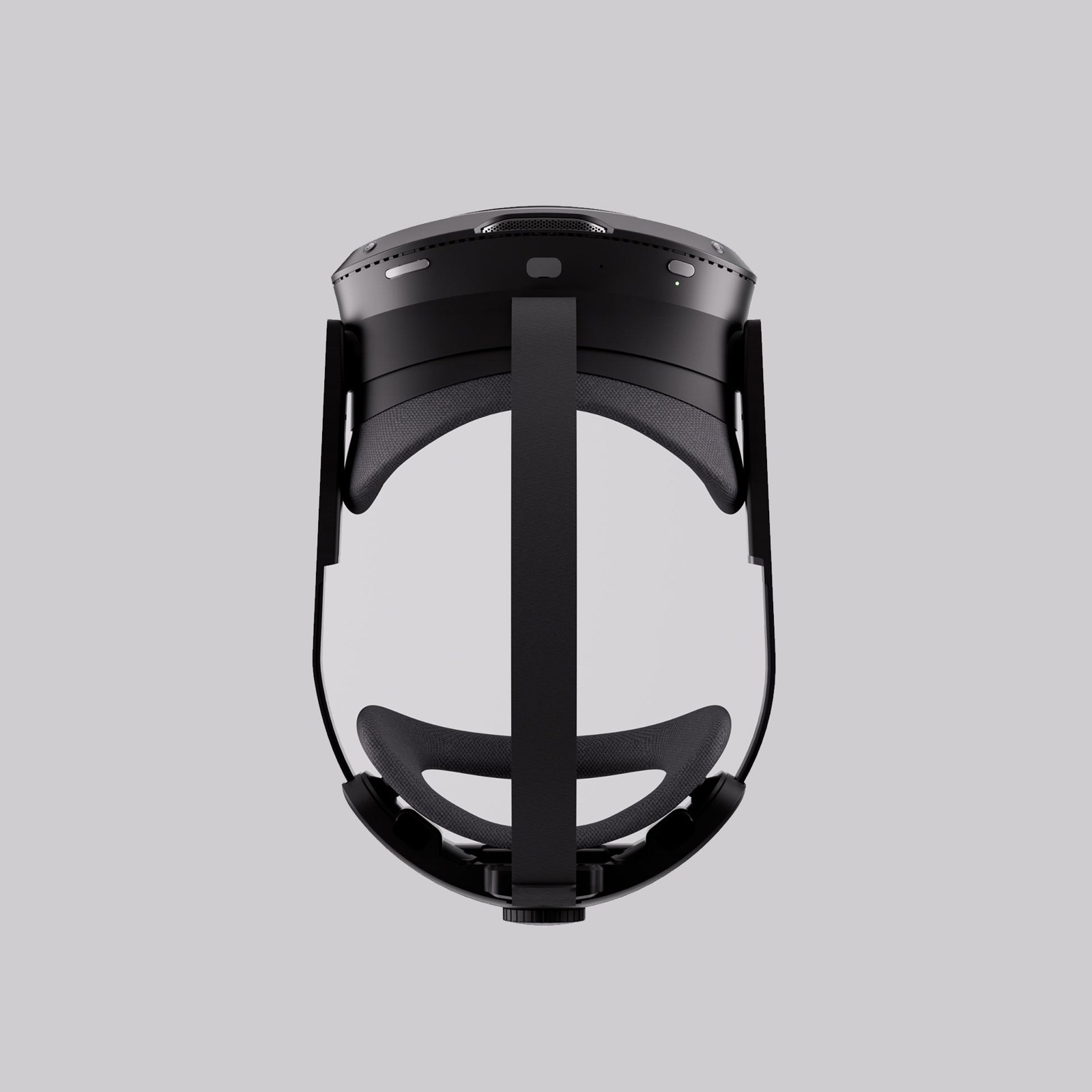
Is the Crystal Pro sharper than what’s on sale now?
The Crystal Pro’s panel is 2880 x 2880 per eye at 35 PPD, and those are the Crystal Light’s figures too. PPD (pixels per degree) is how many pixels sit in each degree of your view. The Dream Air is 3840 x 3552 per eye on a Sony Micro-OLED panel, which is about 13.6 million pixels an eye. The Crystal Super 57 PPD goes further, at 3840 x 3840 per eye on QLED with Mini-LED, about 14.7 million pixels an eye and the most pixels per eye of the five. Both carry more pixels per eye than the Crystal Pro’s roughly 8.3 million, so on Pimax’s own numbers the Pro isn’t a step up in resolution from either of them.
Pimax says the panel is a new QLED one, built for the Crystal Pro, with Mini-LED local dimming across 576 zones per eye. It sits behind the glass aspheric lenses carried over from the Crystal, Crystal Light and Crystal Super. Local dimming means the backlight dims zone by zone for deeper blacks. Beyond those figures there’s nothing to say about its picture yet, because we haven’t seen a hands-on review of one. With an unreleased headset, I’d go with what you know, to avoid disappointment.
The Crystal Super is built so you can swap the optical engine later, between QLED and Micro-OLED. If you want to go with the current state of the art in sim racing and flight simulation, then obviously the Dream Air or the 57 PPD Super are the headsets to own.
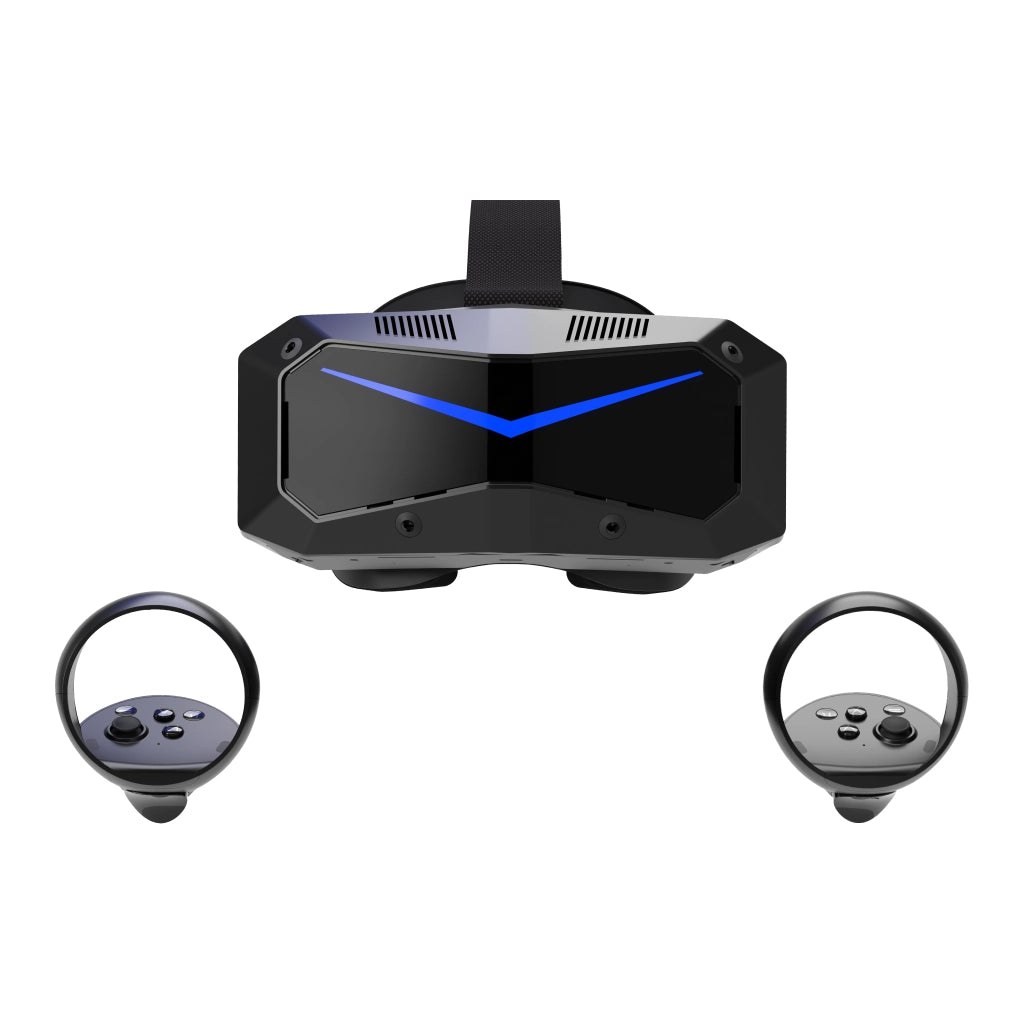
Which one can your graphics card drive?
Pimax’s store landing pages for the Dream Air and Dream Air SE list the same requirement: minimum RTX 2080, recommended RTX 3070 and higher. So the SE’s case for a lower-power setup rests on its resolution. The Dream Air SE is 2560 x 2560 per eye, about 6.6 million pixels against the Dream Air’s 13.6 million, so your graphics card has about half the pixels to render every frame. Both headsets have the eye tracking that drives dynamic foveated rendering as well. For a lower-power setup, the Dream Air SE is the one we’d point you at.
The Dream Air SE has Micro-OLED panels too, a 105-degree horizontal FOV and Tobii eye tracking, and it weighs under 140 g for the headset alone. It tracks with SLAM, with Lighthouse as an option. It’s $899 USD for the Lighthouse / headset-only version, with the base stations bought separately, or $1,199 USD with SLAM and controllers, and Pimax’s store has it on pre-order today. Pimax calls it packed with every feature you’d expect from a high-end PC VR headset, and the most competitively priced in its class.
The Crystal Super 57 PPD has the most pixels to drive, and both of Pimax’s pages for it put the RTX 4090 in their top “Best Experience” tier. Pimax recommends the RTX 3080 / 4070 class for the Crystal Light, and says its fixed foveated rendering and upscaling make smooth play possible even on GPUs like the RTX 2080 or 3070.
What they cost today, and the iRacing bundle
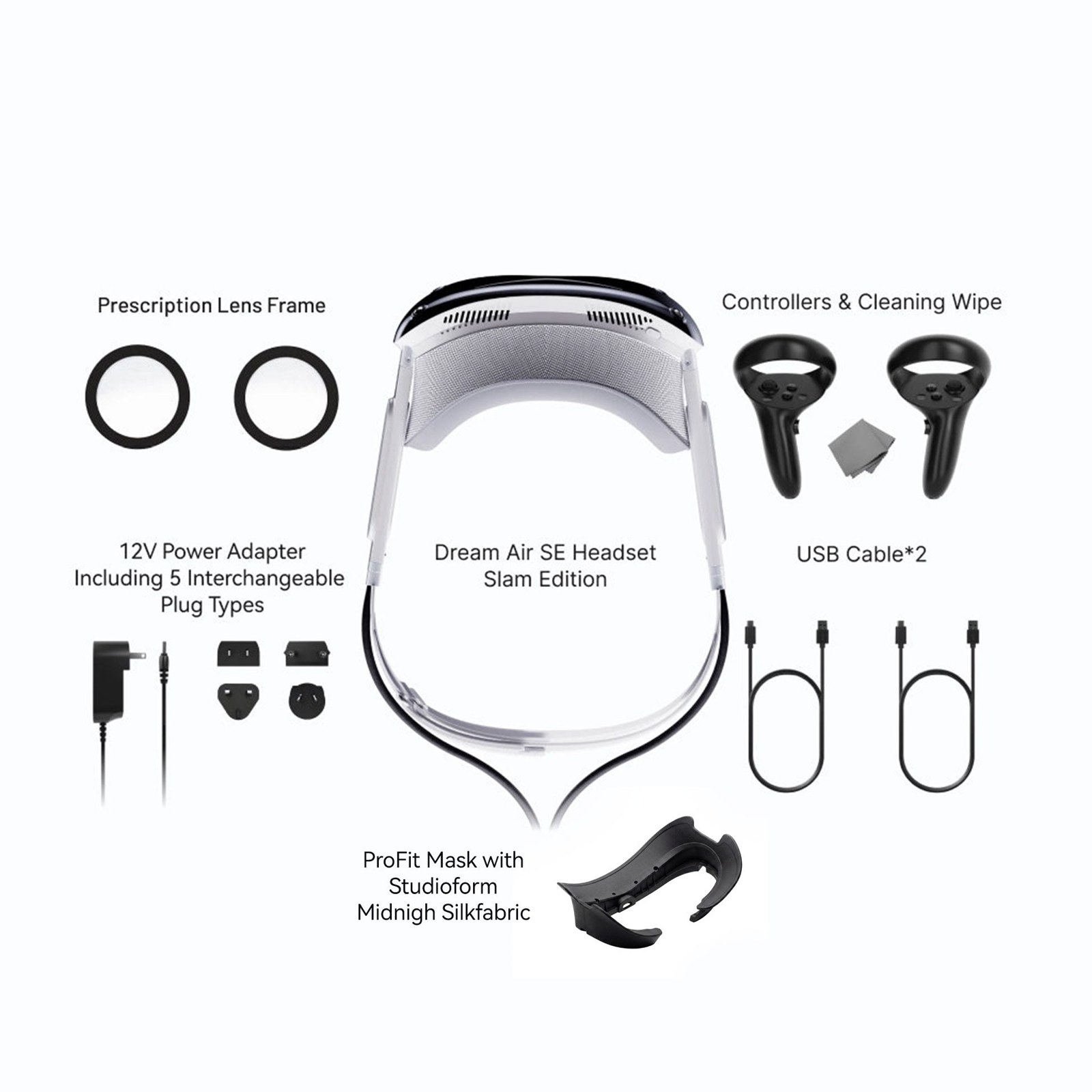
We read these prices on Pimax’s store on 15 October 2026, in US dollars. The Crystal Light is $899, and the Dream Air SE is $899 for the Lighthouse / headset-only version or $1,199 with SLAM and controllers. The Crystal Super is on sale at $1,599, down from a regular $1,799, and that’s the same price for the 57 PPD, 50 PPD and Ultrawide versions. The Dream Air is $1,999 Lighthouse / headset only, or $2,299 for the SLAM version, which is the one with controllers. Pimax has priced the Crystal Pro at $1,399, or $1,899 with the 60G AirLink, and says in its FAQ that shipping is set to start in spring 2027. Prices move, and the Super’s sale has no end date printed, so check the store on the day.
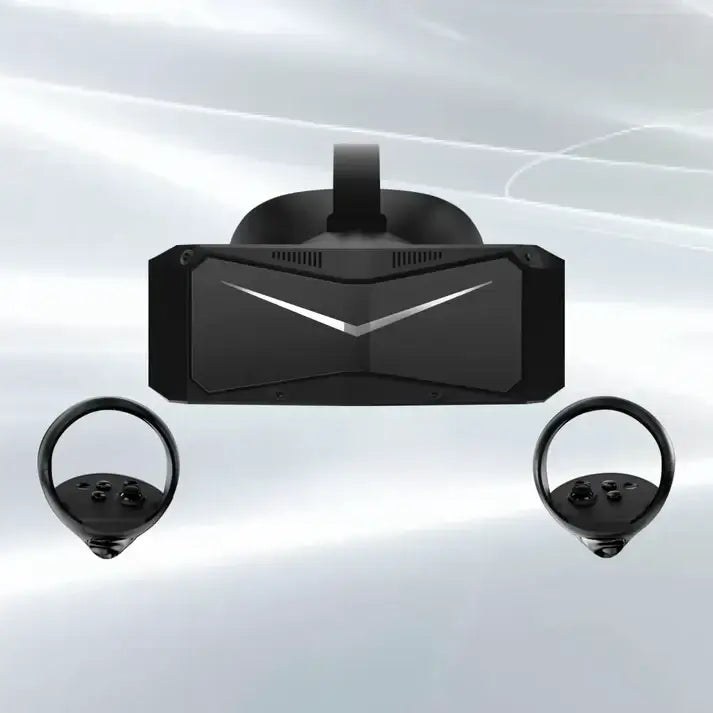
The iRacing bundle is a Crystal Light or a Crystal Super with controllers plus a 12-month iRacing membership code, at the headset’s own price – $899 USD for the Light, $1,599 USD for the 50 PPD, 57 PPD or Ultrawide Super. It’s for new iRacing members only; the code can’t be applied to an existing account, a renewal or a membership extension. The code arrives by email after the headset is delivered and the order verified. The Dream Air, the Dream Air SE and the Crystal Pro don’t qualify.
So which should you choose?
If you want the best VR in your rig now and you’ve a top-end graphics card, then pick the Dream Air or the Crystal Super 57 PPD. The Sony panelled Dream Air is the one I own, and it’s under 170 g for the headset alone. The Crystal Super 57 PPD edges the Dream Air on resolution, and if you’re new to iRacing it’s one of the two headsets the iRacing bundle covers.
If your PC is a step down from that, then pick the Dream Air SE – about half the Dream Air’s pixels to render, at $899 USD or $1,199 USD. If you want in for the least money, then pick the Crystal Light at $899 USD with its controllers, which the iRacing bundle also covers. If you want rid of the cable – room-scale, standing VR, a rig a long way from the PC – then reserve the Crystal Pro for $1 USD and wait for spring 2027.

Not that I have anything but full faith that the next iteration is going to be good. With this logic, shall we wait for the Simucube 4? The MOZA R35 Ultra? There will always be something new – why not get good in VR now – competition in racing waits for no man!
I’ll see you out on track!
Related Articles
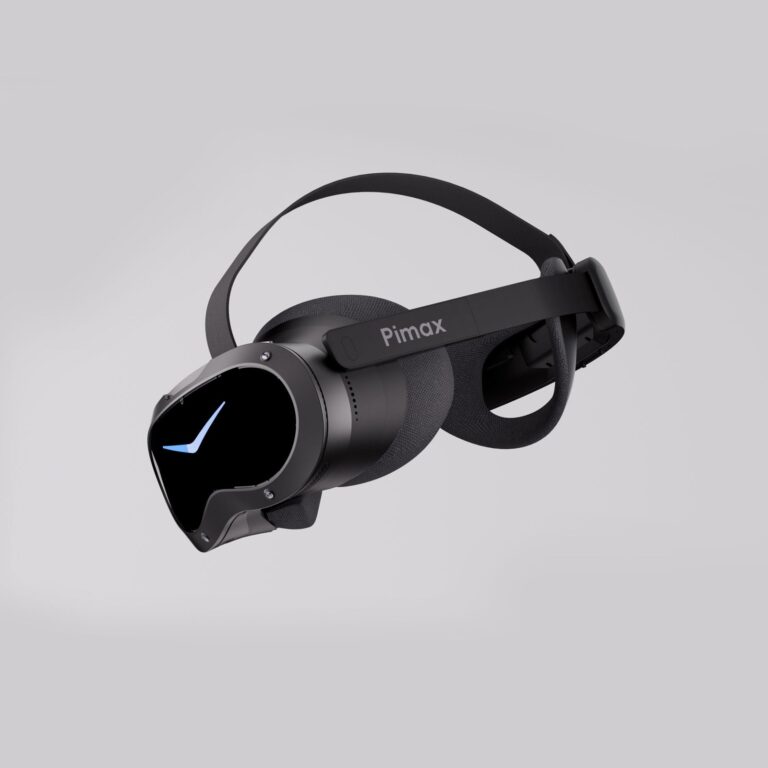
Should Sim Racers Wait for the Pimax Crystal Pro, or Buy Today?
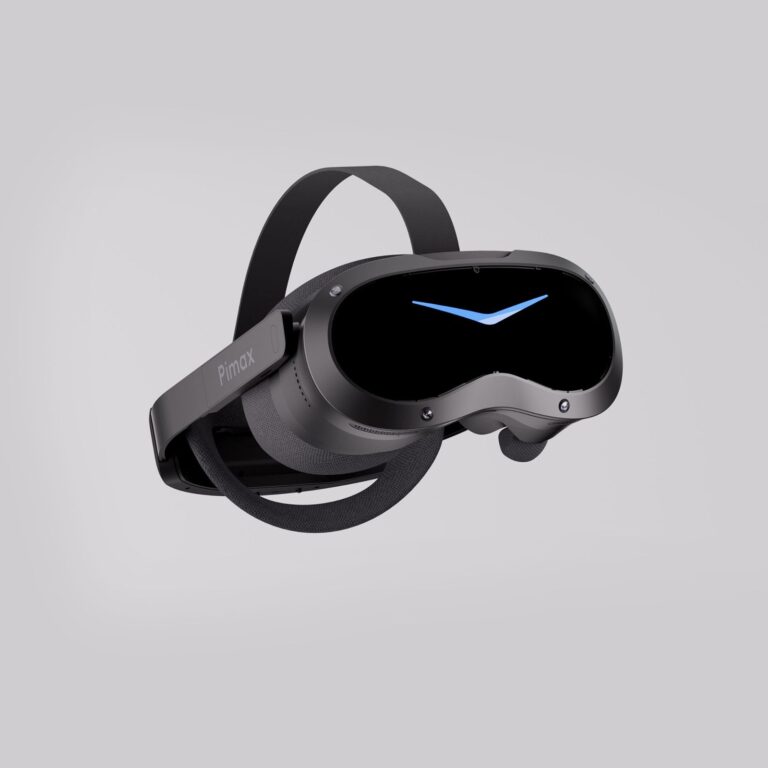
Pimax Crystal Pro: Everything We Know So Far
Bigscreen Beyond 2 for Sim Racing: What to Know in 2026
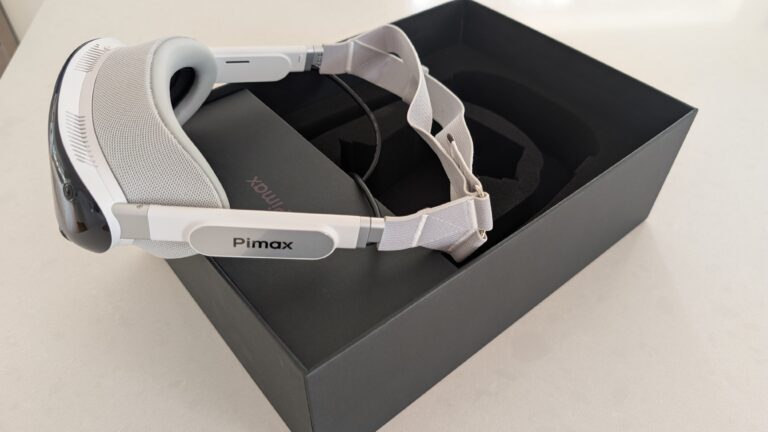
Pimax Dream Air vs Dream Air SE: Which Should a Sim Racer Buy?
SteamVR Base Stations for Sim Racing: Lighthouse vs SLAM on the Pimax Dream Air
How to Install the SBoys3 Driver on the Pimax Dream Air Lighthouse
Topic: VR Headsets