
I’m a sim racer and amateur racer with a passion for Motorsport, good racecraft and the technical and setup aspect of sim racing.
I’ve just pulled the screens out of my Crystal Super and put different ones in. That sentence still sounds mad to me, and I’ve done it. The Super is the only VR headset you can buy where the whole display assembly slides out and another one slides in, and the micro-OLED module puts the same Sony panels and pancake glass from the Dream Air into it. It’s $1,199, the job takes about three minutes, and there’s one catch that could cost you the entire price of it if you get it wrong.
Quick Navigation
Jump directly to what you’re looking for:
What you’re buying |
How to do the swap |
The catch |
What changes |
Your old engine |
Is modular real? |
Who should bother
What you get in the box
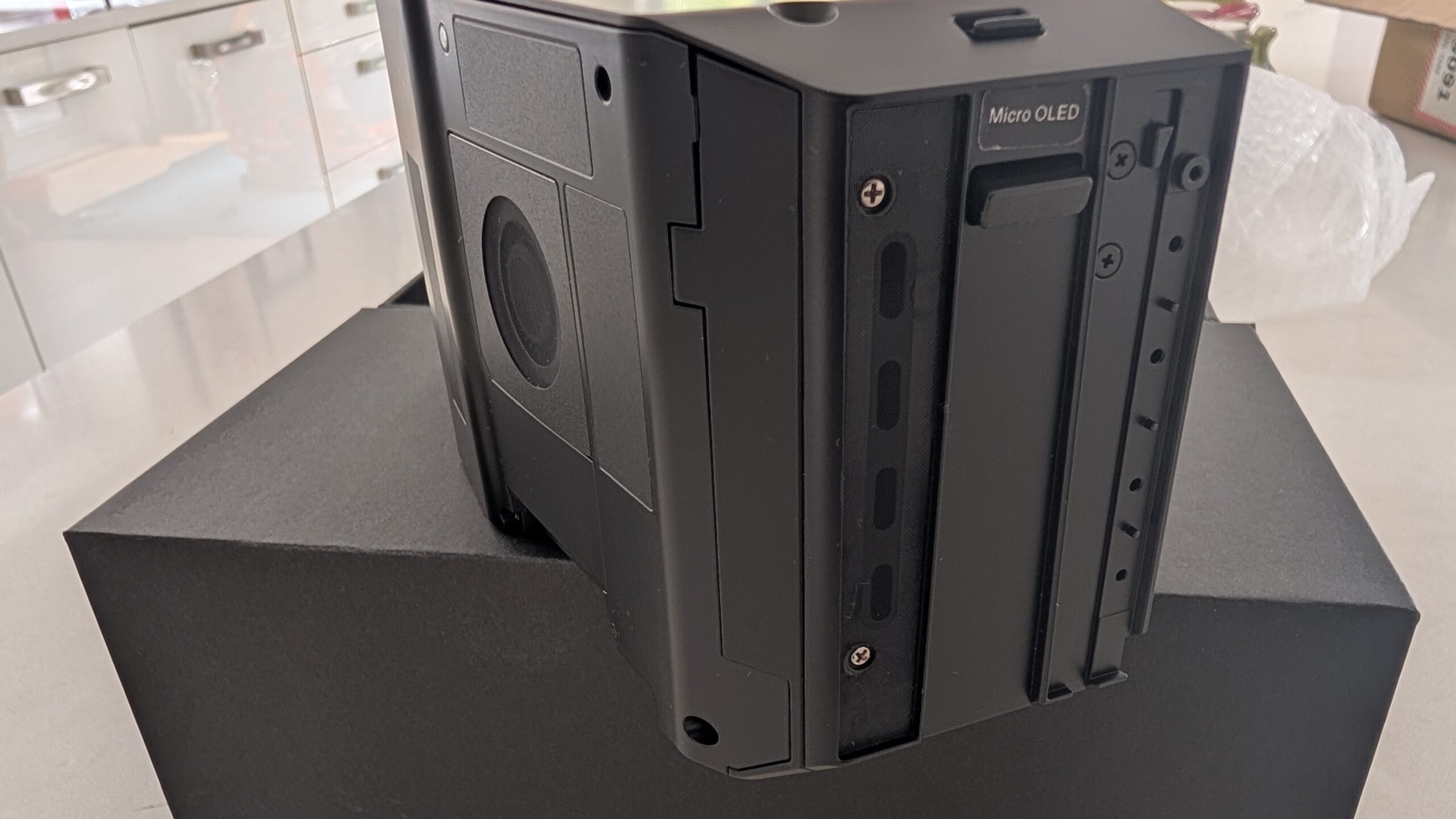
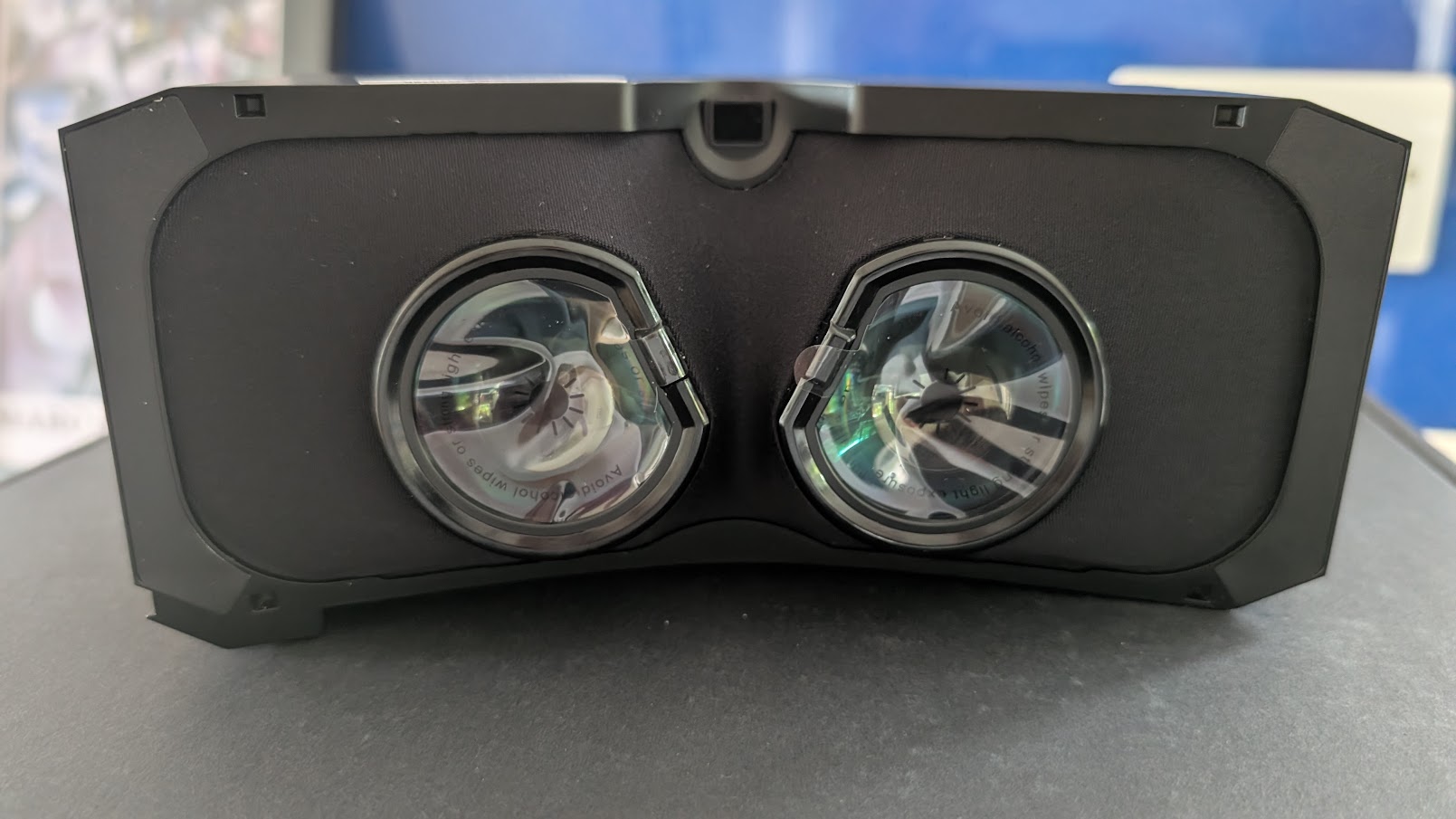
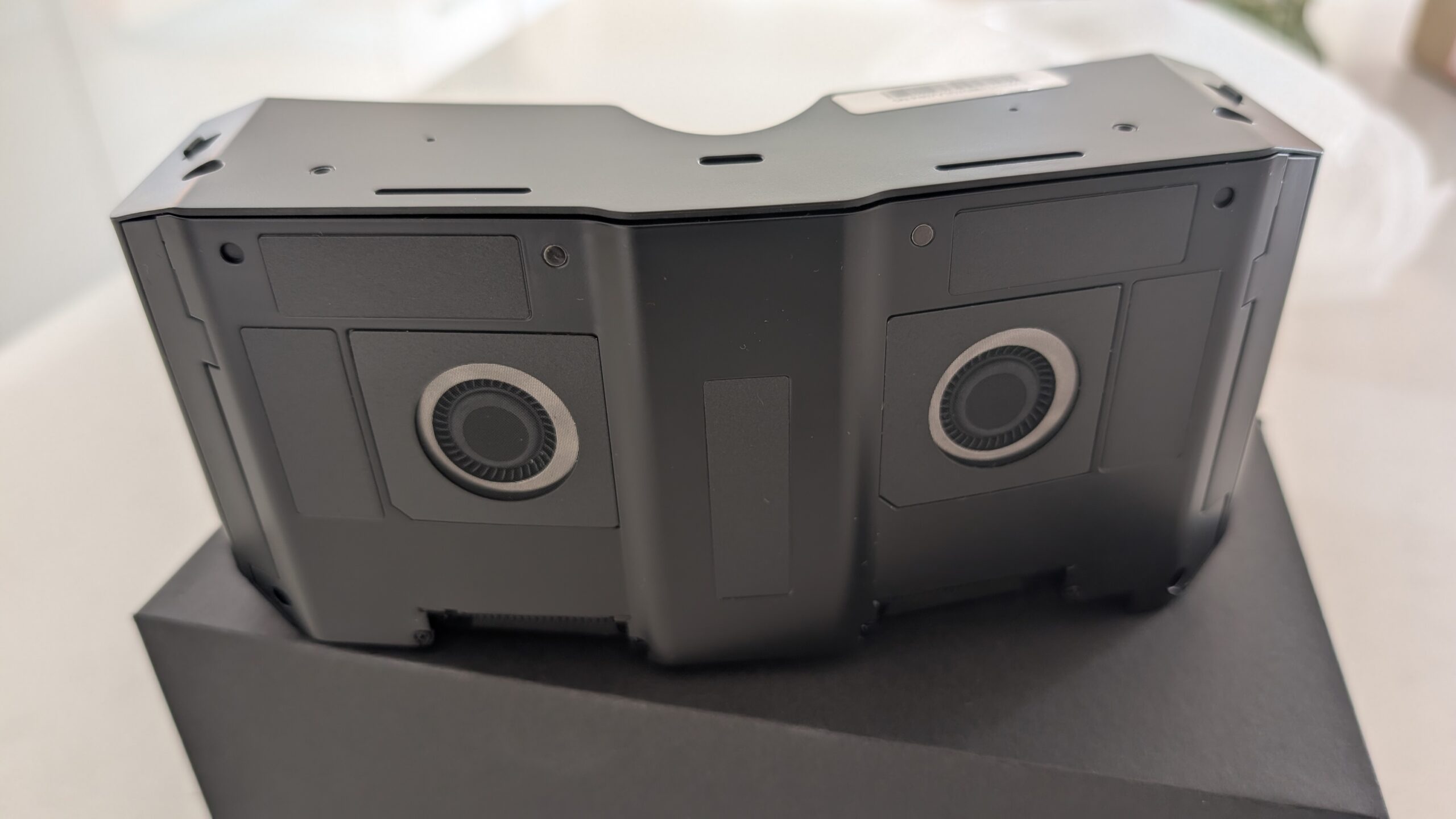
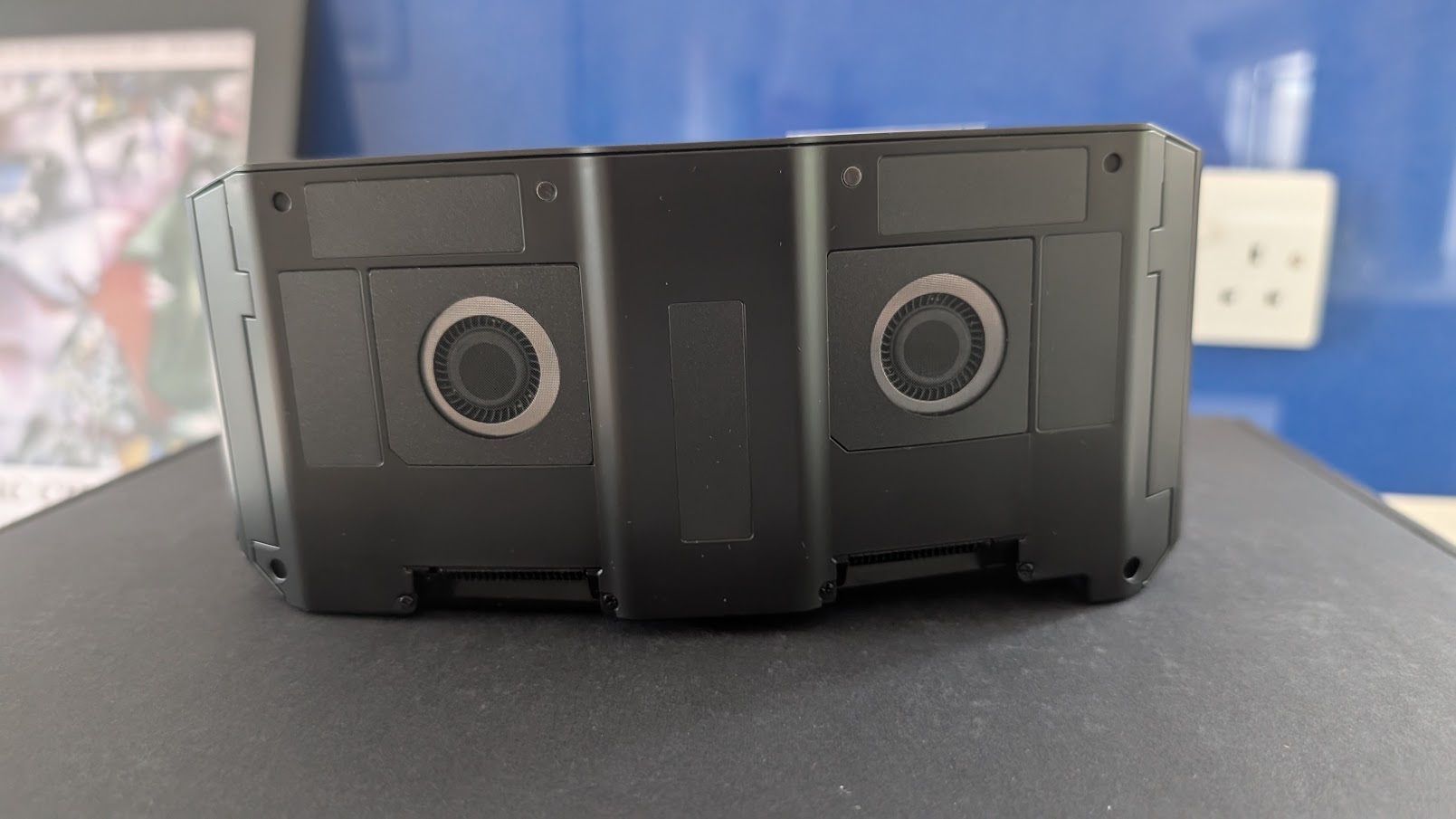
Open the box and there’s no headset in it, which takes a second to process if you’ve only ever bought VR the normal way. What you get is the front half: two Sony micro-OLED panels, a pair of glass pancake lenses, the speaker pods, and the rails and connector that mate into the Crystal Super’s chassis. Everything else stays where it is. The strap, the cable, the tracking, all of it carries on being whatever it already was.
The Crystal Super takes four of these. A 50 PPD QLED, which is what mine shipped with and what most people are running. A 57 PPD QLED that trades field of view for pixel density. An ultrawide. And this one, the micro-OLED, which Pimax say shares its optical stack with the Dream Air.
That last detail mattered to me before I ordered, because I’ve been racing a Dream Air for weeks and the Dream Air’s picture is these panels behind this glass. I already knew what was coming. The question was only whether I could get it into a headset I preferred wearing.
How to do the swap
Right. This is the bit you came for, and the good news is that it’s easier than putting a graphics card in a PC. No tools. Nothing to unscrew, nothing to solder, no firmware to flash.
Power everything down first and unplug the DP cable at the headset end. Pimax are specific about this in their own support article and I’d listen to them, because you’re about to separate a live display connector from a device that cost you two grand. Thirty seconds of patience against that. Easy trade.
Then the face foam comes off. Squeeze one side inwards, lift it slightly, squeeze the other side, and the whole gasket peels away in your hand. It feels alarmingly like you’re breaking something the first time. You aren’t. It’s just a friction fit with a few notches holding it, and it’s meant to come off.
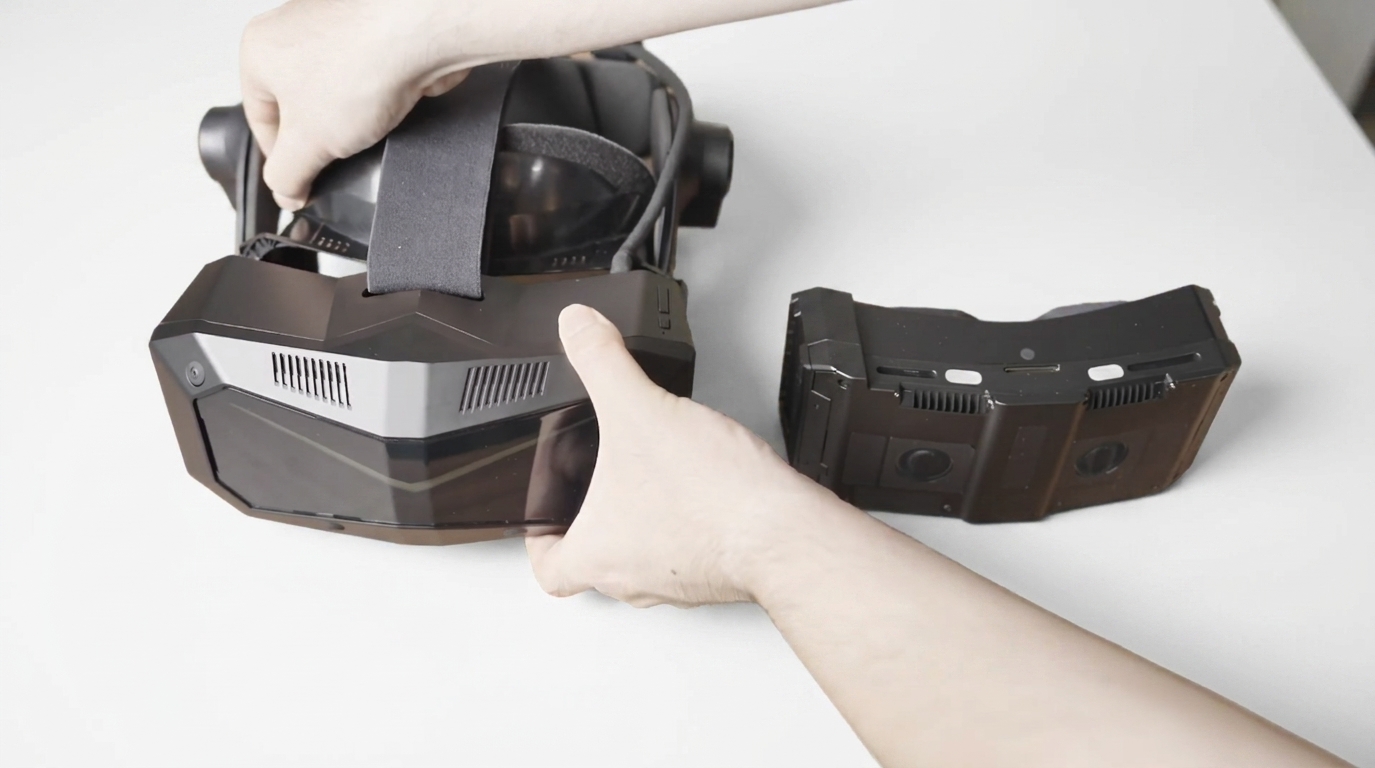
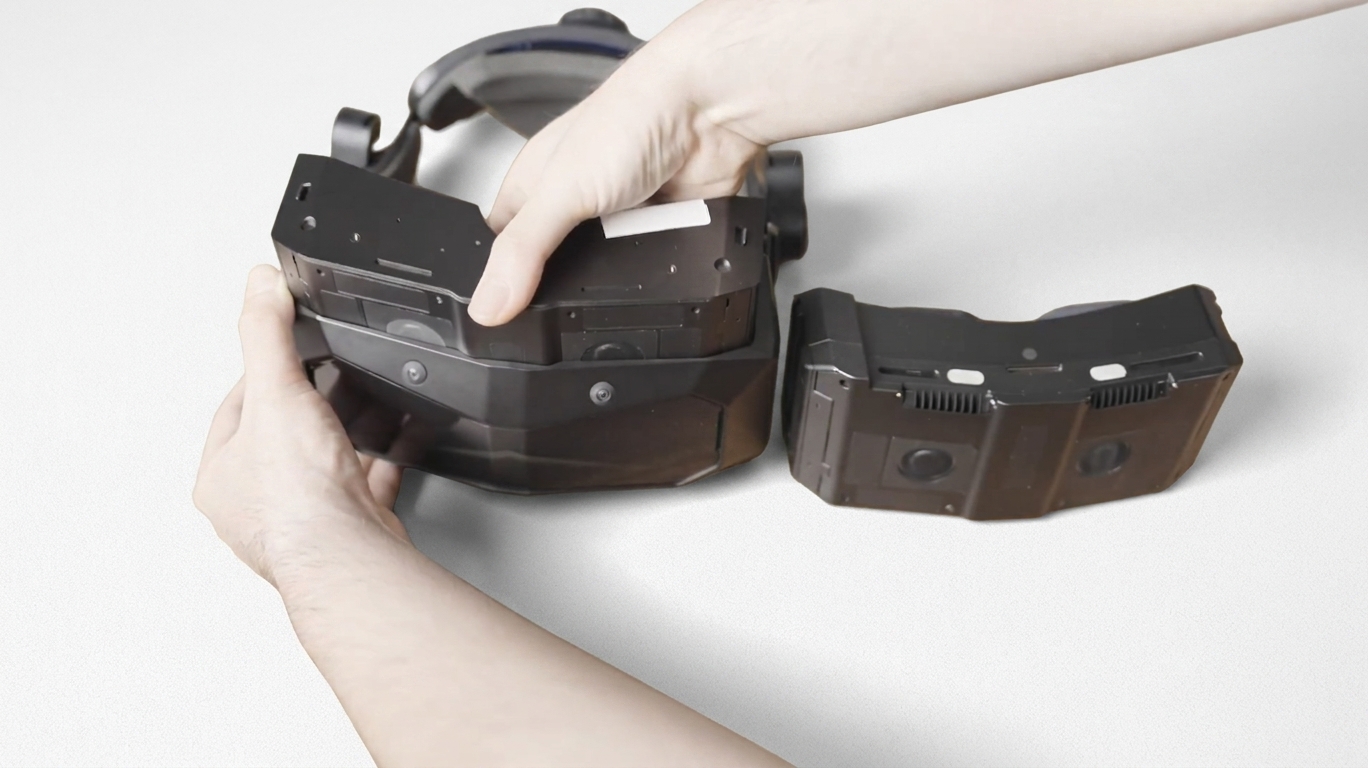
With the foam off you can see two little toggles, one either side of the front housing. Release one, release the other, and the optical engine slides straight out of the chassis. That’s it. That’s the whole trick the Crystal Super is built around, and it’s about as dramatic as taking a lid off a box.
The new engine goes in the same way in reverse, and the only thing to get right is orientation: make sure the connector face is pointing downwards so it lines up with what it slots into. It seats with a bit of a push and you’ll feel it go home. Then the face foam back on, notches first, which push in easily, and then the outer edges, which need a bit more force. Not a lot. If you’re really having to lean on it, stop and check you’ve got it square.
Plug the DP cable back in, power up, and Pimax Play sorts itself out. Do rerun the eye tracking calibration afterwards though. It takes a minute and it means dynamic foveated rendering is working against where your eyes actually are rather than where they were through the old glass.
Start to finish it’s about three minutes, and I’d say two and a half of those are you being careful. The people who’ve documented it land on the same word I did, which is that it’s slightly nerve-wracking but straightforward. Nothing about the job is hard. It’s just that you’re pulling the screens out of a headset that cost the same as a decent holiday, and your hands know it.
The catch, and it’s a proper one
Before you spend twelve hundred dollars on one of these, check your headset’s serial number. Pimax explain why in an April blog post. It isn’t on the product page.
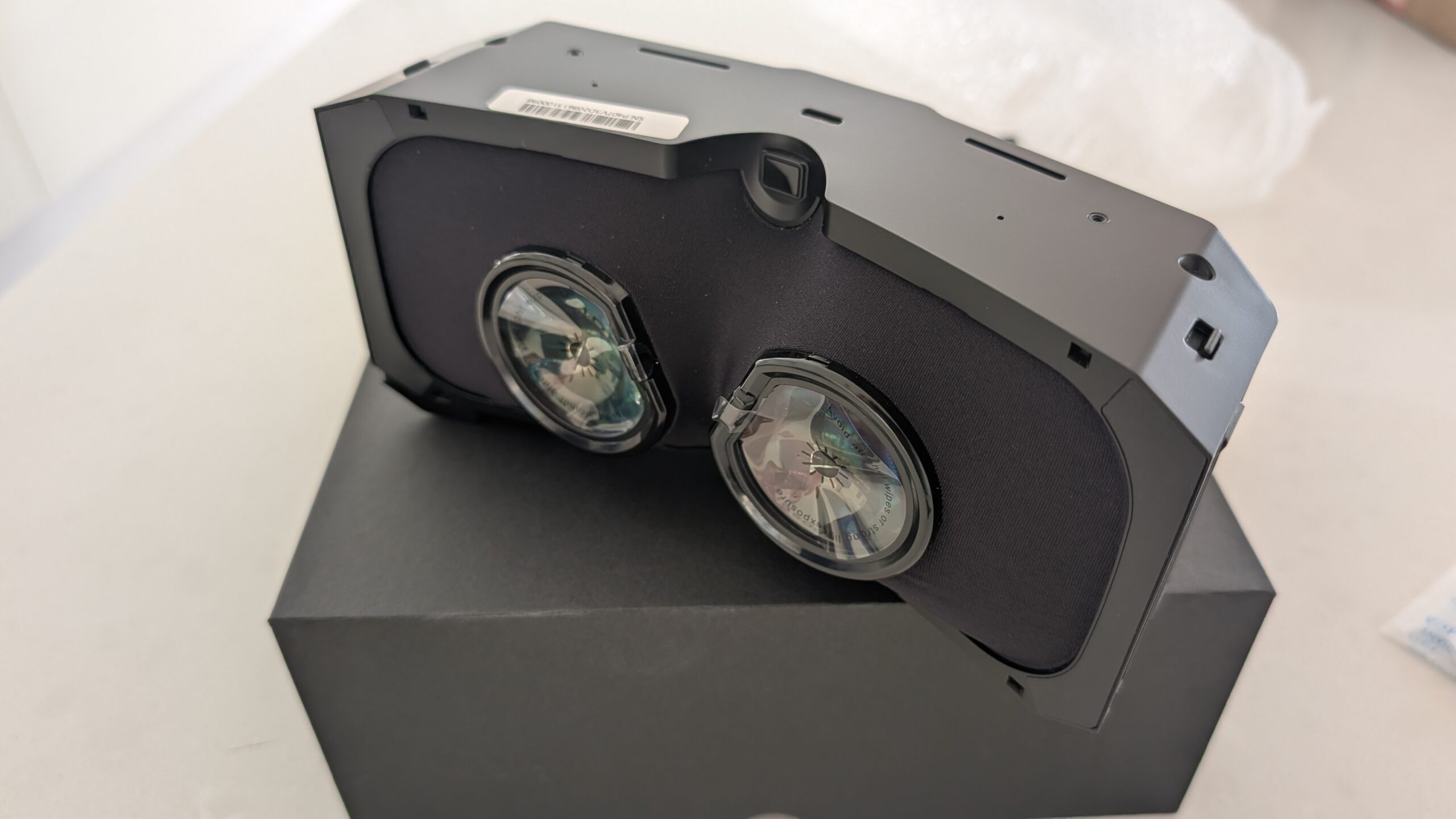
The 70-pin connector that joins the engine to the headset has been discontinued by whoever was making it for Pimax. They’ve moved to a new connector from a new supplier, and in their own words it “is not compatible with the original 70-pin connector, which means there will be two variants of the Crystal Super (and its optical engines) in production and circulation”. Two versions of the same headset, out in the world, with plugs that don’t fit each other.
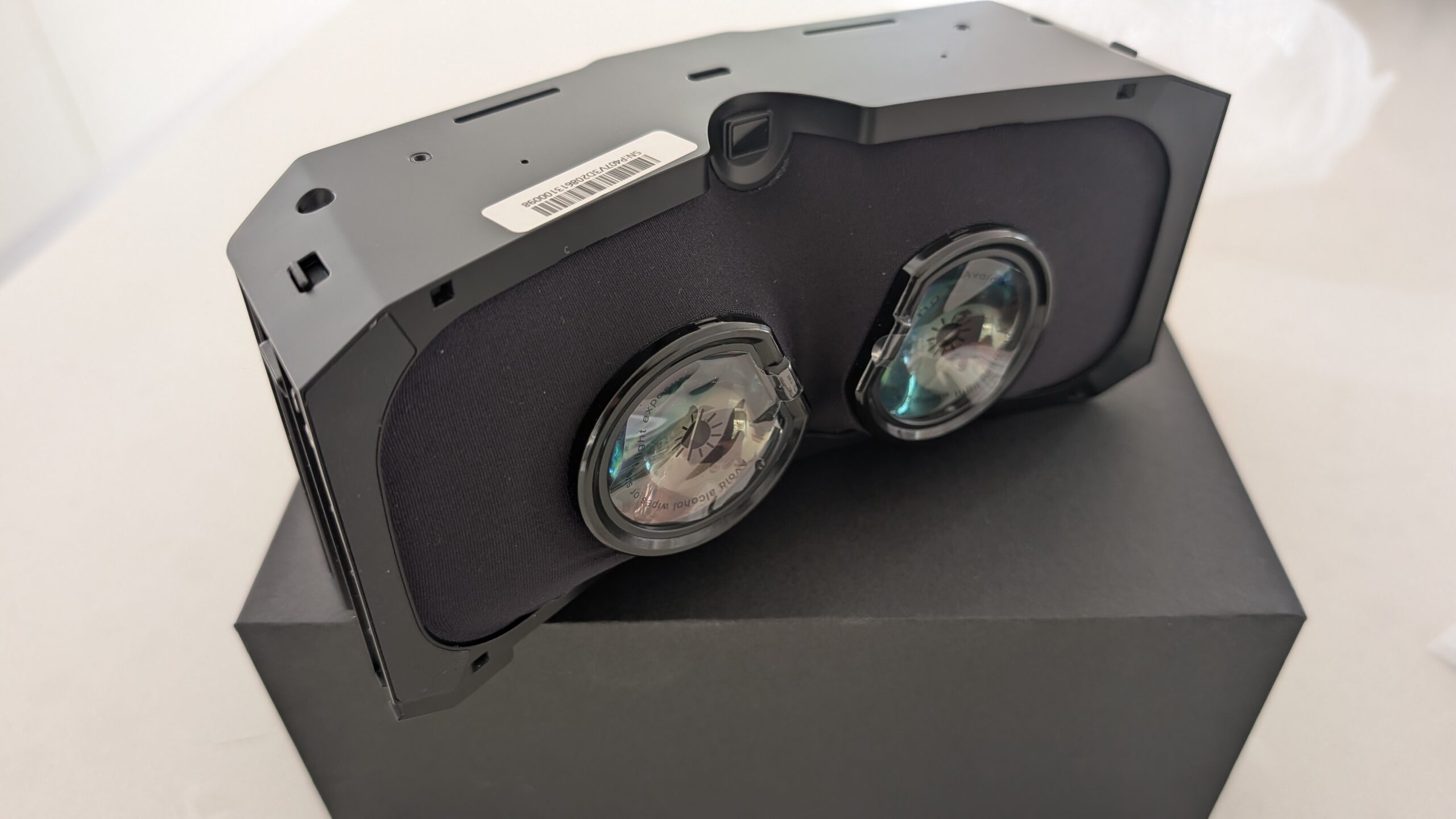
Pimax put the warning in their own replacement guide, in bold, telling you to confirm the connector versions match “in order to avoid installation issues or damage to the device”. Damage to the device. That’s their phrasing, not mine, and it’s the reason I’m making a fuss about a plug.
If you bought a complete headset you’re fine, because the engine and chassis were matched at the factory. If you’re buying a loose engine, give Pimax your headset’s serial number when you order and they’ll send the right one. And if you’re buying second-hand, which at these prices plenty of people will, you’re taking a punt on a plug. Pimax say support will sort you out and I’ve no reason to doubt they’d try, but that’s a conversation you’d rather not be having with a module already in your hands.
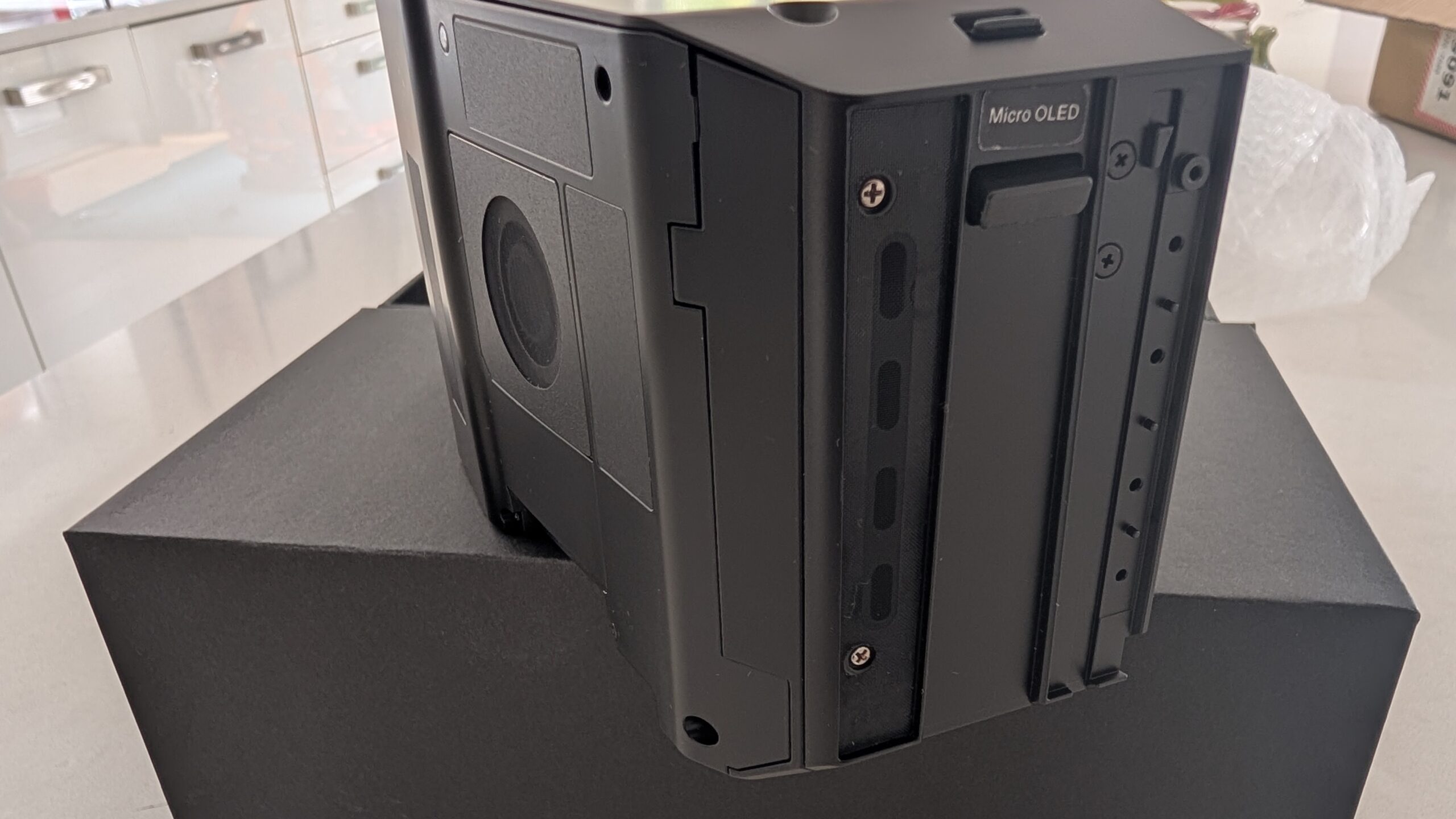
None of this is Pimax being cavalier. A supplier discontinued a part and they’ve handled it in the open, which is more than plenty of manufacturers manage. But it does put a seam through the middle of the modularity promise. If you take one thing from this article, make it the serial number. Quote it when you order.
What changes when you put it in
This isn’t a straight upgrade and I’d be doing you a disservice if I sold it as one. Pimax themselves put it more bluntly than I would have dared: “except for contrast ratio and size, all specifications of QLED are better than Micro-OLED”. Which is a remarkable thing to write about the module you’re charging twelve hundred dollars for, and I rather admire them for it.
| Specification | 50 PPD QLED (what I had) | Micro-OLED (what’s in there now) |
|---|---|---|
| Panel | QLED + miniLED, local dimming | Sony micro-OLED |
| Resolution per eye | 3840 x 3840 | 3840 x 3552 |
| Lenses | Glass aspheric | Glass pancake |
| Refresh rate | 70 / 90Hz | 72 / 90Hz |
| Blacks | ~1,000 dimming zones per eye | Per-pixel, properly off |
| Weight | Heavier | Around 115g lighter |
| Price | Came with the headset | $1,199 as a module |
The blacks are the reason you do this and they land immediately. First thing I did was a night stint, because of course it was, and the difference between a black that is properly black and a black that’s dark grey with a halo round the headlights is not subtle. Brake lights and lit dials glow the way they should against a cockpit that’s genuinely dark rather than faintly lifted.
What surprised me is that the benefit isn’t really the pretty bits. It’s that I can see into shadow. A braking marker under a bridge, the edge of a kerb in the gloom at the end of a stint, a car sitting in the dark part of the pit exit. On a backlit panel those all sit in the same lifted grey mush. On OLED they separate, and you drive better for it. I didn’t expect a contrast upgrade to be a lap time thing.
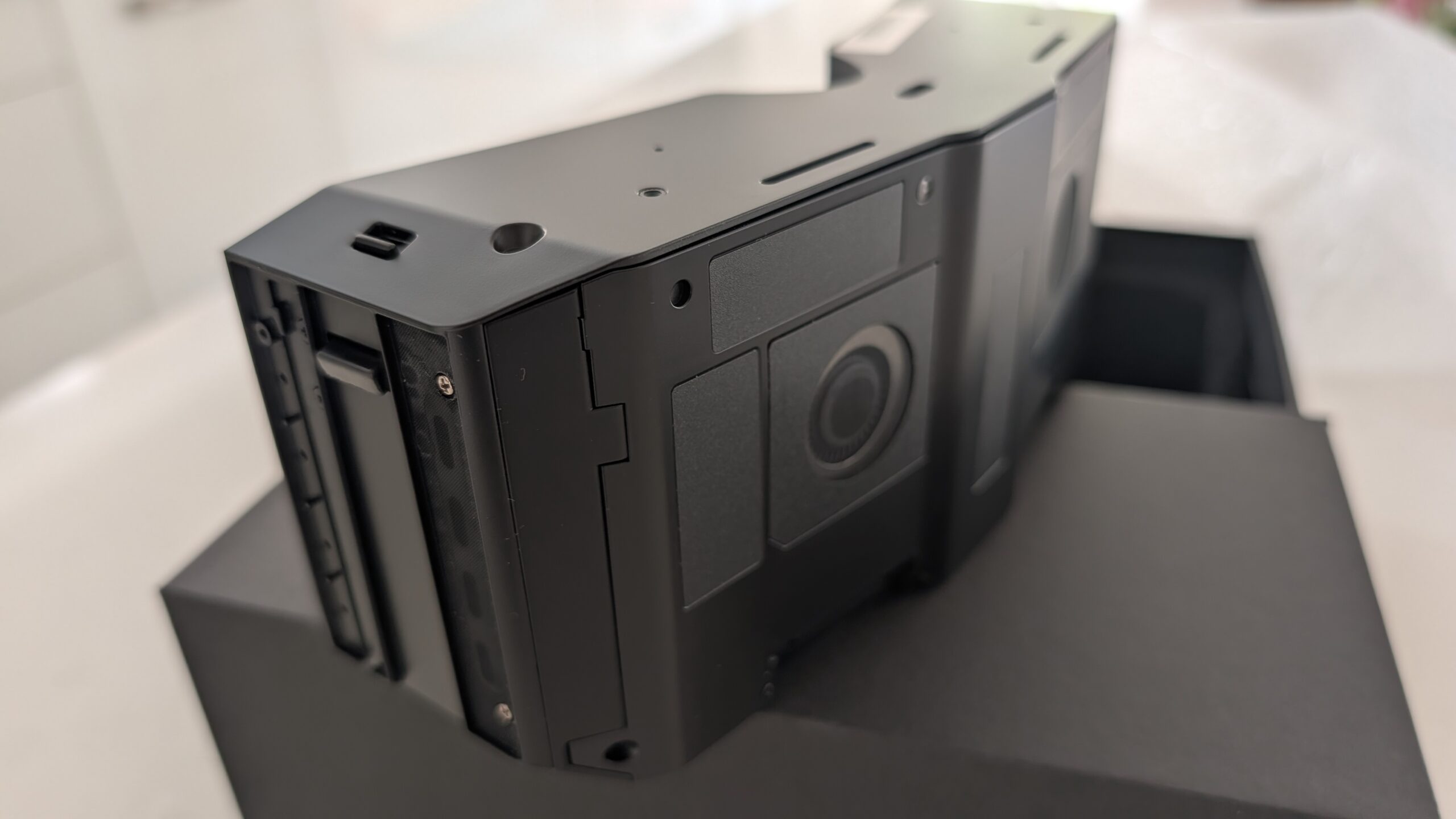
The weight is the other thing you notice in the first five minutes, and not in the way I expected. 115 grams doesn’t sound like much and it isn’t much on a set of scales. But it comes off the very front of the headset, so what you feel is less inertia when you turn your head. The Super stops carrying on moving after you’ve stopped. Checking a mirror or looking into an apex is a smaller gesture than it was.
Now the honest part, because pancake lenses bring their own problem. You get glare. Internal reflections in high-contrast scenes, so a bright light against a dark background can throw a bit of a halo of its own. It’s a different artefact from the QLED’s backlight bloom rather than a straight improvement on it, and on the odd night scene with harsh lighting I’ve caught myself thinking the old engine handled it more cleanly. Not often. But I’d be fibbing if I said the OLED wins every single frame.
And you give up width. On the field of view I have to be honest with you because the published numbers are a mess: my review of the Super recorded 127 degrees horizontal for the 50 PPD, Pimax’s current engine page says 135, and independent measurement puts it at 126. For the micro-OLED I wrote 116 at the time and Pimax now publish 102. I can’t reconcile that and I’m not going to pretend otherwise. What’s certain is the direction. The OLED engine is the narrow one, and if you love the wide view you will notice losing it.
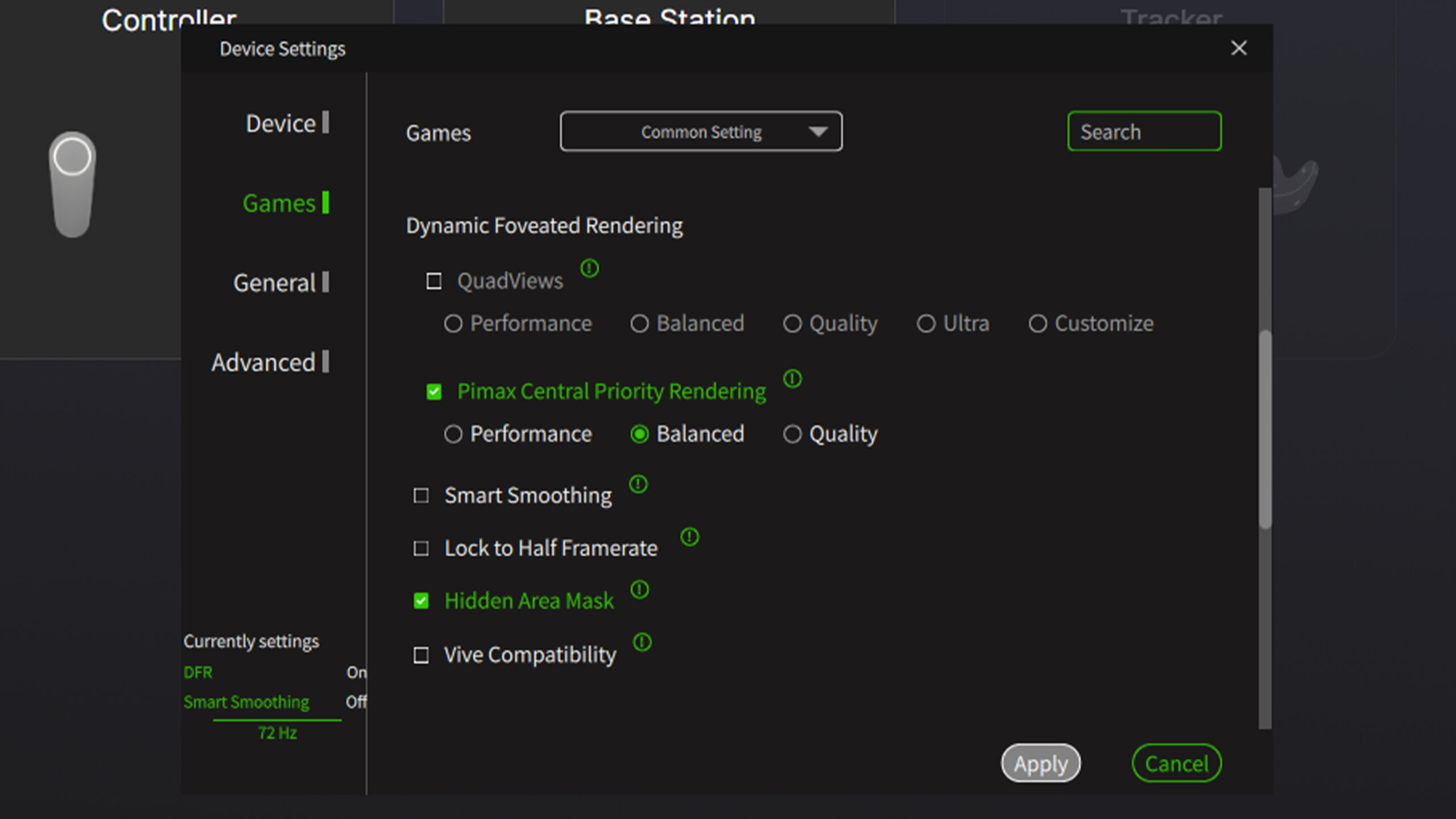
There’s a consequence of all that which nobody seems to mention, and for a sim racer it might be the best part. The OLED engine is pushing fewer pixels. Slightly fewer vertically, and the narrower view takes another bite on top. Your graphics card is doing less work for the same headset, so if you’ve been running your Super at reduced resolution to hold 90Hz, this engine hands some of that back rather than costing you more. Which is a strange thing to be able to say about an upgrade.
And what do you do with the old one?
This is the question I kept coming back to before I ordered, because it changes the maths completely. Swap the engine and you’re left holding a perfectly good 50 PPD QLED module with nowhere to live. It isn’t a spare part in any normal sense. It’s half a headset.
I’ve kept mine, and I think that’s the right answer for most people. What you’ve got is two headsets in one, three minutes apart, depending on whether tonight is a daylight sprint or a rain race at Spa in the dark. Sell it instead and you’re into the second-hand market that connector change has just made awkward, because your buyer needs to know which plug they’re getting and they’ll be right to ask.
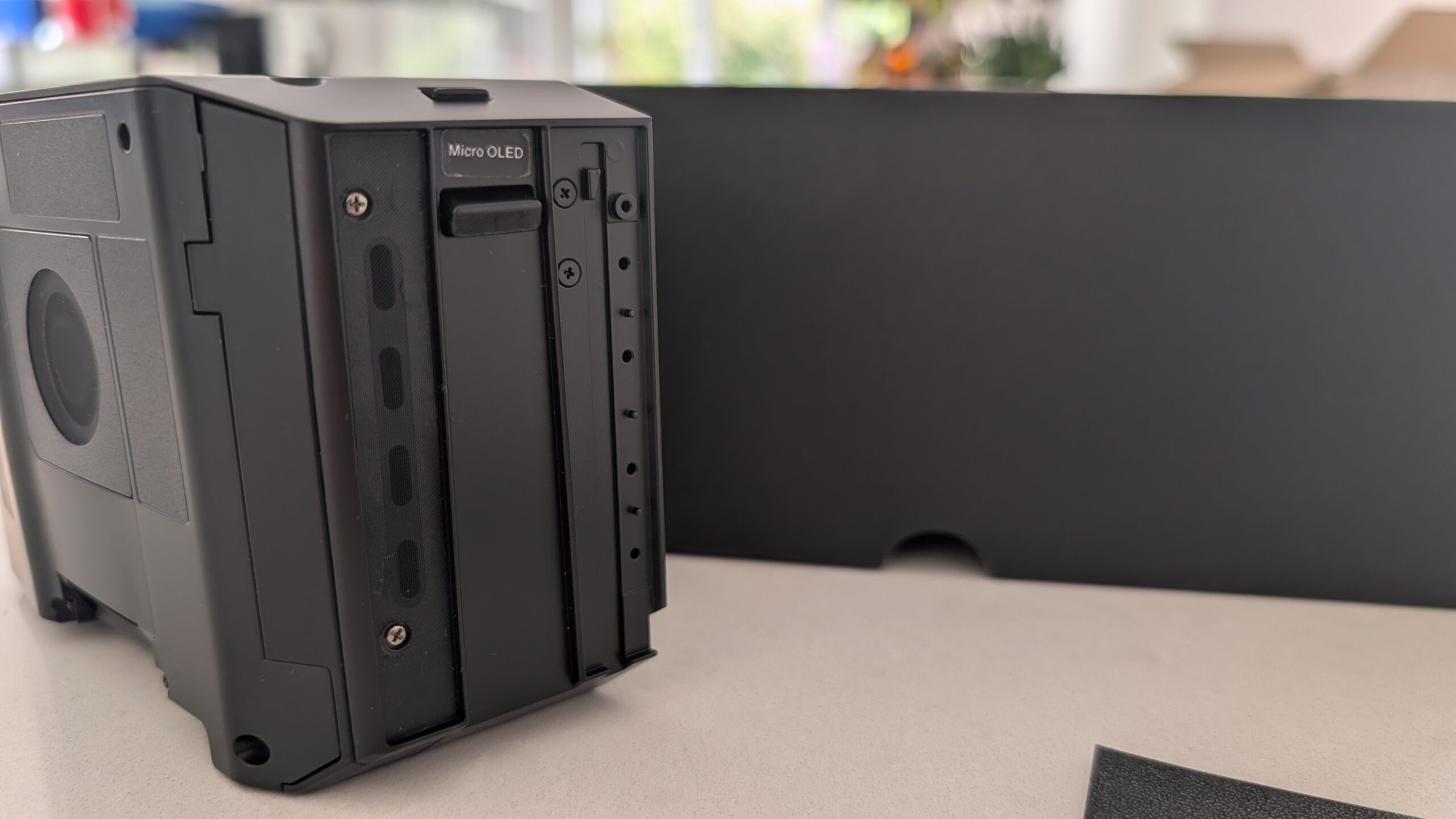
Not every engine is worth buying, mind. The jump from 50 to 57 PPD is the one I’d steer people away from, and the testing I’ve seen backs that up hard: the 57 gains you sharpness in a small central patch and loses you about 17% of your field of view, drops binocular overlap, throws visible RGB fringing at the edges, and even picks up a bit of ghosting the 50 PPD doesn’t have. It renders roughly half the pixels, so it’s a real win if your GPU is struggling. Otherwise the 50 PPD is the better all-rounder and it isn’t close. The OLED swap is different because it changes the panel technology rather than a number, and that’s why it’s the one people talk about.
So is swappable real, or is it marketing?
When I reviewed the Crystal Super last September I was polite about the modular idea and quietly unconvinced. I wrote that the display assembly could be removed and replaced, “theoretically allowing users to upgrade optics without purchasing a completely new headset”, and that future micro-OLED engines “could potentially slot into the existing framework”. Theoretically. Could potentially. You can hear me hedging from here.
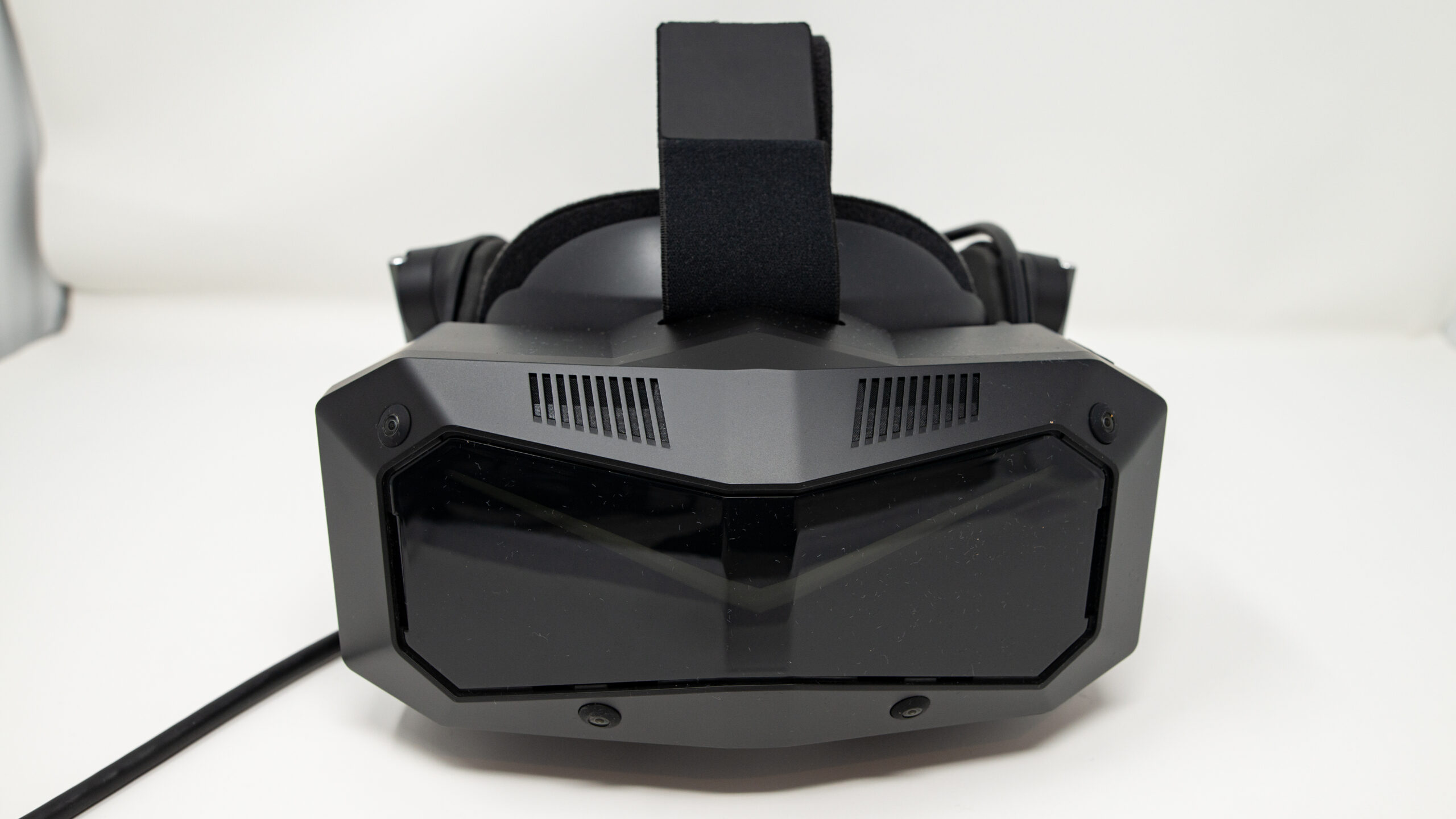
And I must say, I’m pleased to be wrong on this one. Wow. It shipped, it works, and it took me three minutes on a Tuesday evening. My eighteen month old headset now has this year’s panels in it for a thousand dollars less than a new one, and there is nothing else in VR you can say that about. Every other headset I’ve owned went out of date in one piece.
What I’d stop short of is calling it solved. A modular platform with two incompatible connectors circulating is a platform still finding its feet, and the second-hand market for these engines is going to be messy for a while. So, we’ll see. Ask me again in a year.
Who should bother
If you race at night, or in the rain, or you spend your evenings at Spa in the dark, this is the upgrade. It’s the biggest visual change I’ve had in VR in years and it’s the one I’d do again tomorrow.
If you race in daylight, mostly GT3 in the afternoon sun, I’d think harder. You’d be giving up resolution and a chunk of field of view to fix a problem you don’t have very often, and you’d be taking on pancake glare to do it. The 50 PPD engine is bright and sharp and wide, and it is very good at exactly that job.
And if you’re buying a Crystal Super from scratch today rather than upgrading, do the sums before you get clever. A headset plus a spare engine is a lot of money, and the complete micro-OLED version at $2,199 is only a thousand more than the module on its own. Buy the one you want in the box it comes in. Our Crystal Super review covers the headset itself, and the Dream Air review is the same picture in a smaller shell if you want a look at these panels first.
Reader discount: use code simracingcockpit at the pimax.com checkout for 2% off, or simracingcockpit25 for $25 off. Whichever suits your basket.
Should Sim Racers Wait for the Pimax Crystal Pro, or Buy Today?
Pimax Crystal Pro: Everything We Know So Far
Bigscreen Beyond 2 for Sim Racing: What to Know in 2026
Pimax Dream Air vs Dream Air SE: Which Should a Sim Racer Buy?
SteamVR Base Stations for Sim Racing: Lighthouse vs SLAM on the Pimax Dream Air
How to Install the SBoys3 Driver on the Pimax Dream Air Lighthouse
Topic: VR Headsets