
I’m a sim racer and amateur racer with a passion for Motorsport, good racecraft and the technical and setup aspect of sim racing.
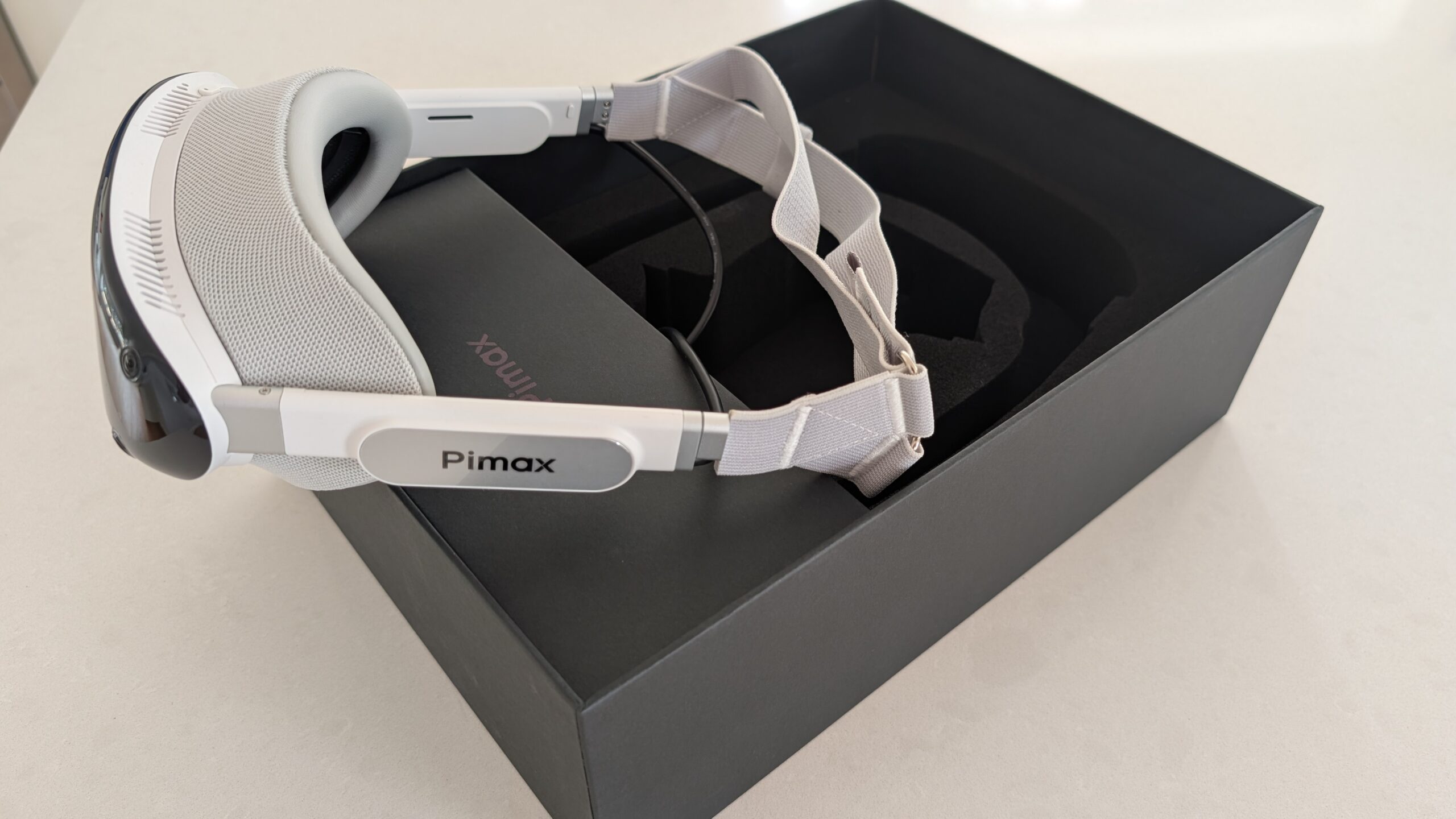
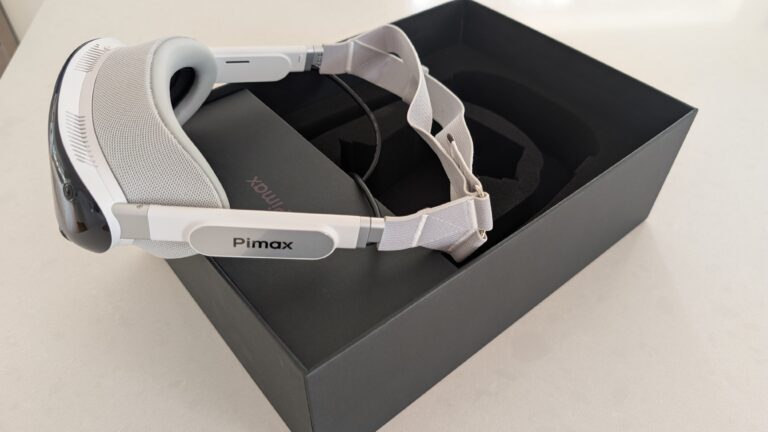
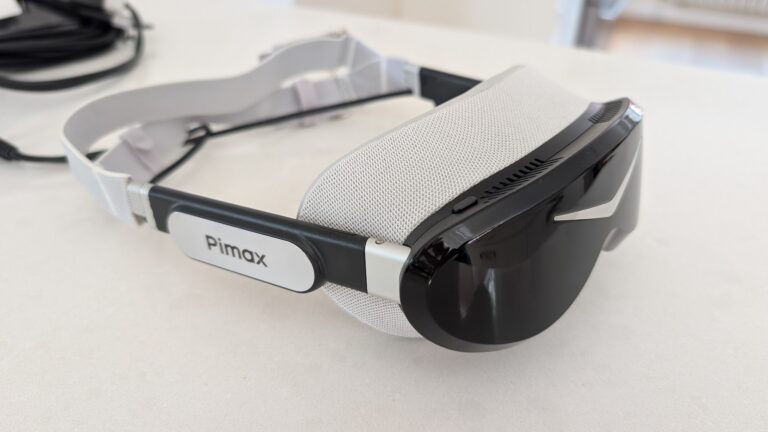
I’ve had both of Pimax’s Dream Air headsets on my rig: the Sony panelled Dream Air, in its Lighthouse and SLAM versions, and the Dream Air SE in its SLAM version. The Sony panelled Dream Air is the better headset and, if you’re a serious sim racer with a top-end graphics card, it’s the one to buy. For most people, though, it’s the SE, because it’s much less power hungry and it costs about half as much. I don’t think the SE is a device we should be judging against the Dream Air at all, because which one suits you is more about what sort of gamer you are than what the spec sheet says.
Pimax discount codes: use SIMRACINGCOCKPIT for 2% off, or SIMRACINGCOCKPIT25 for $25 off, at pimax.com.
Quick Navigation
Jump directly to what you’re looking for:
What they share |
Which one can your graphics card drive? |
Is the Dream Air worth twice the price? |
The picture |
Glare, blur and FOV |
Coming from a Quest 3 |
So which should you choose?
What the Dream Air and the Dream Air SE share
The Dream Air and the Dream Air SE have a lot in common, starting with the body, which is identical apart from the colour. The strap, the audio and the split DisplayPort cable are the same on both, and so is the choice of tracking. SLAM tracking uses cameras on the headset itself. Lighthouse tracking uses base stations in the room, which you buy separately (unless you already have them). The SLAM bundle includes controllers a sim racer will never use, but you may be a more all-round gamer, in which case that’s no big deal.
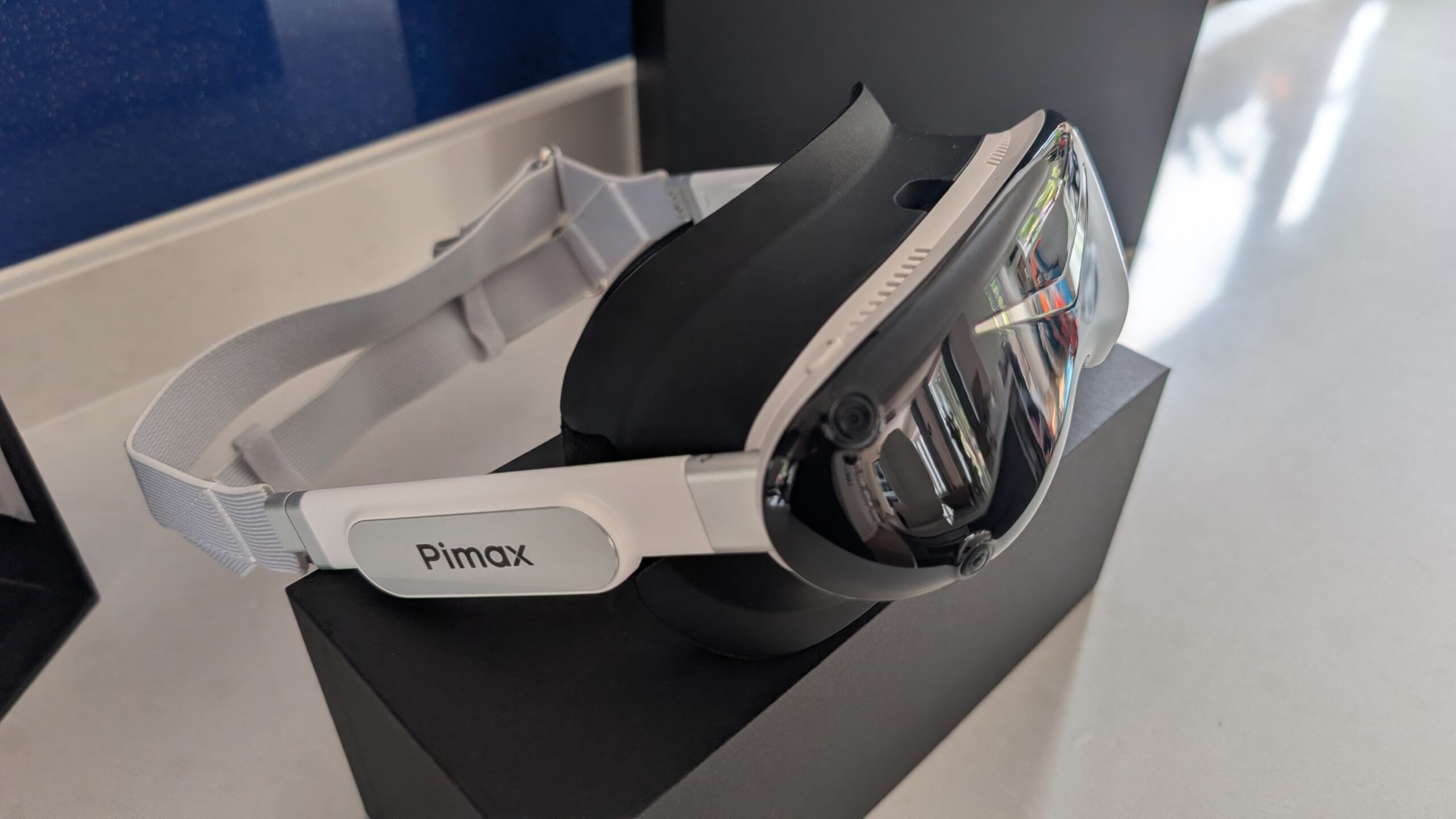
Tobii eye tracking and DFR (dynamic foveated rendering) come on both. DFR draws the part of the image you’re looking at in full detail and the rest at less, and it works in iRacing. They’re both micro-OLED, which gives you real blacks for night racing, and both connect to your PC over a wired DisplayPort cable, with no standalone mode. On paper the SE is lighter, under 140 g against under 170 g, but nobody reports feeling the difference.
The strap is where both fall down. It’s probably the most common current complaint from Pimax owners, and a proper strap upgrade costs extra. I don’t love it on the Dream Air. I can live with it, but in a year or so I can see it needing a change.
| Spec | Sony panelled Dream Air | Dream Air SE |
|---|---|---|
| Panel | Sony micro-OLED | Micro-OLED |
| Resolution per eye | 3840 x 3552 | 2560 x 2560 |
| Native refresh | 90 Hz | 72 Hz (90 Hz mode upscaled) |
| Horizontal FOV (Pimax) | 110° | 105° |
| Weight on paper | Under 170 g | Under 140 g |
| Tracking | SLAM or Lighthouse version | SLAM or Lighthouse version |
| Eye tracking | Tobii, with DFR | Tobii, with DFR |
| Connection | Wired DisplayPort, PC VR only | Wired DisplayPort, PC VR only |
| Pimax PC requirements | Same table for both | Same table for both |
| Best for | A top-end graphics card and the budget to match | A good gaming PC without a top-end card |
Which one can your graphics card drive?
The Dream Air SE has a 2560 x 2560 panel per eye against the Sony panelled Dream Air’s 3840 x 3552, which means it renders roughly half the pixels (48%, to be exact). That makes it much less power hungry. If you haven’t got the latest high-end 40 or 50-series RTX card, the SE is the micro-OLED headset that’ll run at a frame rate worth having. That’s the single biggest reason it exists. Suddenly, buying the Dream Air SE doesn’t trigger a flurry of searches for new GPUs.
The Dream Air, by comparison, is a bit GPU intensive. Mine runs on an RTX 4090. With no real plan, I went out on track in iRacing with my default monitor settings (foliage on high, the really important stuff) and the Dream Air handled it well. In Pimax’s own test, with the settings deliberately maxed out on a 4090, Automobilista 2 ran at about 30 fps on the Dream Air against a locked 72 on the SE. Across the titles they tried, the SE managed roughly twice the frame rate. Pimax does say that Dream Air number isn’t typical, and that tuning gets it back to 72 or 90.
Pimax publishes exactly the same minimum and recommended PC table for both headsets, so on paper the SE doesn’t ask for a lesser graphics card than the Dream Air. I do have a suspicion that the SE may actually be the prototype of the flagship Dream Air platform, but, I don’t have the insight to confirm it.
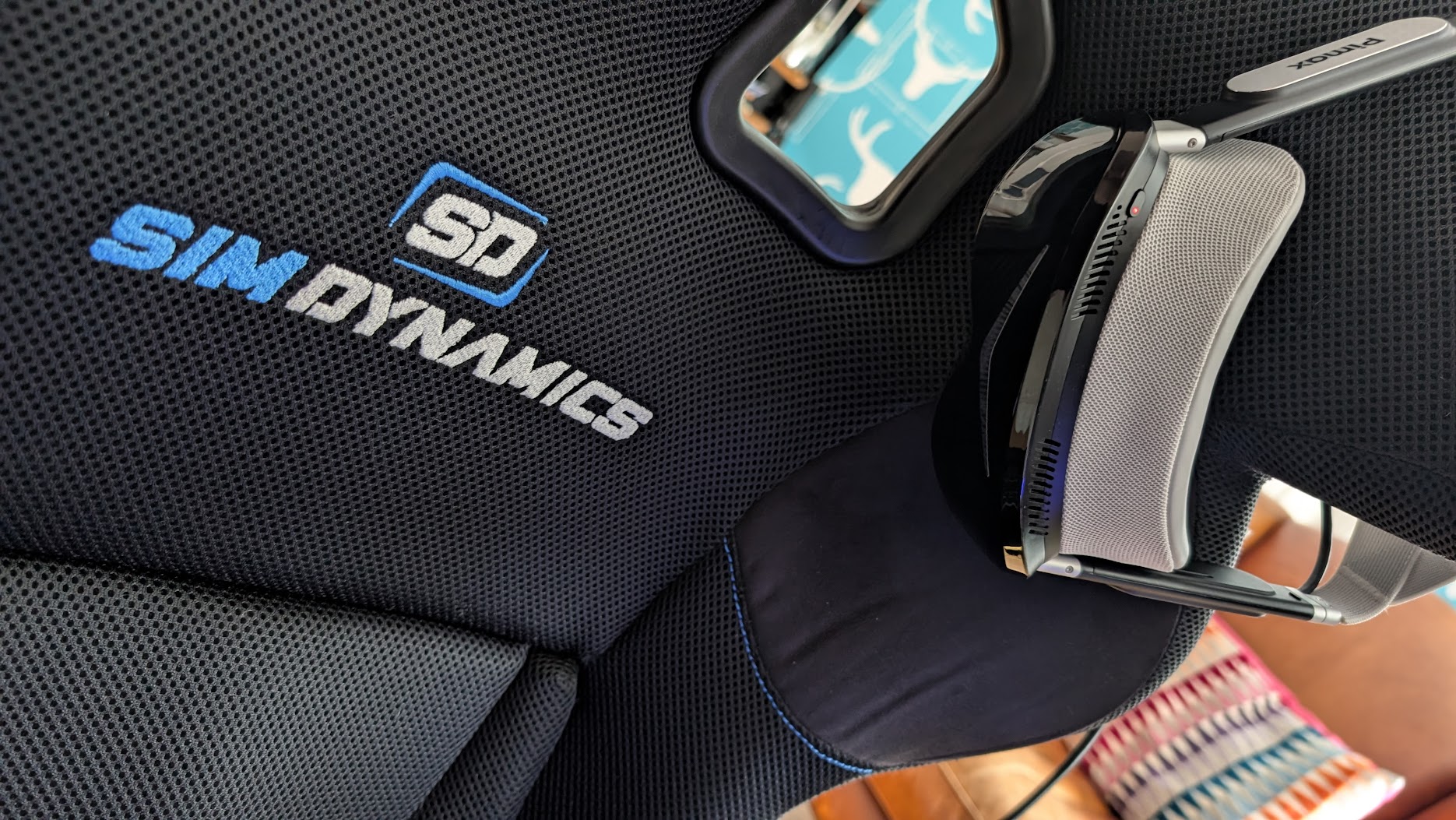
SimRacing Arnout ran the SE at native resolution and 72 Hz on an RTX 5090 and saw frame times of about 4-5 ms, with the GPU only around 30-40% loaded. immrchris had Assetto Corsa Evo running really well on the SE with an RTX 4080. On a mid-range card, you’ll want quad views and DFR switched on to make it workable.
Render resolution is the size of the image your graphics card draws before it goes to the headset, and you can turn it down. MRTV argues that a 4070 or 4080 owner can still buy the Dream Air, run it at a lower render resolution and turn it up with a future GPU, because even turned down it will look better than the SE. His caveat is “if money is not a problem”. Pimax’s own advice is that 4080, 4090 and 5090 owners should buy the Dream Air. That’s fair enough, but if you haven’t got one of those cards, I’d point most sim racers at the SE.
Is the Dream Air worth twice the price?
On the Pimax store on 3 October 2026, the Dream Air SE was $899 for the Lighthouse version and $1,199 for the SLAM version with controllers, and the Sony panelled Dream Air was $1,999 and $2,299. On the GB store that’s £695 and £926 for the SE against £1,542 and £1,774 for the Dream Air. Like for like the gap is $1,100, so roughly twice the price. Prices move, so check the store on the day, and remember a Lighthouse version needs base stations unless you’ve already got them.
Most people reading this aren’t necessarily in the mood to drop almost $/£2k on a VR headset. They’re on a good gaming PC and they want the picture on their face to just work, and work well.
So rather than comparing the SE to the other Dream Air variants, compare it against everything else you can buy at $800 to $900. Judged in that part of the VR gaming ecosystem, it looks a lot healthier. Is anything else on the market at that price likely to be better? If you’re asking me, I just don’t think there is.
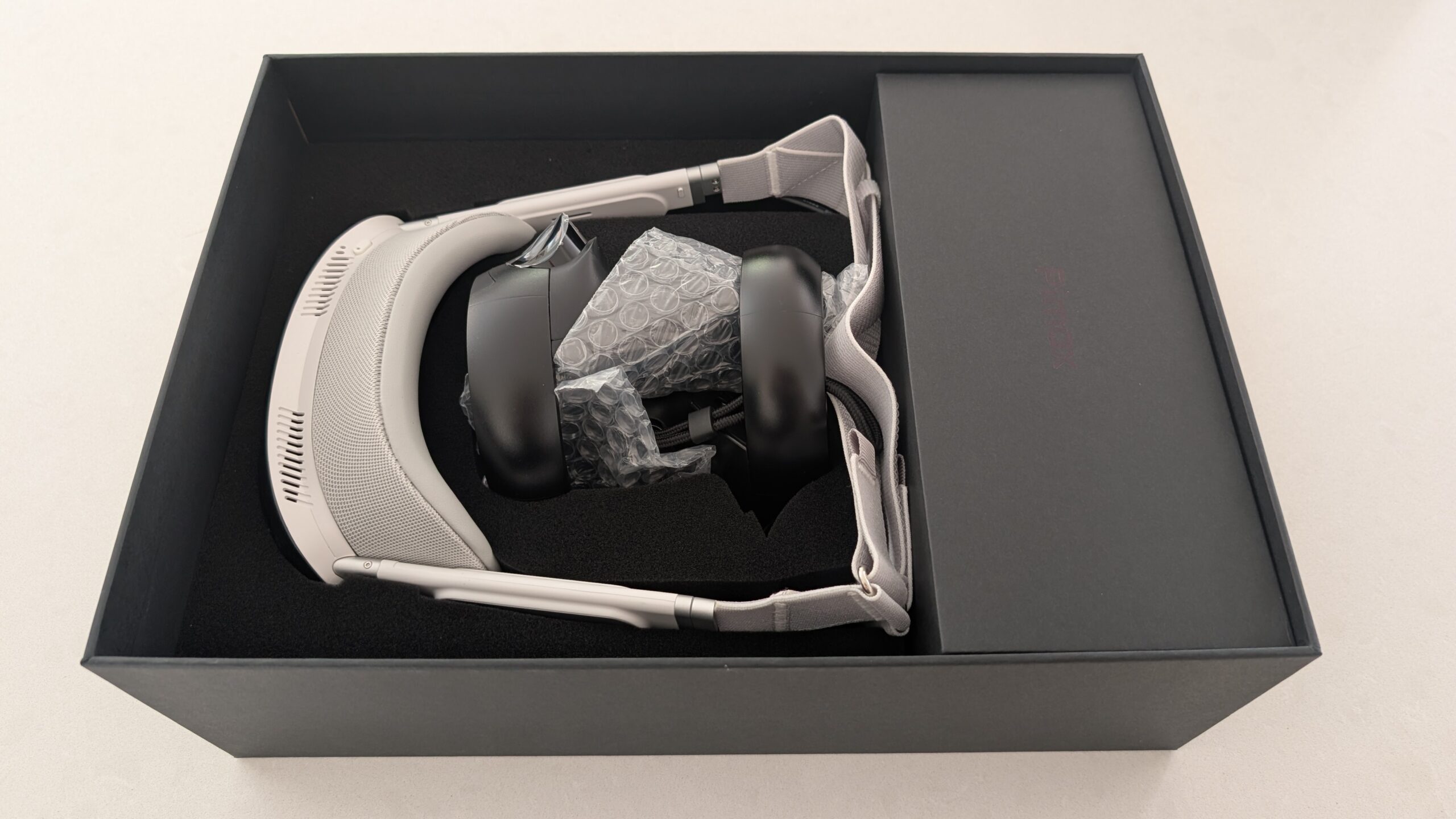
So is the Dream Air worth double? BeGamers24, who ran both back to back, thinks it is on the image alone, and finds the step from the SE to the Dream Air bigger than the step from a Crystal Light to a Crystal Super. Background_Ladder_35 on r/Pimax stepped up from the SE to the Dream Air and found it worth it for better visuals and native 90 Hz, while still saying the SE punches above its price point. MRTV says Pimax puts the SE at around 80% of the Dream Air experience. He doesn’t agree and would put it somewhere between half and 80%, but he calls the SE the better value for every dollar you spend.
The picture and the refresh rate
The difference is the panel. The Sony panelled Dream Air is clearly better, and straight away you get deeper blacks and contrast, a sharper and brighter image and whites without the SE’s brown tint. Cockpit and dash text are sharp on both, so the SE doesn’t give itself away inside the car. Further out, though, the SE shows shimmer and aliasing on far buildings, grass and grandstands, and the image goes soft a few hundred yards down the road.
Despite the loss of the Sony spec OLEDs, the SE copes perfectly well. On its own it’s a very good picture, and you only see what it lacks when you go back to the Dream Air.
BeGamers24 calls the difference in black level in Automobilista 2 enormous. immrchris is kinder to the SE. Looking straight ahead, he puts it 75-80% of the way to the Dream Air, and SimRacing Arnout calls it 80% of the sharpness.
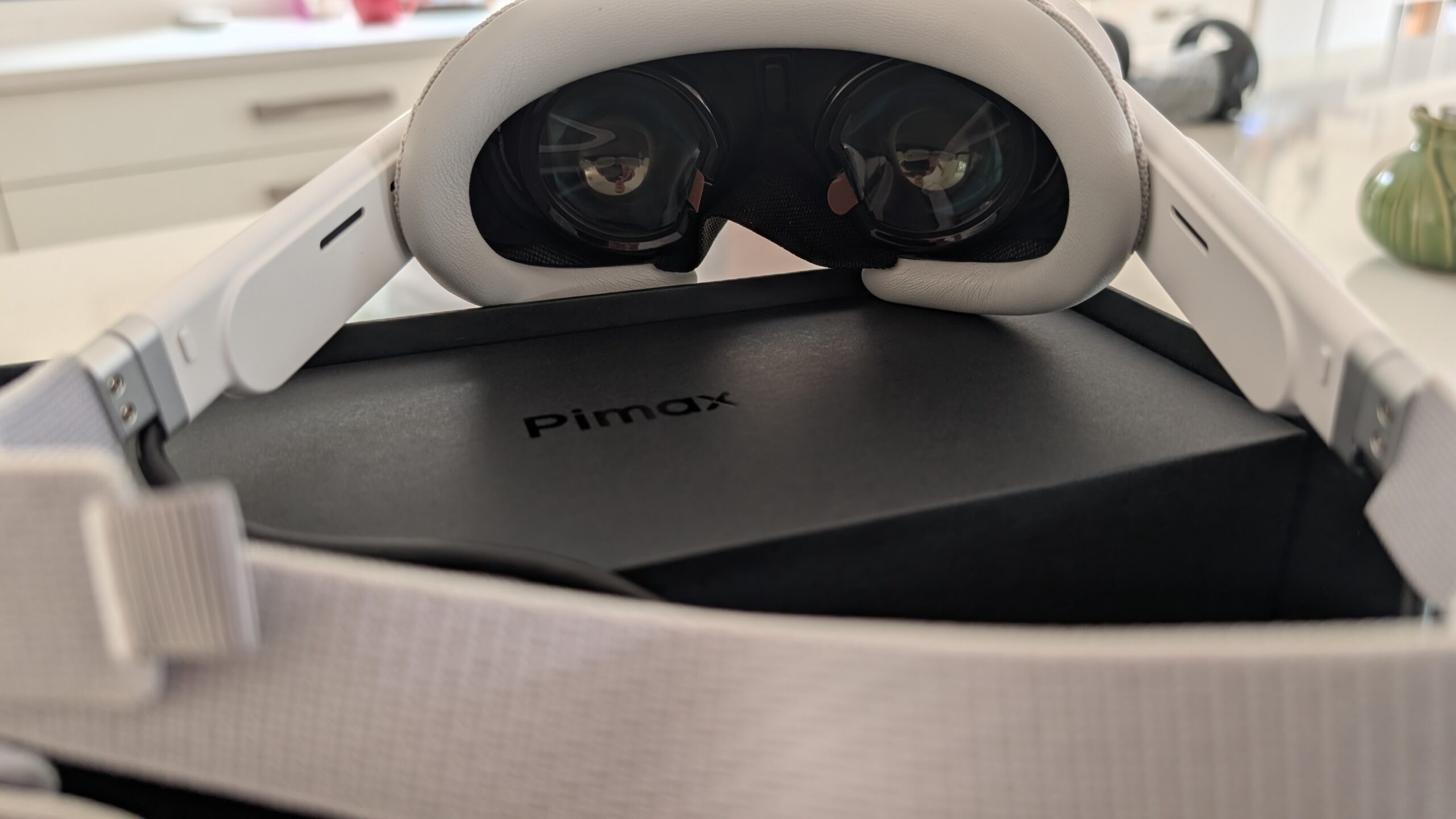
The Dream Air also runs at 90 Hz natively, which means the panel is fed a full-resolution image ninety times a second. The SE runs at 72 Hz natively. Its 90 Hz mode is upscaled from about 1920 x 1920, so the image is drawn smaller and stretched to fit the panel, and it looks softer for it. That’s why most reviewers run the SE at 72 Hz.
For a lot of racers 72 Hz is fine, because in a car you’re mostly looking forward. The Sim Nest flags blur at 72 Hz on a motion rig, though, so if your seat moves it’s worth bearing in mind.
Glare, motion blur and field of view
The SE has more glare than the Dream Air, and BeGamers24 puts the Dream Air’s at about a third of the SE’s. Persistence (the motion blur you see when you turn your head) is the SE’s most common owner complaint, and it’s worst at full brightness, easing off at roughly 50-85% brightness.
On the SE, a few OpenXR tweaks help with the blur, around 80% brightness takes the edge off the glare, and a 0.1 vertical eye-offset in Pimax Play sorts out eye strain. None of that, to me at least, is a dealbreaker.
If you’re very sensitive to motion blur, MRTV’s advice is to buy the Dream Air. The Dream Air isn’t completely free of blur, but it’s mainly an SE problem.
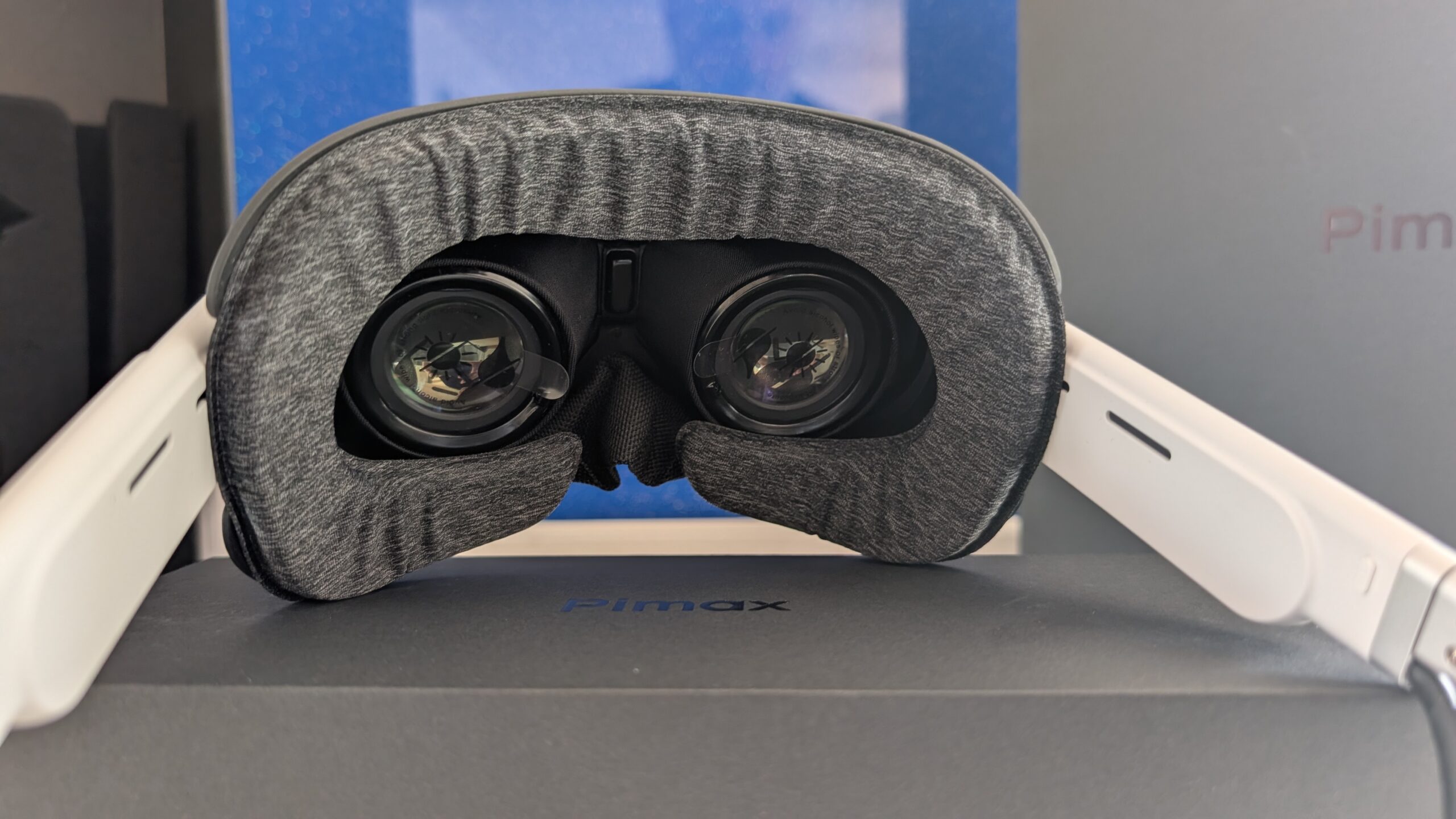
The FOV (field of view) gap between the two is small. Officially the Dream Air is 110° horizontal and the SE 105°, and with a good facial interface the measured gap is about 5-10°. Vertically they’re about equal, and the SE can come out slightly taller. The SE’s original facial interface cost it some FOV, but it now ships with the ProFit facial interface, which fixes that.
As a driver I care less about a slightly reduced FOV. I’m used to wearing a helmet, so you can’t see all that much in real life anyway. Neither Dream Air needs as much of the vertical FOV as you’d want for flight, because you’re driving, not looking up and down! We know that looking into the corner is standard driver best practice, so I’d argue that the tracking is just as, if not more important in the simulator than pure FOV.
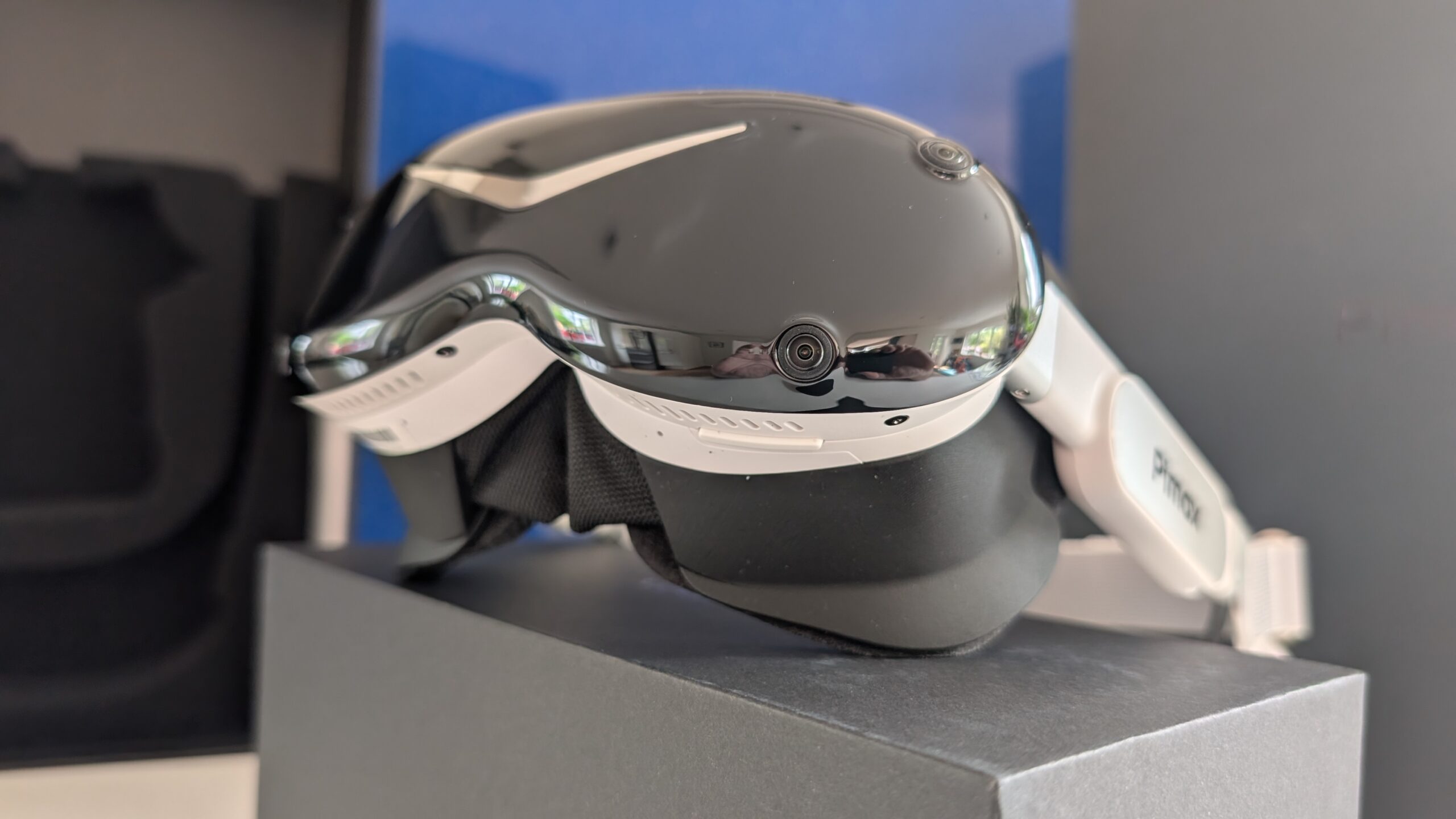
The SE has had its share of quality-control problems, too. VR Accomplice thinks Pimax rushed it to market. VR Flight Sim Guy went through two SE units and a broken cable and reckons buying one is “still a gamble”, though he says Pimax’s support has improved over the last six months or so. Check the shipping information on the store on the day you order.
Coming from a Quest 3
If you’re coming from a Quest 3, the SE is an easy step up, with better panels and better blacks. The SE has about 1.44 times a Quest 3’s pixels per eye, so you gain resolution too, and it’s wired over DisplayPort with no compression. There’s a trade-off with resolution against the Sony panelled Dream Air but, if you’re upgrading from something like a Quest 3, you’re (in my opinion) quite unlikely to notice it.
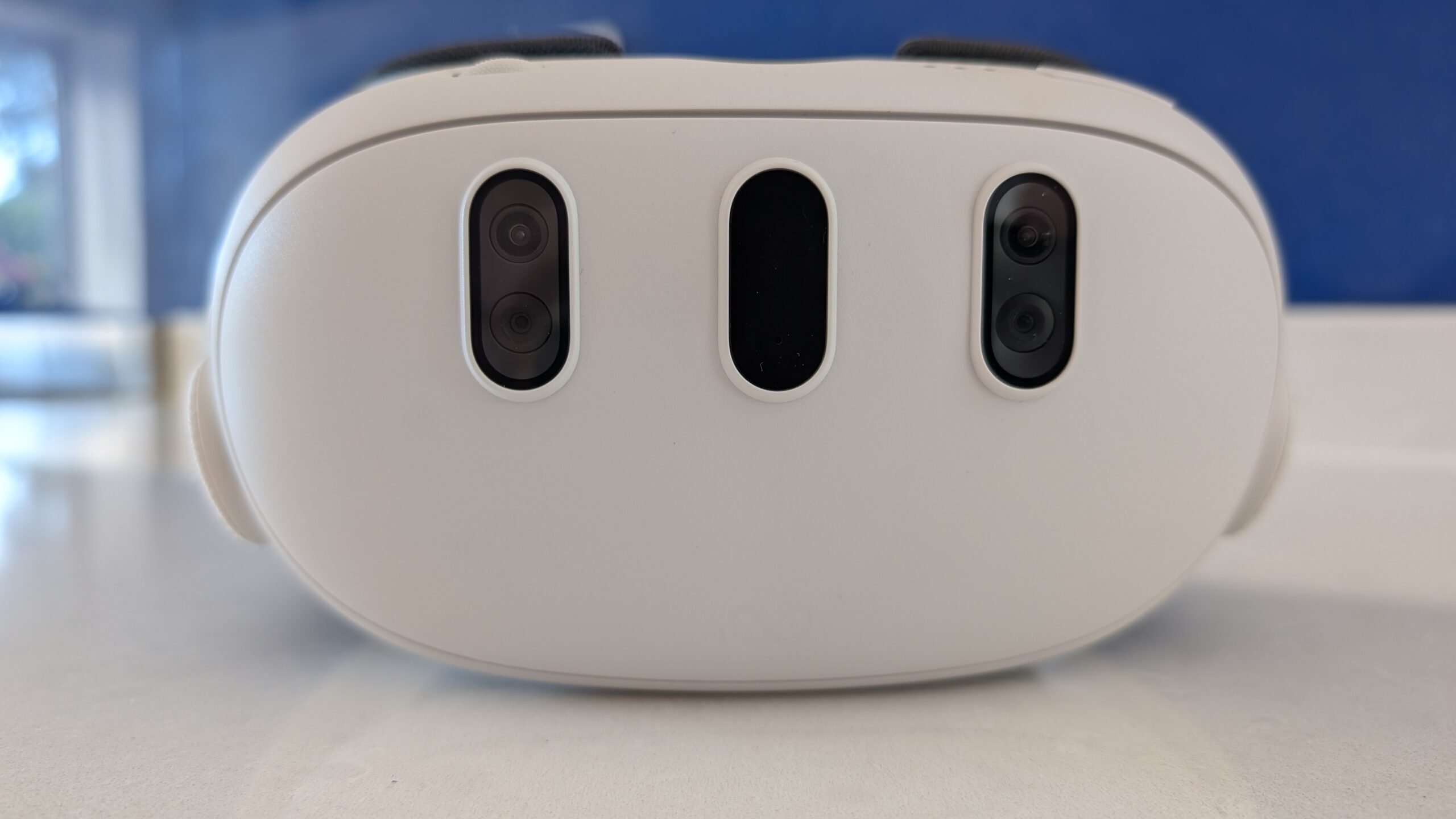
That said, Wobblybus on r/Pimax came from a Quest 3 to two SEs and found the upgrade in visuals nice but not staggering. The Sim Nest found the SE noticeably sharper with far better contrast, but thinks it’s probably not a worthwhile upgrade if you value the Quest 3’s wireless play and mixed reality.
The Sony panelled Dream Air is the bigger leap from a Quest 3, with about three times the pixels per eye, if the budget is there.
So which should you choose?
If you’re a serious sim racer with a 4080, 4090 or 5090-class card and you can stretch to the price, then pick the Sony panelled Dream Air. It’s a very, very nice and quite advanced VR headset, and I’m currently enjoying mine in iRacing – for me, the OLED screens are stunning.
If you’re sensitive to motion blur, then pick the Dream Air too.
Native 90 Hz is another reason to go for the Dream Air, and on a card that can drive it you don’t have to choose between smoothness and sharpness.
If you’re on a good gaming PC without the latest high-end 40 or 50-series card, then pick the Dream Air SE. The same goes if you’ve got a Quest 3 to move on from, or a budget that tops out under £1,000. To me, on price and performance, it occupies that comfortable middle ground between sticking with your Quest 3 and throwing almost two thousand pounds at the highest of high-end VR headsets currently on the market. Until now, nothing really lived there. It’s a great introduction to the higher-end PC VR world without committing to the giant overhead of the Sony panelled Dream Air.
If you already own base stations, then pick either Lighthouse version, which costs $300 less than its SLAM version and doesn’t come with controllers.
When I first finished testing them, my advice was that if you can stretch to the Sony panelled Dream Air, you should, and I haven’t changed it. But these are two different propositions for two different types of sim racer, and it’s a mistake to read one as a discount version of the other. I’ll see you out on track!
Related Articles
Should Sim Racers Wait for the Pimax Crystal Pro, or Buy Today?
Pimax Crystal Pro: Everything We Know So Far
Bigscreen Beyond 2 for Sim Racing: What to Know in 2026
Pimax Dream Air vs Dream Air SE: Which Should a Sim Racer Buy?
SteamVR Base Stations for Sim Racing: Lighthouse vs SLAM on the Pimax Dream Air
How to Install the SBoys3 Driver on the Pimax Dream Air Lighthouse
Topic: VR Headsets