
I’m a sim racer and amateur racer with a passion for Motorsport, good racecraft and the technical and setup aspect of sim racing.
If you follow VR for sim racing at all, you know Pimax: enormous field of view, silly-sharp resolution, and a long-standing reputation for making you wait. I’ve bought a few of their headsets over the years – the Dream Air and the Crystal Super among them – each order turned up inside a week. But that hasn’t been everyone’s story, and Pimax clearly knows it. Over the last few weeks they’ve put out a run of updates aimed squarely at the part of their reputation that isn’t about pixels. Here’s what’s going on, and whether it changes anything.
Quick Navigation
Jump to what you need:
The reputation they’re fixing |
A public shipping page |
Local stock, faster dispatch |
The software keeps moving |
The current lineup |
They asked customers |
New comfort fixes |
So, what’s going on?
The reputation they’re fixing
Let’s be straight about the problem first: For years the knock on Pimax was never the hardware – it was the wait. Pre-orders that stretched out, patchy communication, and a genuine unknown at checkout about when the thing would arrive at teh door. If you were spending the better part of two grand on a headset, that uncertainty was enough to send people to hedge on a Quest 3 instead.
My own orders came quickly, so I won’t pretend I’ve felt the worst of it. But the experience has been inconsistent, particularly if you follow r/Pimax on Reddit and that’s the point – a company can have the best panels in VR and still lose the sale at the moment someone reads the shipping small print or looks up a recent complaint. Their recent announcements are, more or less, Pimax admitting that and doing something about it. Whether it holds up a good question but here we are.
So, what’s going on at Pimax?
A public shipping page you can check before you buy
Their headline change is pretty simple stuff: Pimax has put up a public Shipping Status page you can read before you place an order. It lists availability by region, provides estimated fulfilment times, shipping costs and tax, and order-delivery updates, all in one place rather than scattered across support tickets and forum threads.
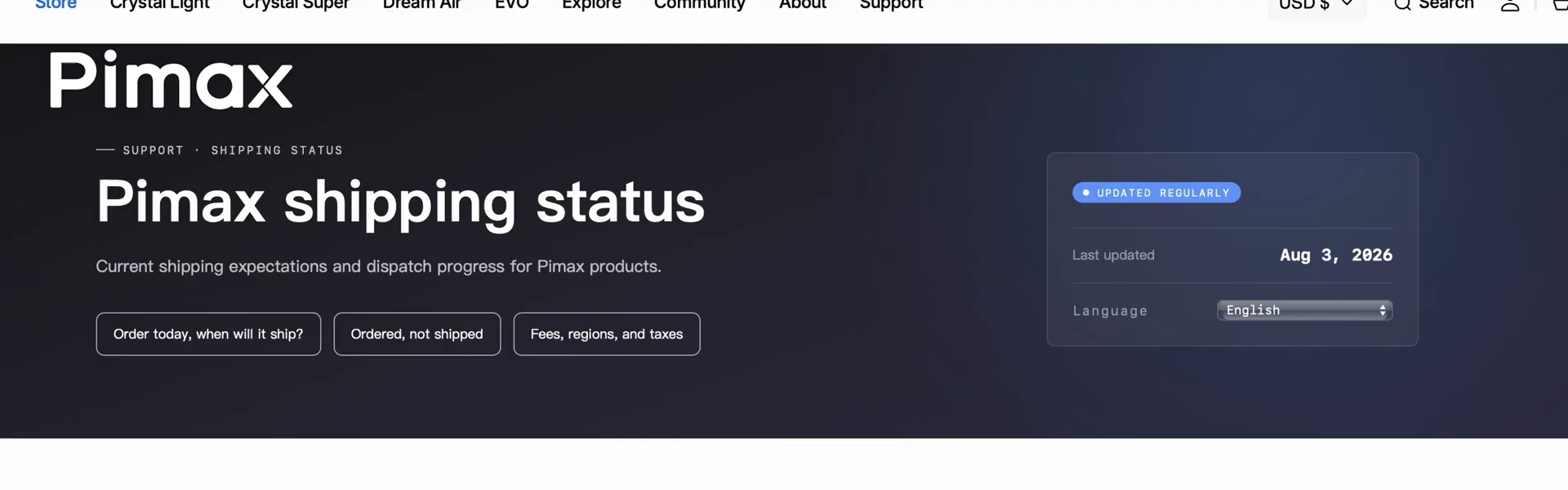
It sounds mundane, and in a way it is. But it’s the exact thing that was missing. Being able to see “this headset is in local stock, dispatch is a few days” before you pay is the difference between a confident purchase and a mildly nervous one. There’s also proper order tracking now, with dispatch emails meant to arrive within 24 hours and a note that address changes only work before the parcel leaves the warehouse.
Local stock and faster dispatch
Behind the page is the change that makes it possible: regional inventory. Pimax says its current lineup – the Crystal Light, the Crystal Super series and the Dream Air – is now held in local stock in supported markets, rather than shipping on long production cycles from a single point. For products available locally, orders are meant to move into dispatch within a few business days of payment.
That the Dream Air is included matters, because it’s one of the newest items, popular with sim racers and it’s exactly the sort of product that used to mean a long wait. If the local-stock claim holds across regions, it’s the single biggest fix here – the page tells you what’s happening, but the inventory is what gets the box to your door.
The software keeps moving
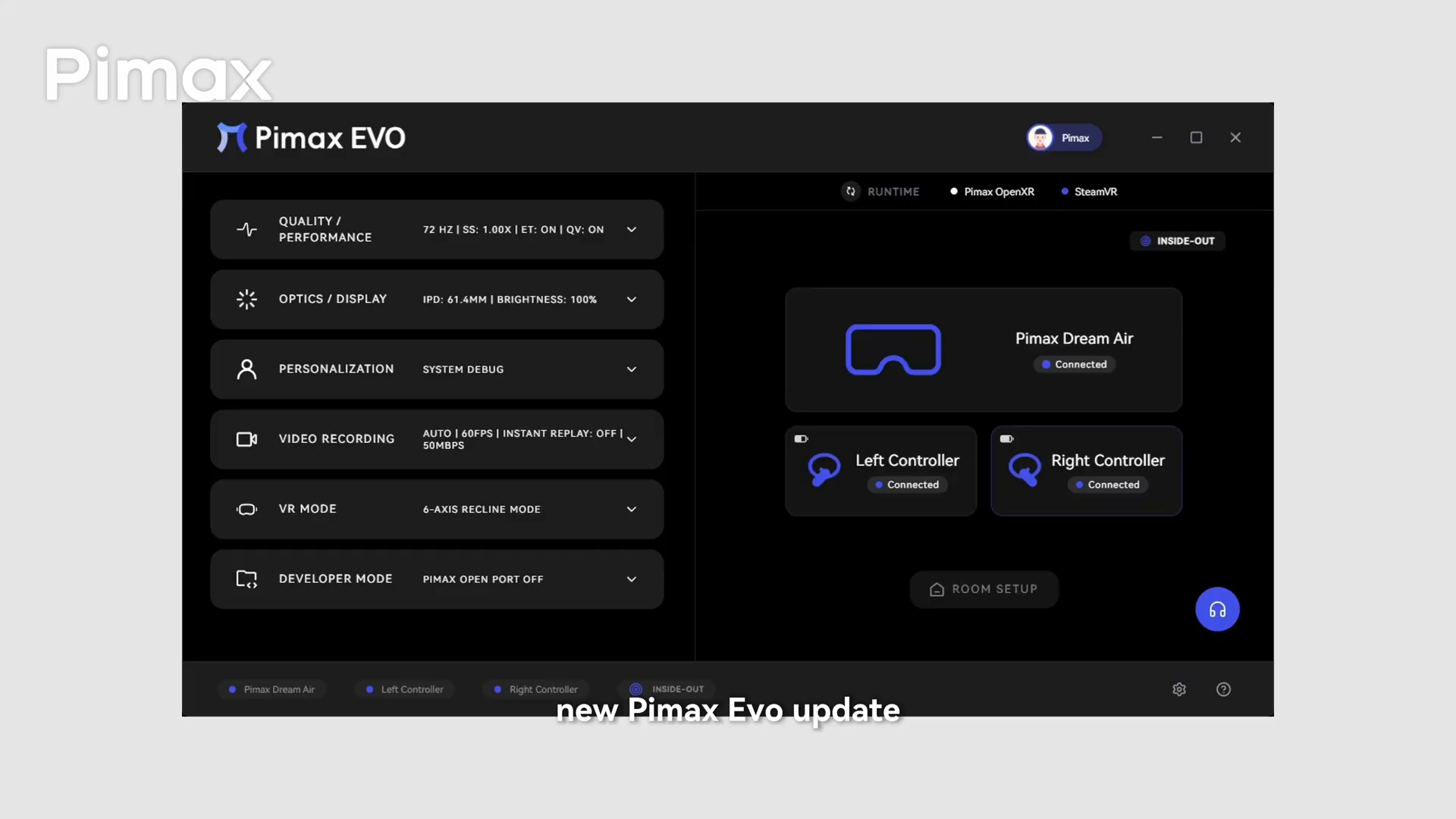
The other half of the story is cadence on the software, which for a PC VR headset matters nearly as much as the panels. The latest Pimax EVO release adds FOV cropping, expanded quad-view controls for fine-tuning performance, and a new VR Mirror View that renders exactly what you’re seeing in the headset onto your desktop – handy for streaming, recording, or just showing someone what they’re missing. There’s a round of hand-tracking improvements too, and fixes for a few nagging issues like recording on integrated-graphics machines and desktop mouse lag.
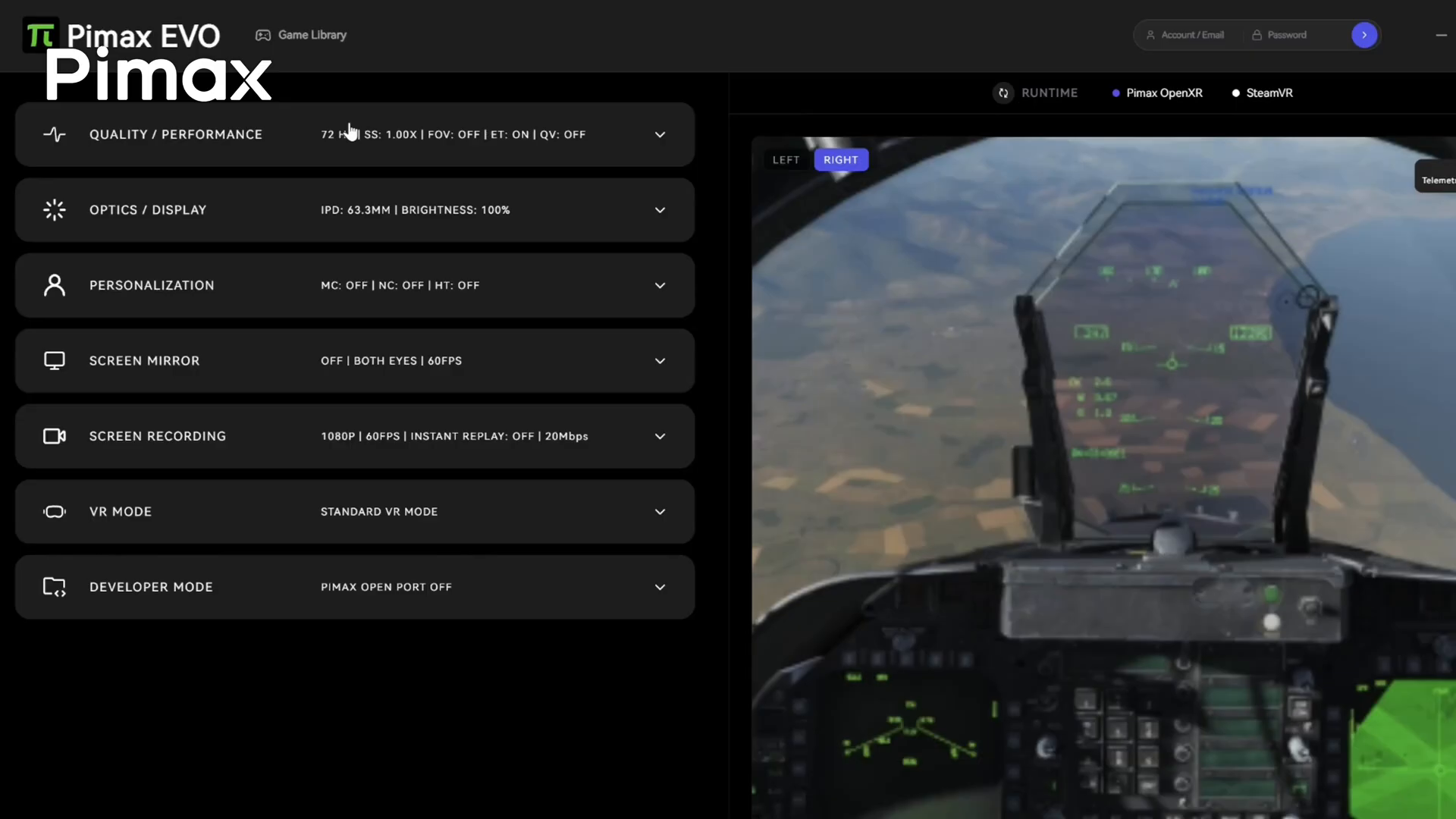
Pimax Play, the main runtime, also picked up a 2.0.3 update aimed at stability and general polish. None of this is headline-grabbing on its own, but that’s rather the point: steady, boring software maintenance is what a mature product needs, and it’s historically been Pimax’s weaker hand. If you do run into trouble getting set up, our Pimax troubleshooting guide covers the fixes that work.
Where the range stands right now
If all this has you tempted, here’s the current Pimax lineup at the premium end, priced live from our affiliate feed. The Crystal Super and the Dream Air are the two I point sim racers at, and I’ve reviewed both. For where they sit against everything else, our VR headset comparison is the place to start.
They asked customers what was wrong
Here’s the part I like: a good old fasioned customer survey. Pimax surveyed close to 500 owners about what they do well and where they fall short. The visual experience scored 4.8 out of five, which surprises nobody who has used one. More telling, is what they’re doing with the complaints: a native SteamVR driver, faster repair turnaround, a shipping-replacement survey, and a European customer-feedback hotline pilot running through August, a few hours each working day, where owners can talk to a person directly.
A feedback hotline is a small thing on paper. But for a company whose weak spot has always been communication, putting a human on the end of a phone line – even as a pilot – is a bigger signal than another spec bump would be.
New comfort fixes for the Dream Air
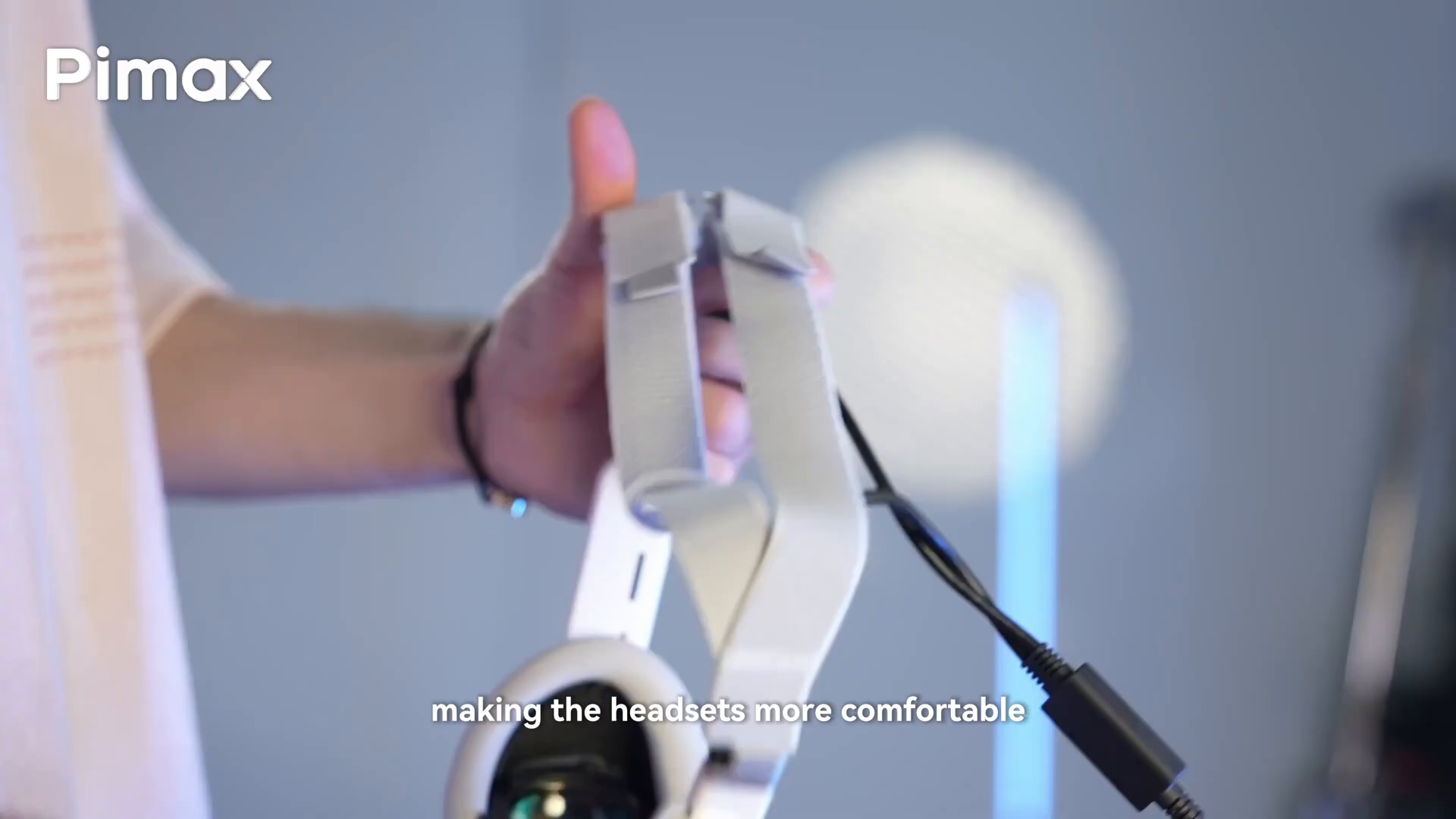
Comfort is the one area where the Dream Air did divide people, mine included at first, so it’s good to see two new facial interfaces in development. The Dream Air’s new interface is finished – more cushioning around the forehead and cheeks, and a better fit across a wider range of face shapes for long sessions. Eligible owners get an email to confirm their address, then it ships in batches.
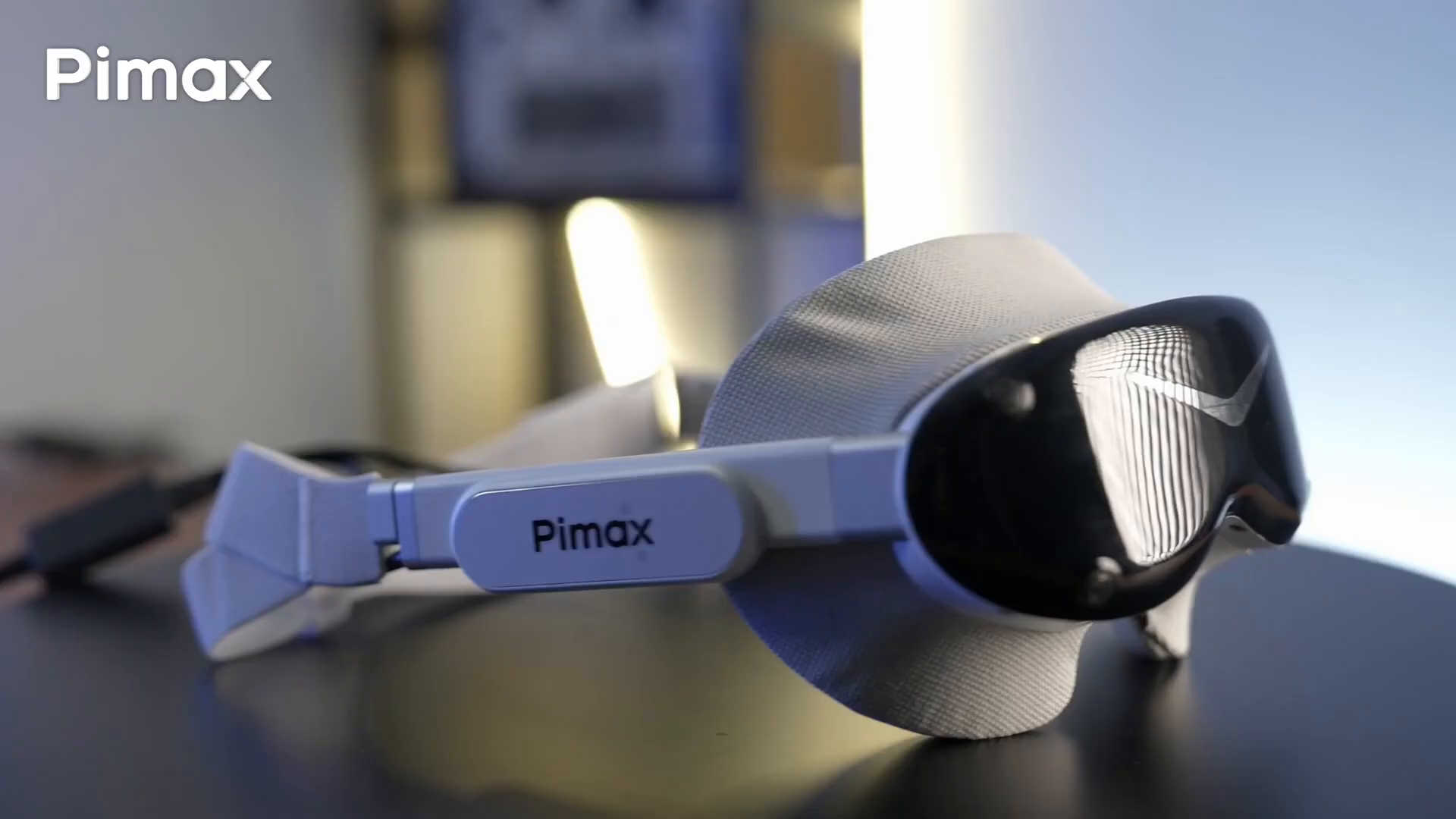
The Dream Air SE is getting a prototype interface with Studioform fabric padding – denser foam, better weight distribution across the cheekbones, and a shield that sits closer to your face. The clever bit is the eye relief: by bringing your eyes nearer the lenses you see more of the display, so the visual field of view widens even though the rendered FOV is unchanged. It’s a small test batch on 3D-printed parts for now, moving to proper moulding if the feedback lands well.
So, what’s going on with Pimax?
Put it all together and the picture is a company working on the half of the job it used to sort of, ignore. The panels were never in doubt – a 4.8 out of five tells you that. What’s changed is the stuff around them: local stock so the box turns up, a page that tells you when, software that keeps improving, comfort fixes for the people who own the kit, and a phone line for when something goes wrong. None of it is flashy. All of it is the right work.
Do I think it’s fixed for good? I’m staying open-minded – promises are easy and I’ll be watching how the shipping behaves over the next few months. But if the buying experience is what put you off Pimax before, this is the first real sign that the thing you were worried about is the thing they’re now working on. For a company with the best image in PC VR, that was the last box to tick.
A personal note to finish on. I can’t wait to get into the new software – since VR first arrived, the software has been the part lagging behind the hardware, and it looks like Pimax are the ones doing the innovating there now. If they keep heading the way they’re heading, I’d expect them to end up the dominant name in VR headsets for gaming. Big call, I know. But the direction is that good.
Buying a Pimax? Use code simracingcockpit for 2% off, or SIMRACINGCOCKPIT25 for $25 off, at Pimax. Not sure which headset? Our Dream Air review and Quest 3 vs Dream Air upgrade guide will help you decide.
That’s where things stand today. If you’ve had a Pimax order go smoothly – or not – let me know in the comments, and I’ll see you out on track.
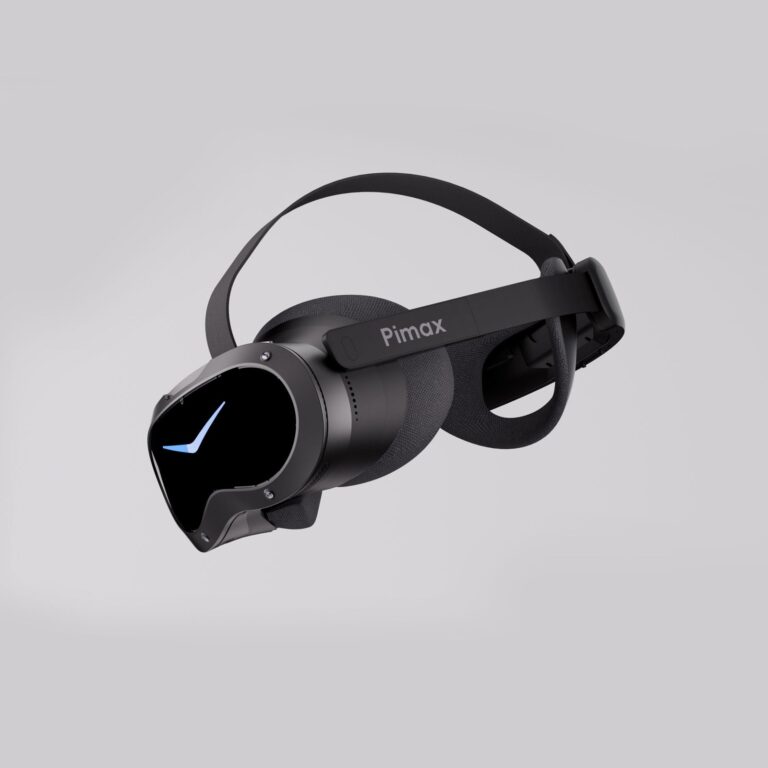
Should Sim Racers Wait for the Pimax Crystal Pro, or Buy Today?
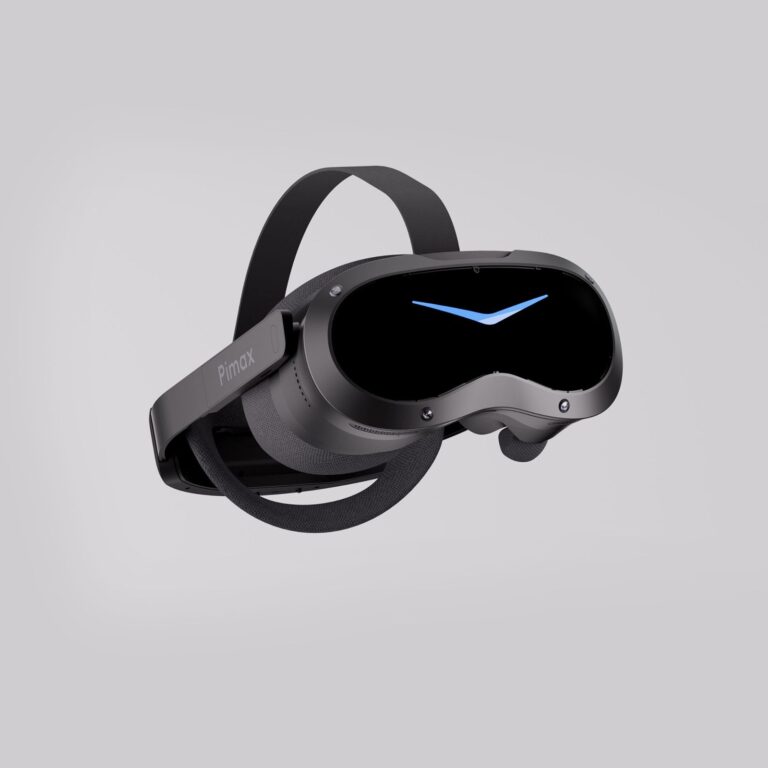
Pimax Crystal Pro: Everything We Know So Far
Bigscreen Beyond 2 for Sim Racing: What to Know in 2026
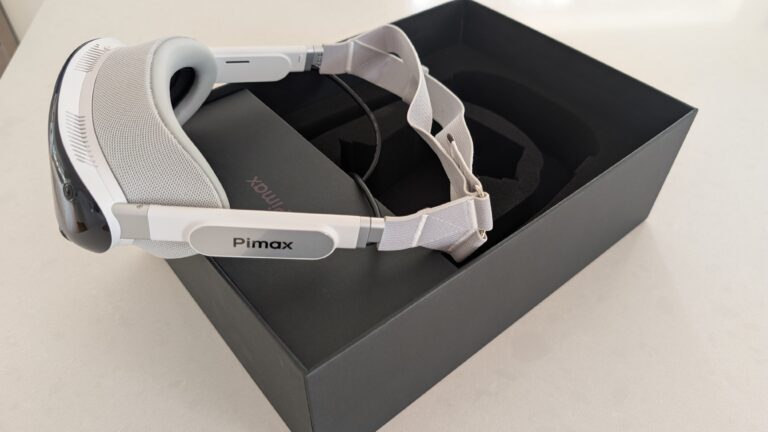
Pimax Dream Air vs Dream Air SE: Which Should a Sim Racer Buy?
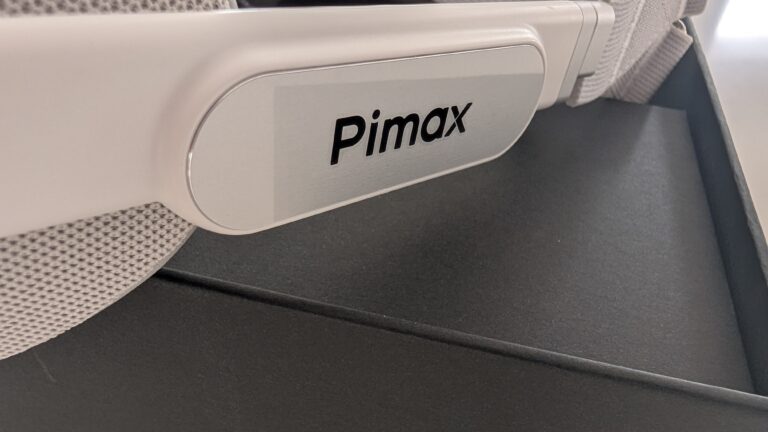
SteamVR Base Stations for Sim Racing: Lighthouse vs SLAM on the Pimax Dream Air
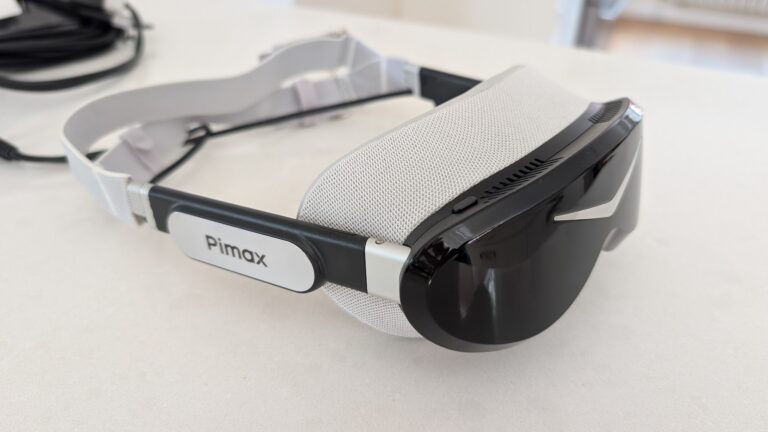
How to Install the SBoys3 Driver on the Pimax Dream Air Lighthouse
Topic: VR Headsets