

I’m a sim racer and amateur racer with a passion for Motorsport, good racecraft and the technical and setup aspect of sim racing.
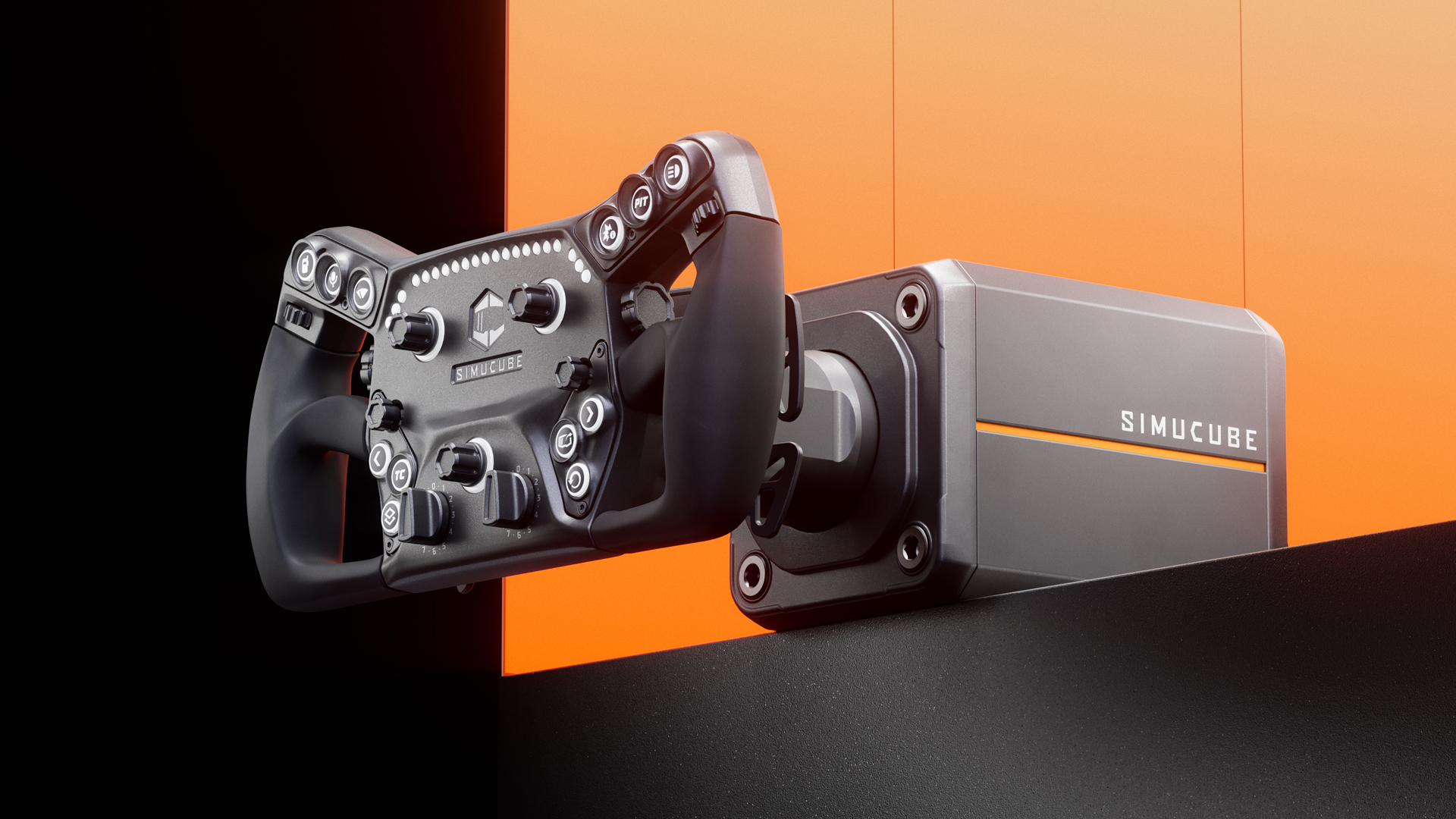
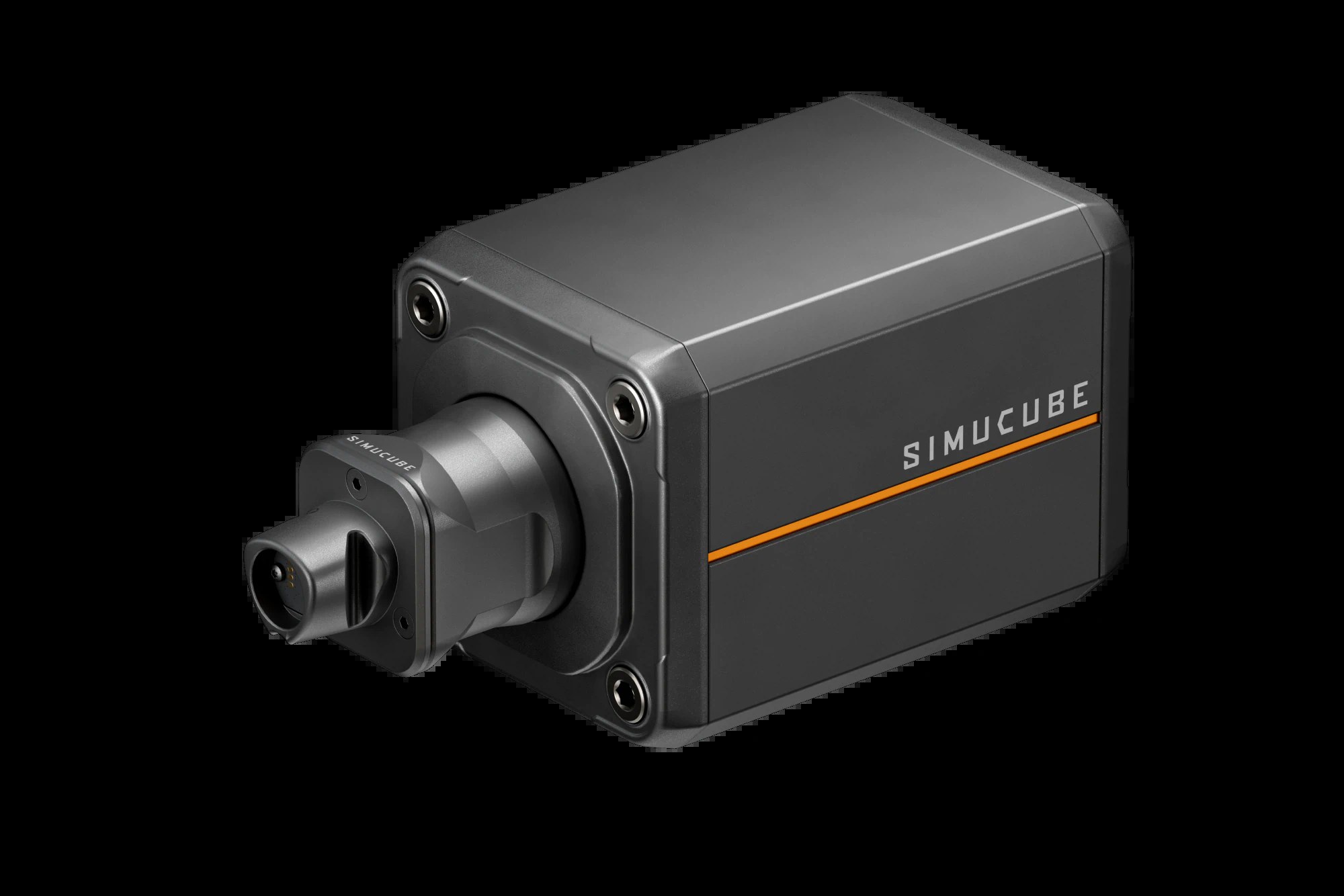
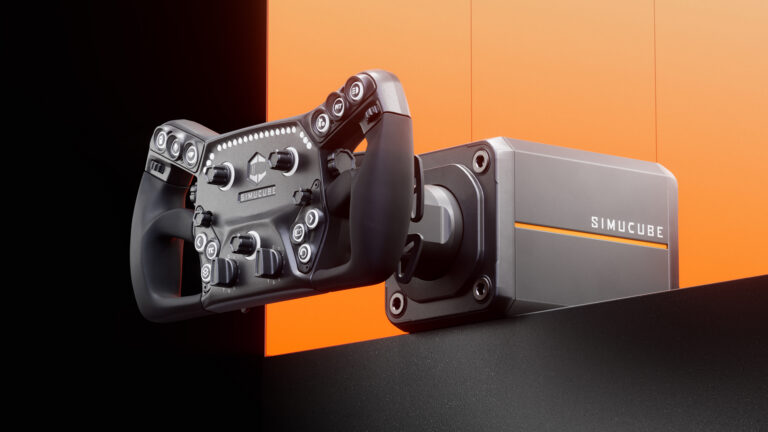
Featured image: a Simucube 3 with a Simucube steering wheel. Image: Simucube.
I reviewed my Simucube 2 Pro back in April 2021, and it’s still the wheelbase I race on today. I’ve driven the Simucube 3 Pro as well, and it’s broadly as clean and smooth as everyone says. So is the Simucube 3 worth it, and which one should you buy? Mostly, yes, and the Pro is the sensible pick, although it’s more an evolution of the Simucube 2 than a big leap. Before you order, think hard about the quick release, because very few wheels are made for it yet.
Quick Navigation
Jump directly to what you’re looking for:
Is the Simucube 3 worth it? |
What is the Simucube 3? |
Sport, Pro or Ultimate? |
How does the Simucube 3 feel to drive? |
Which wheels work with the Simucube 3? |
Link Hub and control box |
Simucube Tuner 3 |
Were the launch problems fixed? |
Simucube 3 vs Simucube 2 Pro |
How does it compare with other high-end bases? |
Pros and cons |
Who should buy a Simucube 3? |
Where to buy
Is the Simucube 3 worth it?
For most people buying a high-end wheelbase at the moment, yes, it is, and the Simucube 3 Pro is the one to buy. On current firmware it’s one of the best-feeling wheelbases on sale. The gap to the other top bases is small, though, and you’re paying for the last few percent. The Simucube 3 Ultimate is a luxury, because the step up from the Pro is slight. The main catch is that there’s no USB pass-through, which matters more the more wheels you already own.
As for me, I’m yet to see a reason to dispose of my Simucube 2 Pro. No manufacturer since has put a compelling enough offer in front of me to migrate. I’ve spent so much seat time with the Simucube 2 Pro that I’m very used to how it feels, and therefore I’m fastest in it.
I would love a Simucube 3, but the reality is the expensive new quick release, potentially new wheels and a different fitting challenge. It just isn’t on my periphery today. But if I was starting from scratch with a new high-end rig, I probably would go for the Simucube 3.

Whichever wheel you own, you get used to its unique pattern of force feedback anyway. It’s much the same as a real car. No two actual racing cars feel the same at the steering rack, or communicate the track detail through the front tyres in the same way. Different wheelbases are different things, and within the ones the reviewers prefer, whichever you choose you’re going to get used to and get quick on simply by getting seat time in your sim.
What is the Simucube 3?
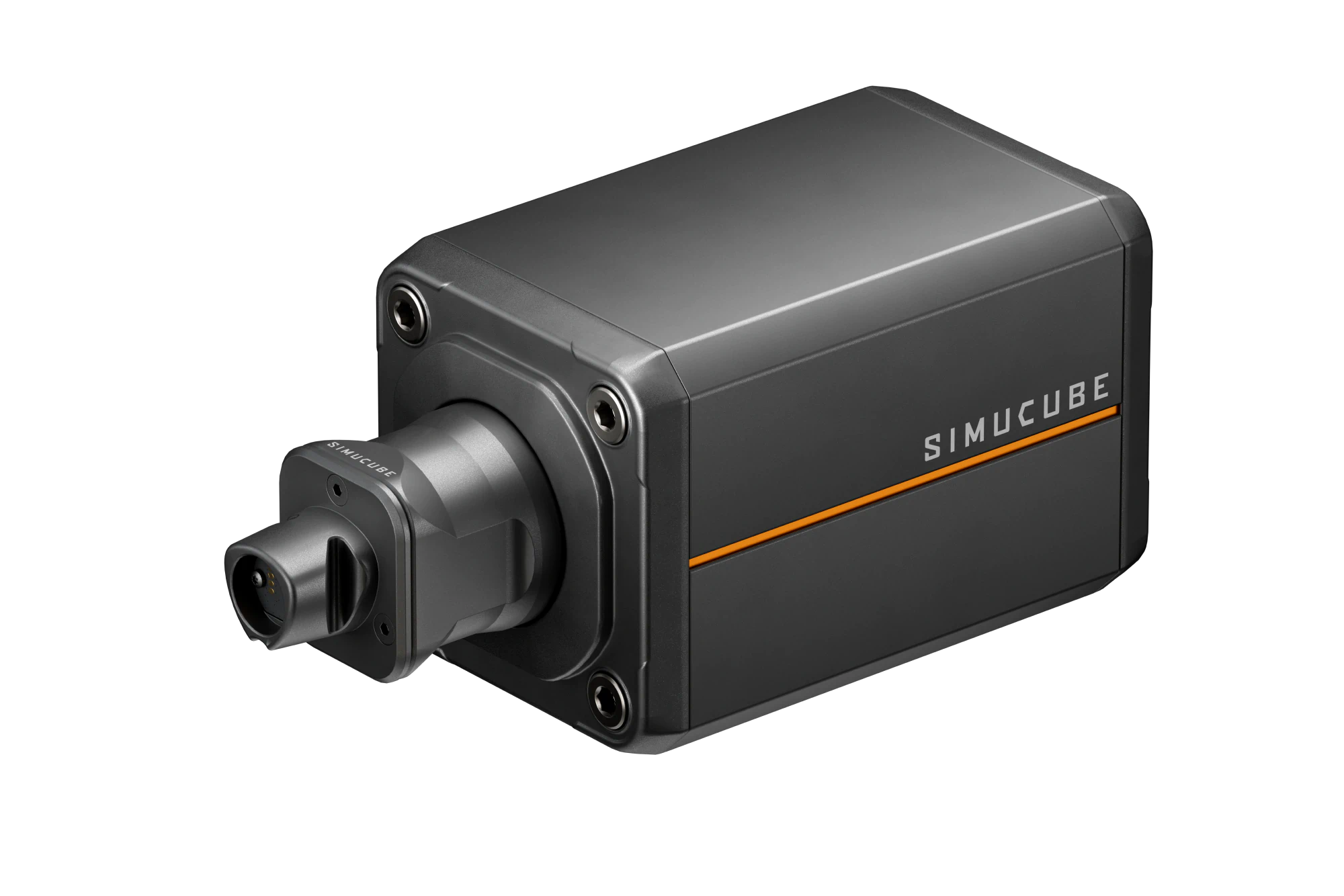
The Simucube 3 is a range of three direct drive wheelbases from Simucube, the Finnish company behind the Simucube 2. The Simucube 3 Sport makes 15 Nm, the Simucube 3 Pro 25 Nm and the Simucube 3 Ultimate 35 Nm.
Simucube announced the range and opened pre-orders on 9 October 2025. The Sport and Pro started shipping in November 2025, and Simucube Tuner 3.0.0, the first software to support them, came out on 24 November. The Ultimate went on sale on 16 June 2026, and all three are in stock on simucube.com at the moment (5 October 2026). It’s PC only, so there’s no PlayStation or Xbox support.
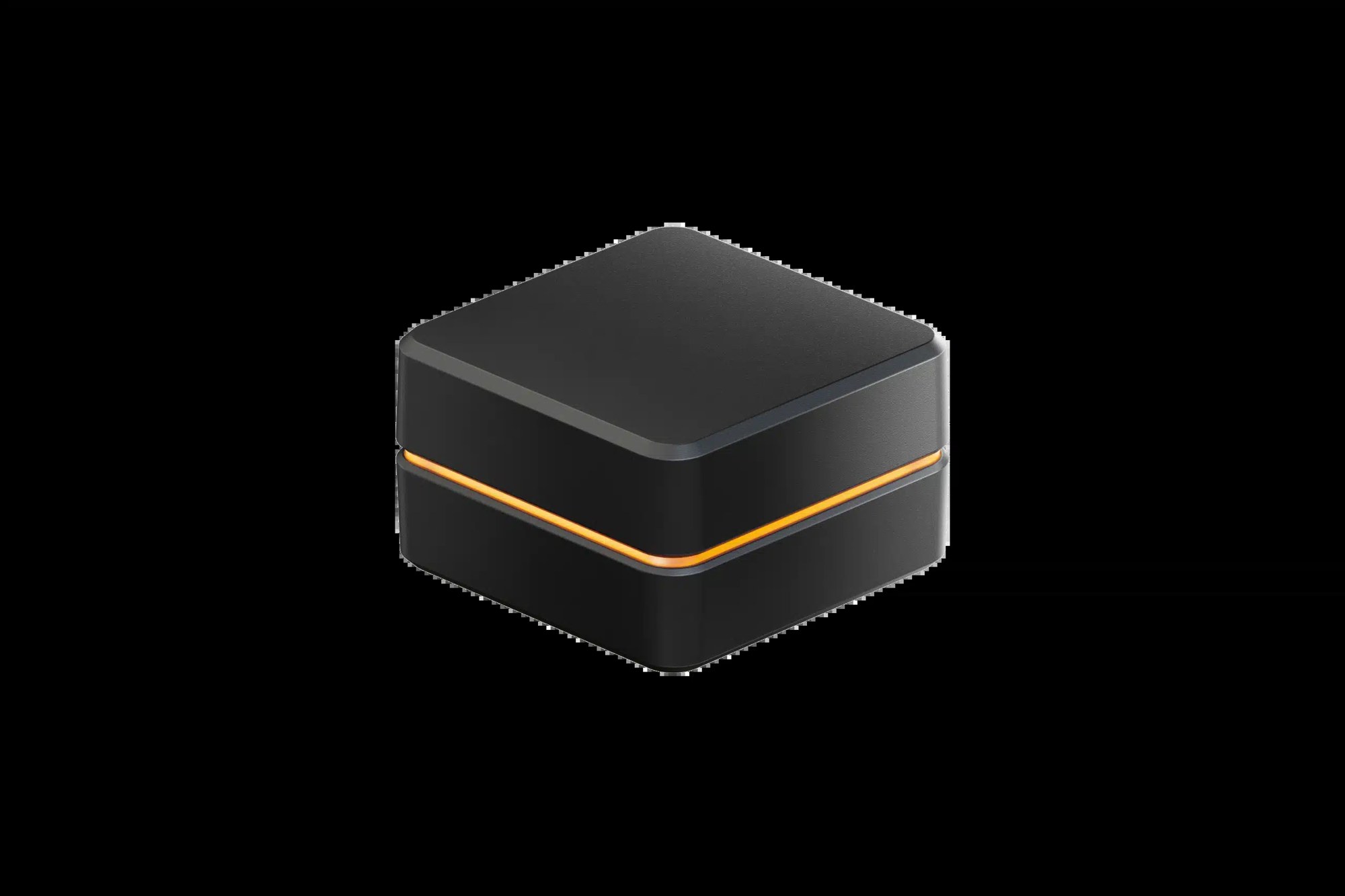
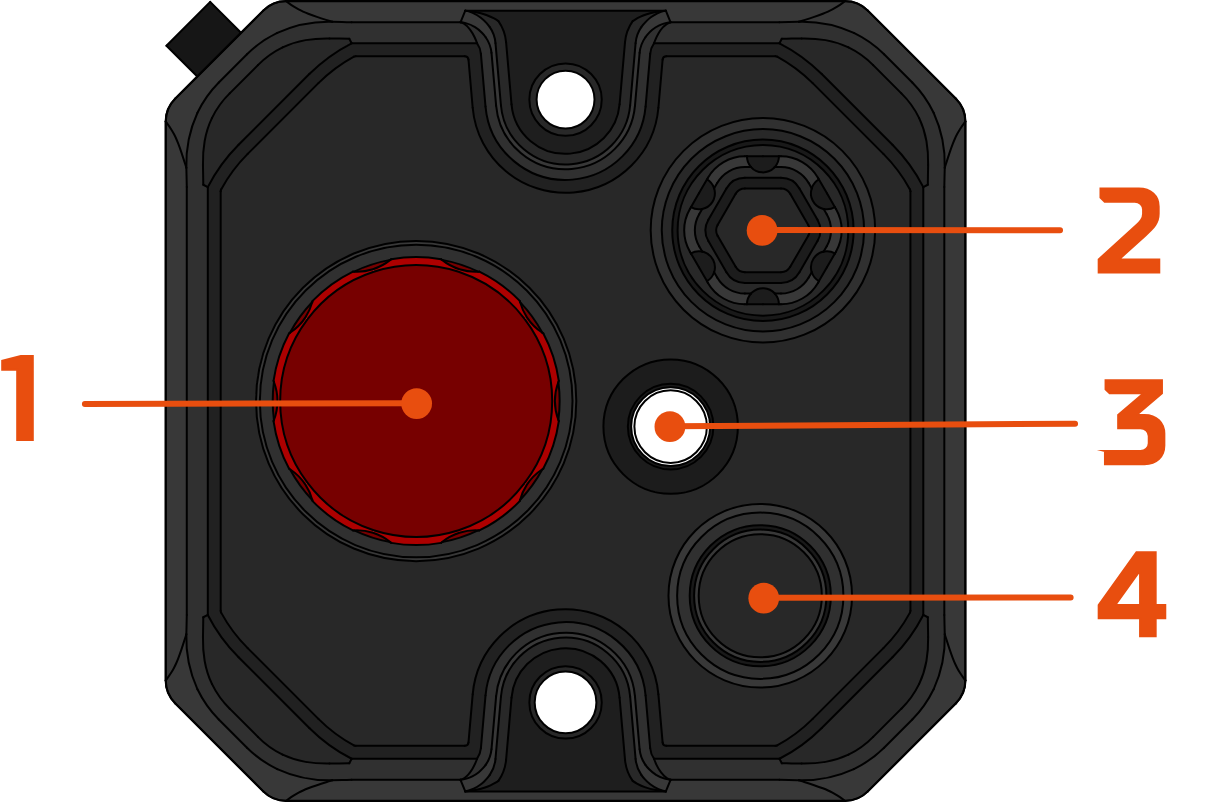
In the box you get the wheelbase, the power supply, an RJ45 cable, the control box and its cable, and the mounting fasteners. You won’t find the Link Hub in the box, or the wheel-side Link Quick Release. The wheelbase can’t talk to your PC without the hub, which Simucube’s store sells as an option, and the quick release is sold separately.
Every model has the same 23-bit absolute encoder, which works out at more than 8 million steps per revolution. Simucube says it laser-scans every Simucube 3 to create a digital twin of that unit inside its code, which means each wheelbase is individually calibrated. It also says it re-designed the control algorithm from scratch. The whole range runs on Simucube Tuner 3.
Sport, Pro or Ultimate?
The Simucube 3 Sport and the Simucube 3 Pro are built on the same platform, with the same motor type, encoder and firmware, so the difference between them comes down to torque.
| Spec | Simucube 3 Sport | Simucube 3 Pro | Simucube 3 Ultimate |
|---|---|---|---|
| Peak torque | 15 Nm | 25 Nm | 35 Nm |
| Motor | SPM | SPM | Spoke-type IPM |
| Encoder | 23-bit absolute | 23-bit absolute | 23-bit absolute |
| Weight | 8.7 kg | 11.0 kg | 13.0 kg |
| Length (incl. quick release) | 278 mm | 303 mm | 323 mm |
| Power supply | 280 W | 360 W (450 W peak) | 360 W (450 W peak) |
| Mounting | Front and bottom | Front and bottom | Front and bottom |
| Control box | Included | Included | Included |
| Link Hub | Required, sold as an option | Required, sold as an option | Required, sold as an option |
| Warranty | 3 years (store) | 3 years (store) | 5 years |
So why buy more torque than you’ll use? Dan Suzuki reckons most drivers run somewhere between 12 and 16 Nm, so the torque above that is headroom, which keeps the peaks from clipping. Clipping is when the game asks for more force than the motor will give, and the detail flattens out.
In 2021 I was running my Simucube 2 Pro at around 18 Nm (70%). Full FFB is much too much for most drivers.
There’s only $200 between the Sport and the Pro on Simucube’s US store (5 October 2026), which makes the Pro the default for most people. Simucube’s store lists a three-year warranty on both.
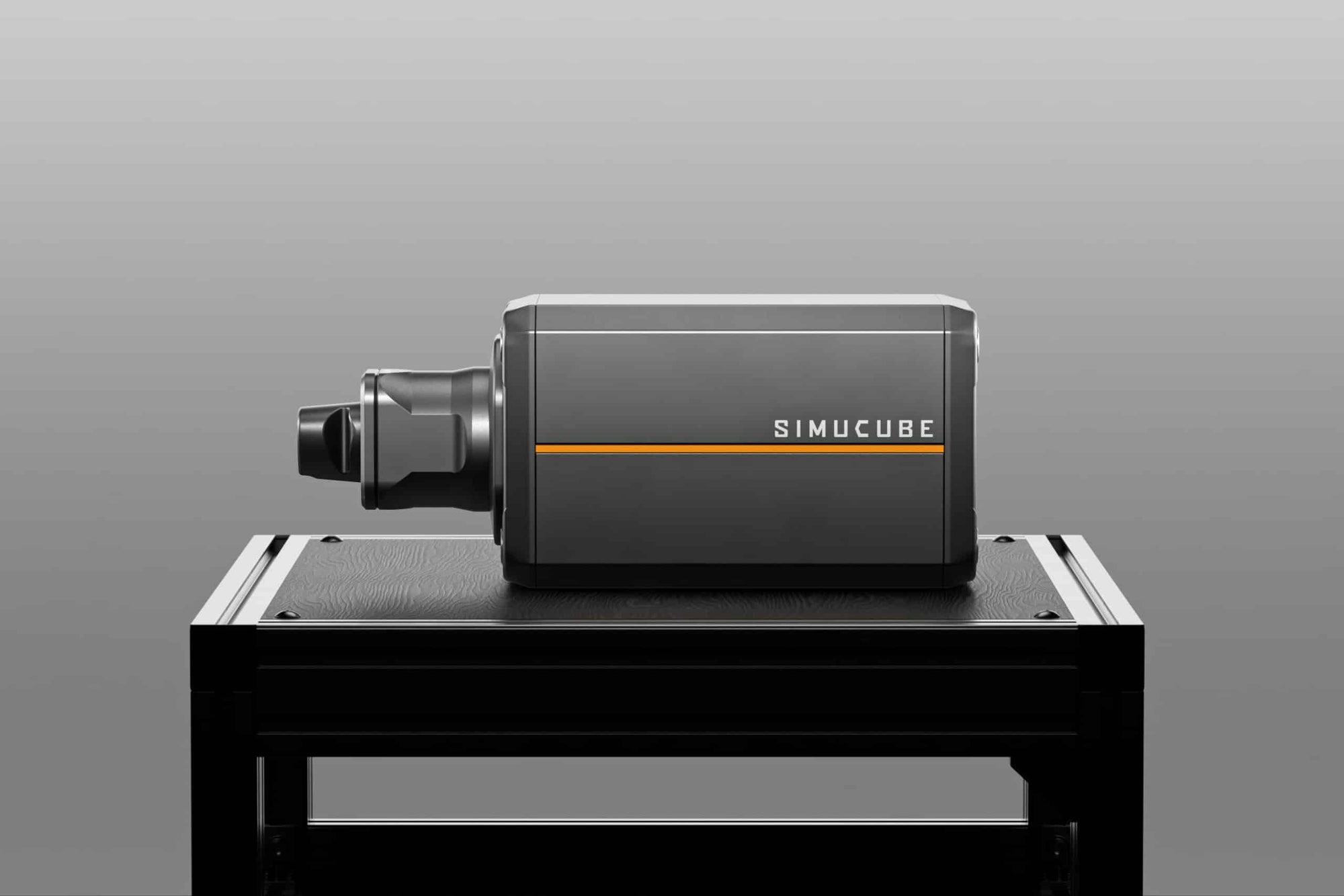
The Simucube 3 Ultimate uses a different motor. Where the Sport and Pro have an SPM (surface permanent magnet) motor, the Ultimate has a spoke-type IPM (interior permanent magnet) motor. Simucube says it took the digital-twin motor control roughly six times further on the Ultimate, collecting thousands of data points per unit. It weighs 13 kg against the Pro’s 11 kg, and it comes with a five-year warranty.
The Simucube 3 Pro gives you nearly all of the Ultimate for less than half the money. The Ultimate makes sense if you’re a pro or esports driver, if you run long high-torque stints, if you’re already deep in the Simucube ecosystem, or if you’d simply rather buy once. If you move a profile across from a Pro, drop the aggressiveness by 5 to 10 percent first.
How does the Simucube 3 feel to drive?
When I drove the Simucube 3 Pro, the feel broadly agreed with what I’d read. It was clean and smooth, with a lot of detail and no grain, and it felt light in rotation and immediate, and it was very quiet. The Simucube 3 needs little or no filtering on current firmware.
At launch the Simucube 3 had an oscillation problem, and a single update within weeks fixed it so thoroughly that its control of oscillation is now one of its strengths. Tuner 3.1.0 (1 June 2026) went further, with reworked background oscillation prevention and an adjusted motor control algorithm.
You can’t adjust the reconstruction filter yourself, which may be part of the reason it feels so smooth. With every adjustable filter switched off, it showed almost no oscillation in a worst-case test.
Road texture is the telemetry effect everyone who mentions it likes, while the cornering effect splits opinion. One reviewer runs about 20 percent of it in LMU (Le Mans Ultimate) and finds it useful, but others say it makes the wheel heavy and numb across the whole range, or turn it right down to 3 percent.
Owners describe the Simucube 3 Pro as warm, and maxed out it can run very hot. Simucube’s staff say around 58 C is not overheating, and its own warnings say the surface may reach 70 C.
Before Tuner 3.1, the Pro could feel a bit rubbery at iRacing’s default 60 Hz, and a back-to-back test after that update found it fixed. Tuner 3.1.2 lists “Improved iRacing 360 Hz handling”. If you’re setting up for iRacing, our iRacing Simucube settings are the place to start.
Nobody has measured the latency or run a blind test yet, and Simucube doesn’t publish a slew rate.
Which wheels work with the Simucube 3?
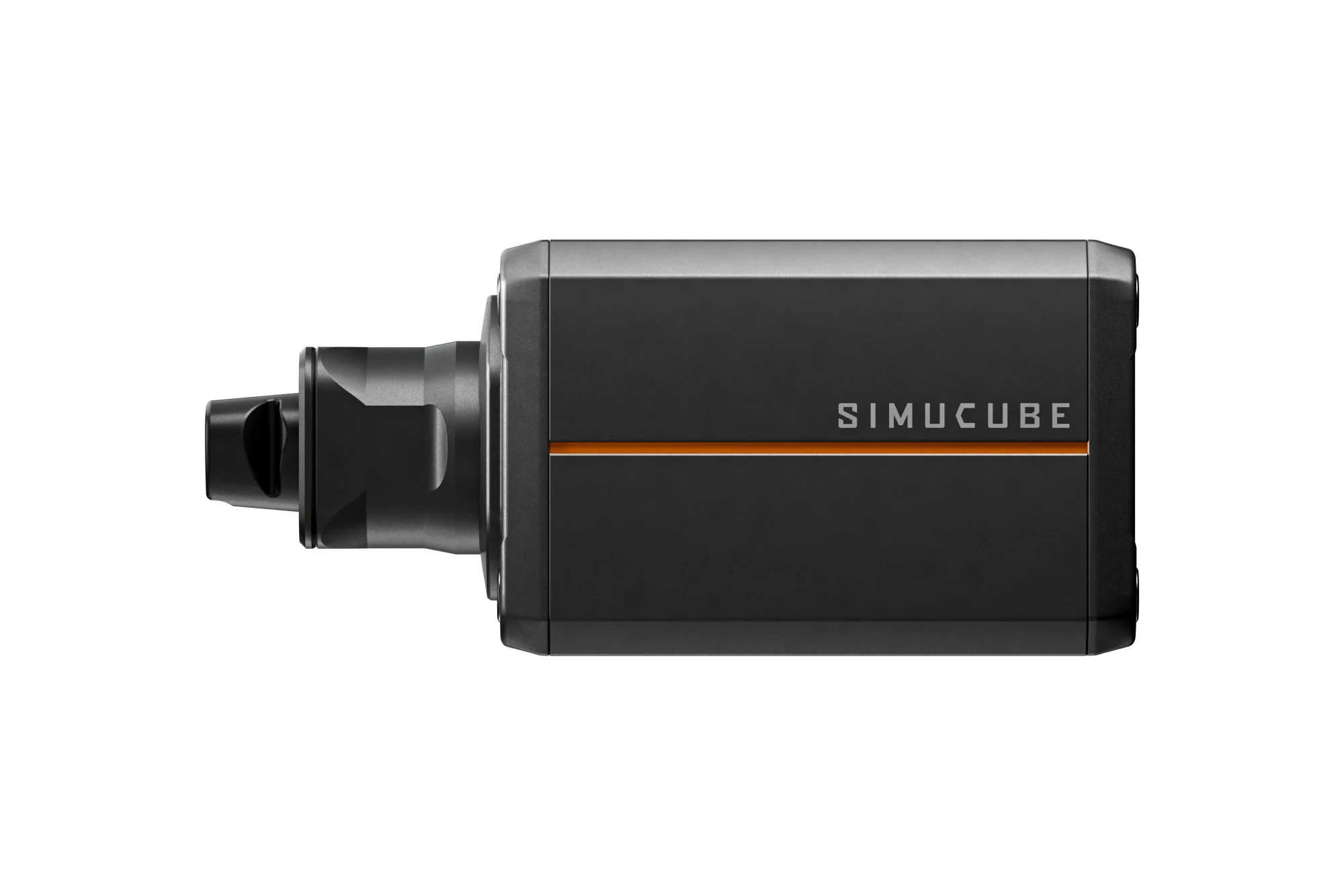
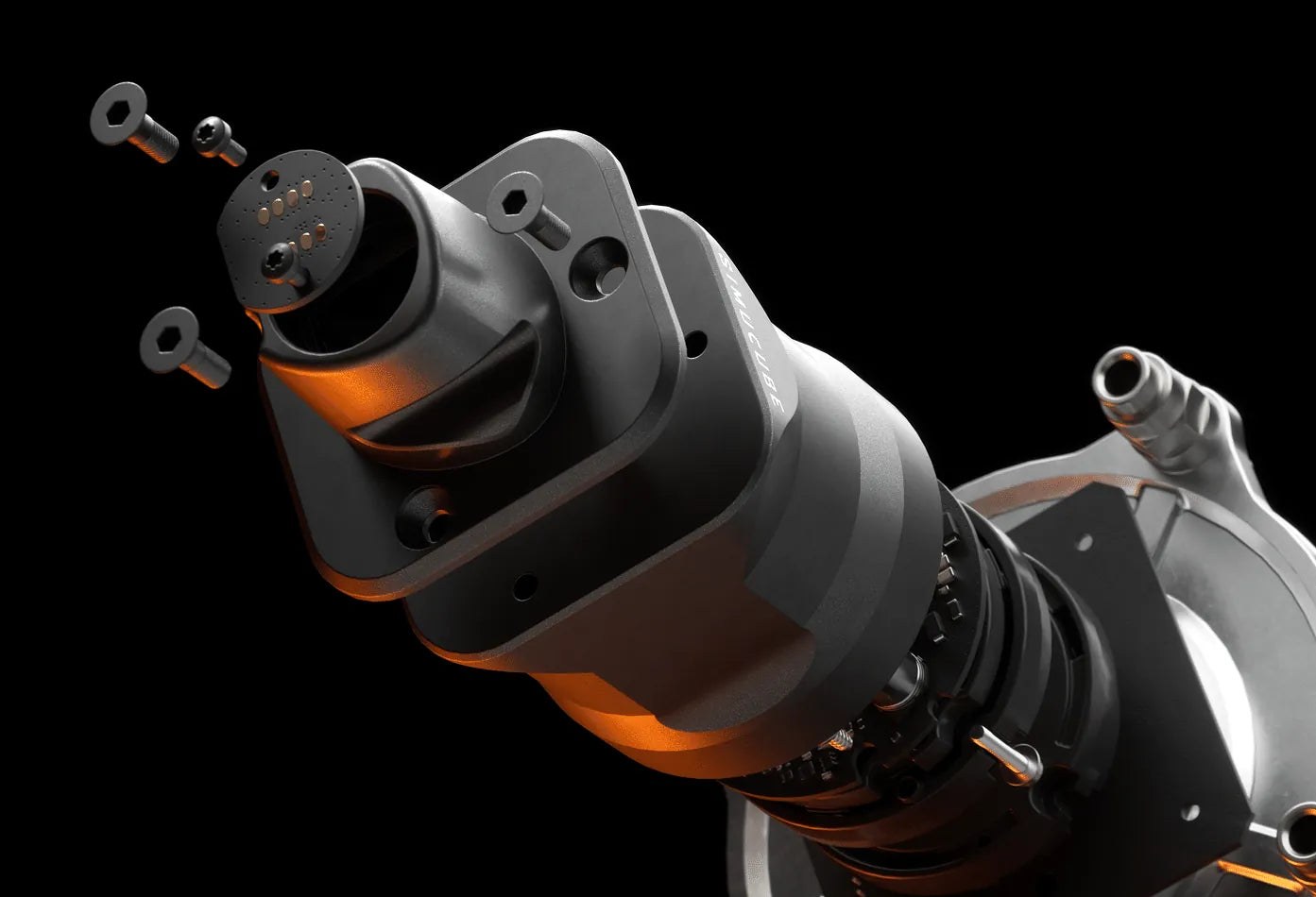
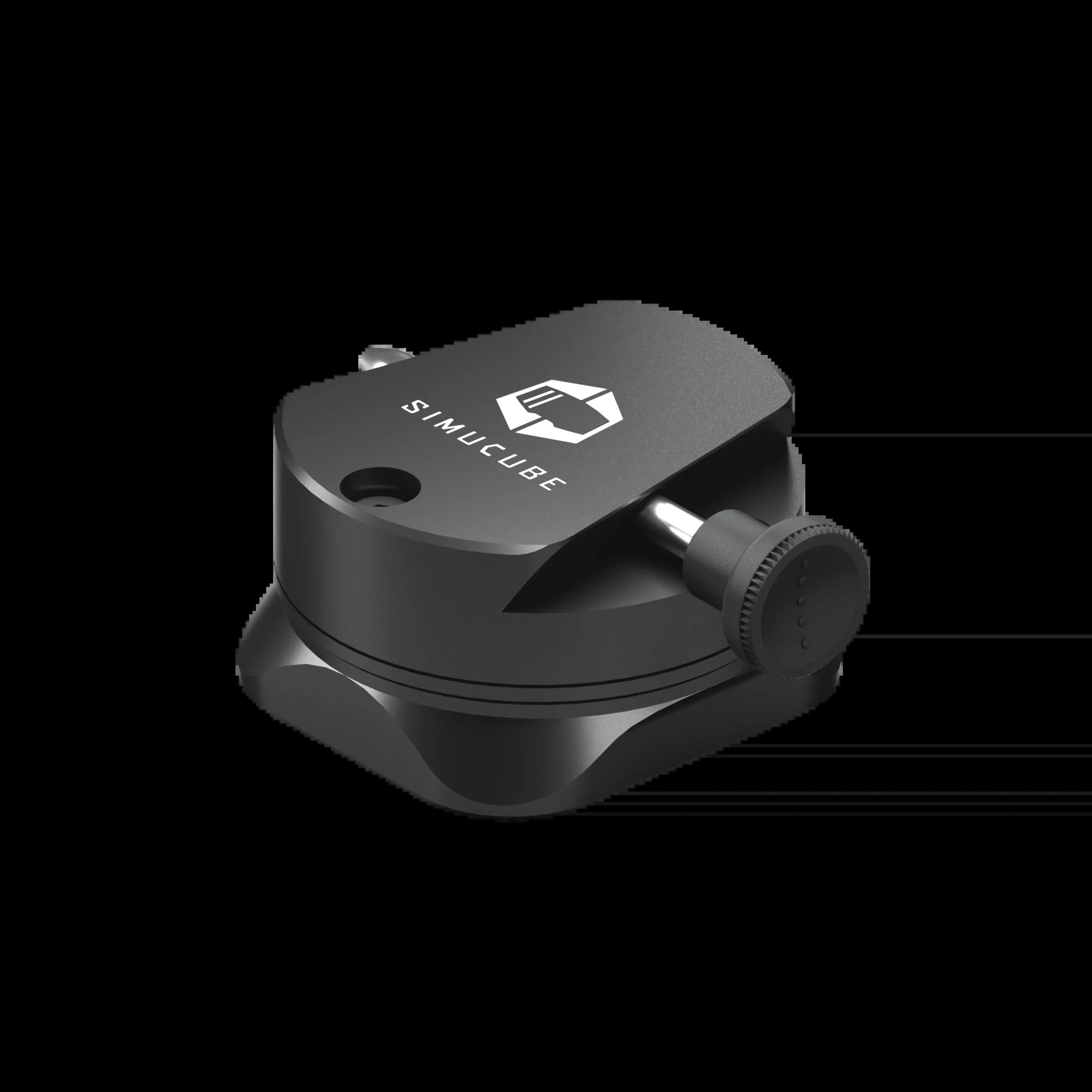
The Simucube 3 uses a new quick release, the Link Quick Release. It’s a polygon shape (Simucube calls it “P3G”) that self-centres, and mechanically it’s excellent, with next to no play and no flex. It’s stiff to remove when it’s new and loosens with use, and a dry PTFE lubricant helps. You need both hands to release it, and on some wheels the release handle can foul a USB cable.
Inside the quick release is LightBridge, Simucube’s name for the contactless link between the wheelbase and the wheel. Power goes across by induction, the same principle as a wireless phone charger, and data goes both ways through a ring of infrared LEDs and receivers. There are no cables and no slip rings.
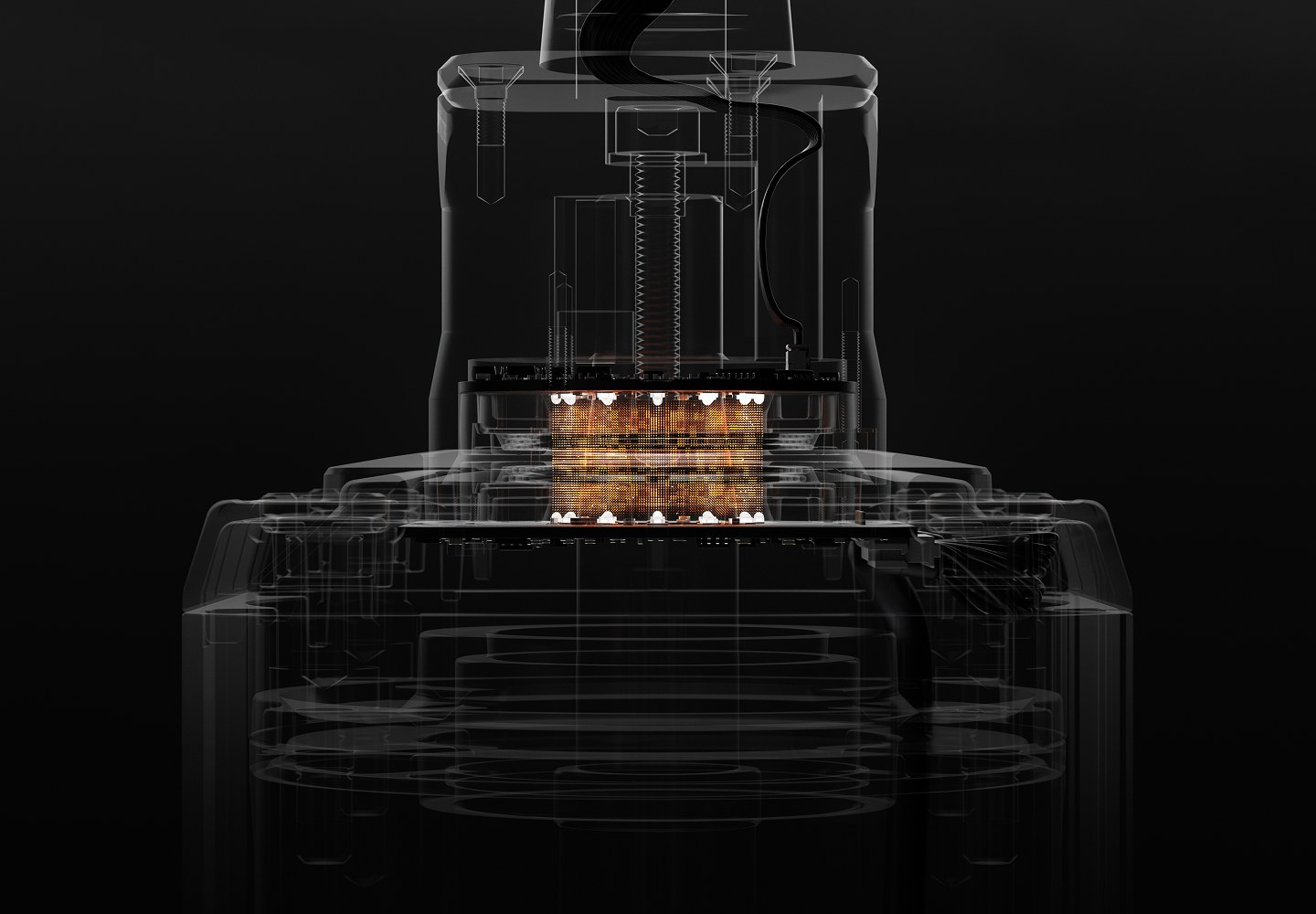
There’s no USB pass-through, though, which means the wheel’s buttons can’t talk to the PC through the quick release and need a cable of their own. Simucube’s product pages say: “There is no USB passthrough. However, you may still use USB wheels as with Simucube 2.” It can’t be added later, either, because the optical link runs at under 20 Mbit/s, far too slow to carry USB 2 at 480 Mbit/s.
A USB wheel you already own still fits, using the Simucube 3 70 mm Adapter, which takes any third-party 70 mm quick release. The adapter is mechanical only, so the wheel’s own USB cable runs to the PC, the same as on a Simucube 2. Simucube 2 wireless wheels fit mechanically through the Link Quick Release or the Simucube 2 Quick Release Adapter for Simucube 3, and their data goes through the Link Hub. There’s no LightBridge through the Simucube 2 adapter.
Wheels built for LightBridge are thin on the ground. The Simucube x BavarianSimTec Delta Pro SC uses LightBridge for power and data, but it was out of stock on 5 October 2026. Simucube’s own Savu Sport and Savu Pro take their power through the Link Quick Release and send their data wirelessly to the Link Hub. In June 2026 there was exactly one LightBridge wheel you could buy. Simucube’s wheel page now names Delta Sim Technologies, P1Sim (with its Beau Rivage) and SimCore as Link-wheel makers as well, and has Ascher, GSI, Cube Controls and SimRacingBay down for 2026.
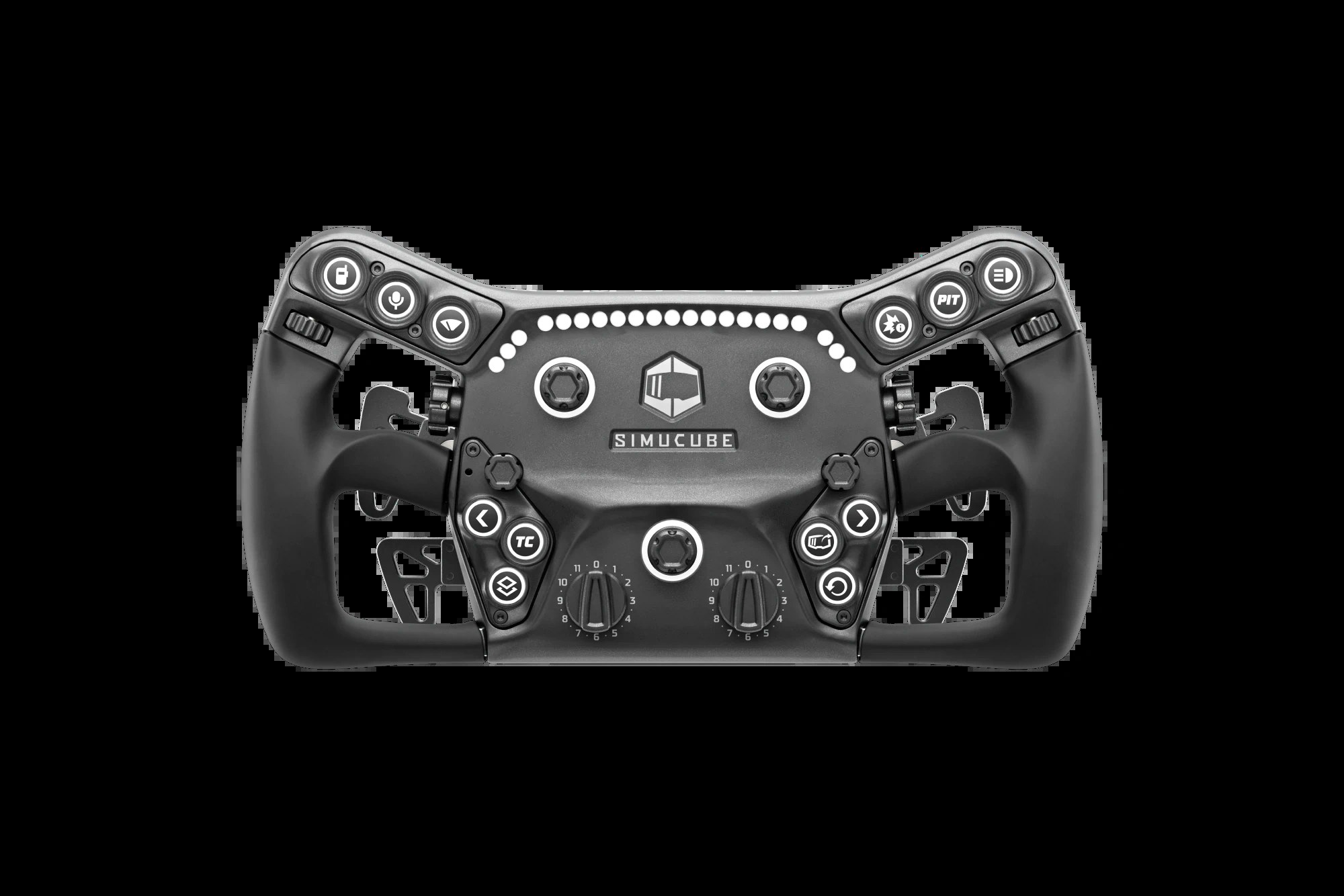
Some see a real lock-in for anyone with a wheel collection, while others think that’s overstated, because the adapters and cables work.
In my 2021 review I wrote that there was no play or flex whatsoever in my Simucube 2 Pro’s SQR hub. If I only ever had one QR hub for the rest of my sim racing career, I’d be more than happy to stick with the SQR.
The wheel-side Link Quick Release alone was $169 on Simucube’s US store on 5 October 2026, and none of the accessories is cheap.
The Link Hub, control box and mounting
The Simucube 3 can’t connect to your PC directly. It goes through the Simucube Link Hub, which connects to the PC by USB and to your Simucube devices over galvanically isolated Ethernet. If you’re running more than one Simucube Link device, say the wheelbase plus ActivePedals, you’ll need an Ethernet switch. Simucube sells a Teltonika one, and its staff say any switch works. If you own Simucube ActivePedals or a Valo GT-23, you already have a Link Hub.
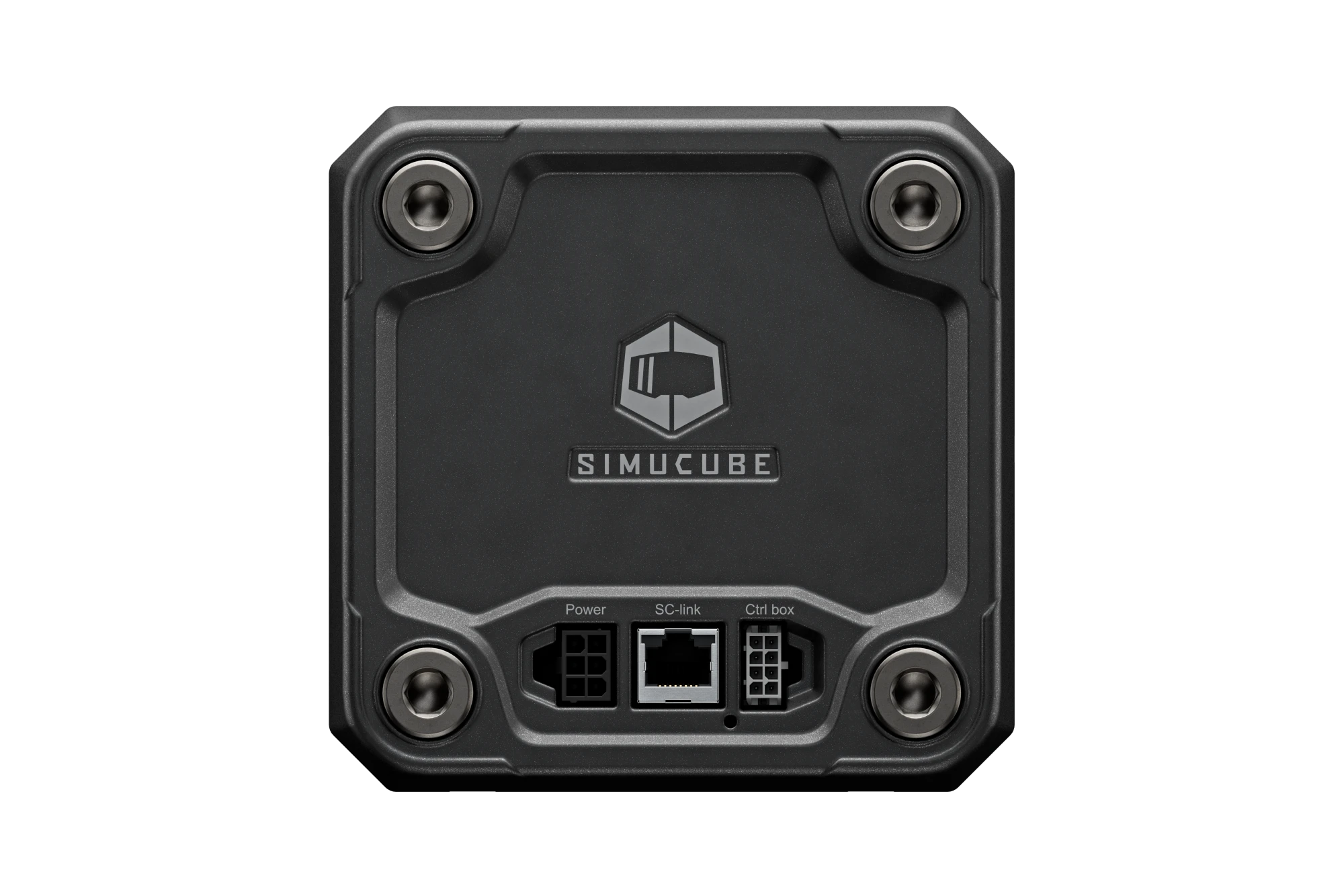
Every Simucube 3 comes with the control box. It has a torque-off (emergency stop), a power switch, a rotary encoder that changes force feedback strength on the fly with an on-screen overlay, and a sleep/activate button that wakes every Simucube device, pedals included. You can assign other parameters to the rotary in Tuner. A Simucube 3 won’t even switch on without the control box connected. Being able to change FFB strength mid-session without leaving the seat is an improvement you’ll use every day.
Early control boxes were sensitive to electrical noise on some rigs, with the strength changing by itself. A plastic spacer under the box can cure it, and ferrite beads fixed it for nearly everyone. Newer batches ship with ferrites, and support sends them out free.
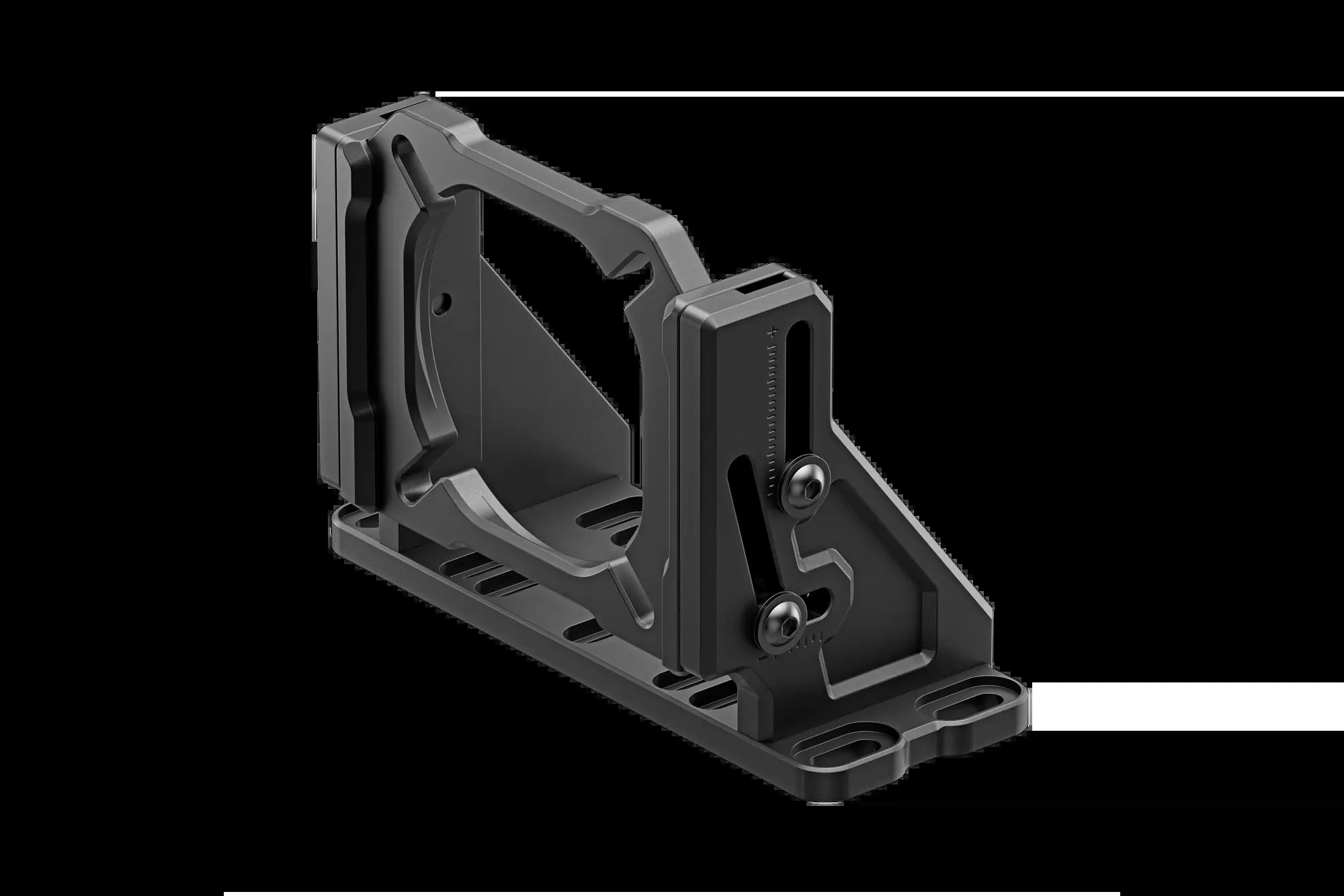
Every model has a front mount (four M8 bolts on a 135 mm circle) and a bottom mount (M6 T-slot nuts 78.4 mm apart), and the bottom one is the common Fanatec-style pattern. My Simucube 2 Pro front-mounts on four M8 bolts. The Simucube 3 is shorter than the Simucube 2, too, at 278 mm for the Sport, 303 mm for the Pro and 323 mm for the Ultimate, including the quick release. Its front pattern seems to be slightly smaller than the SC2 Pro’s, though, so if you’re coming from a Simucube 2, check a fixed-hole front bracket before you order. Simucube’s Wheelbase Mount v2 fits both.
Simucube Tuner 3
Simucube Tuner 3 runs both the Simucube 3 and the Simucube 2, and the current version is 3.1.6 (14 September 2026). Simucube 2 Paddock profiles moved into Tuner’s online profiles with 3.1.0 in June 2026.
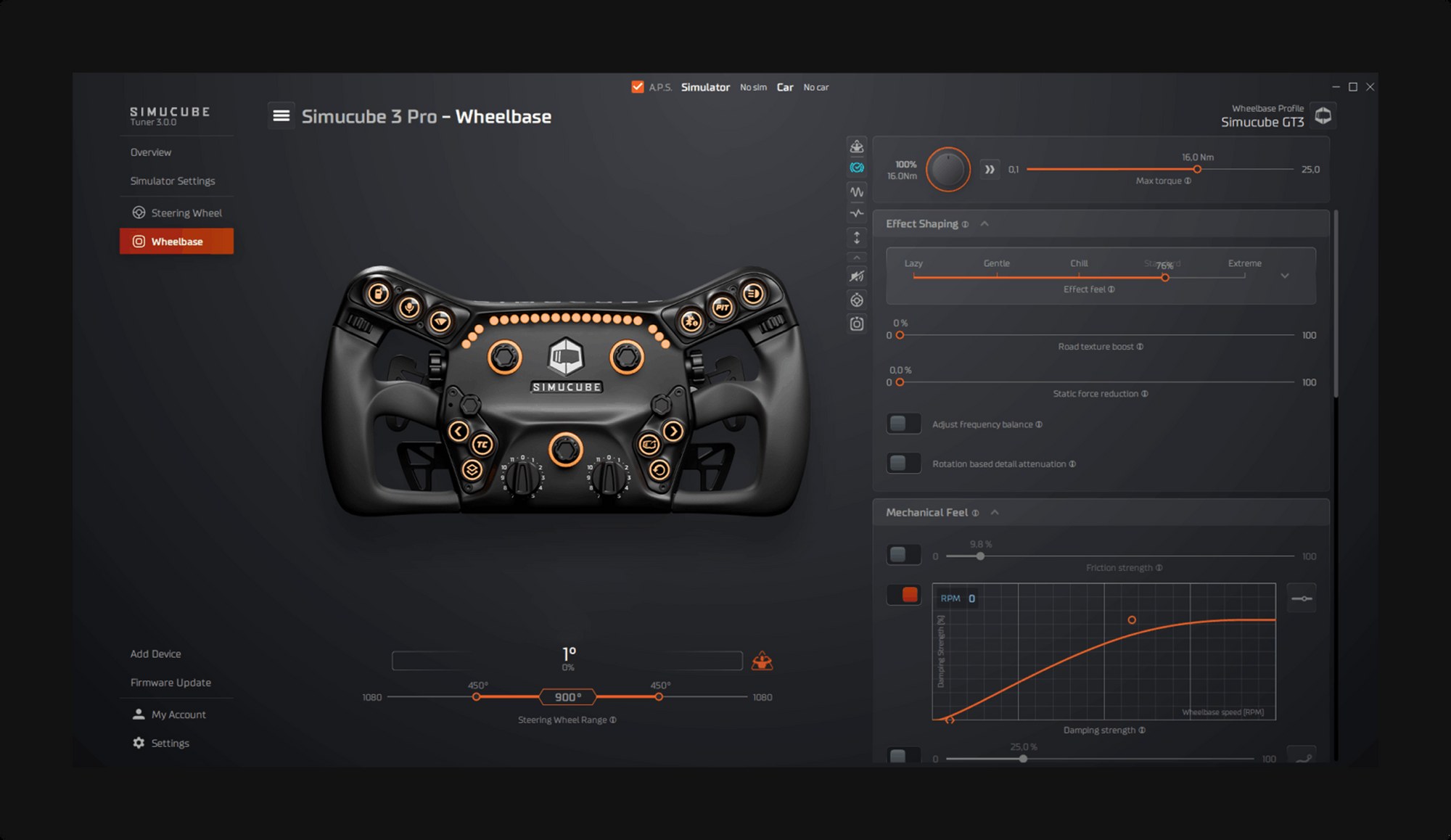
Tuner 3 is clean and well laid out. At the top level there’s a single effect feel slider that runs from Lazy to Extreme, and it opens out into detail strength and aggressiveness. Underneath that there’s real depth, with EQ, angle-based detail attenuation, and damping and inertia curves. Profiles switch automatically per sim or per car.
DirectInput is the game’s own force feedback signal. Tuner mixes the telemetry effects (road texture, ABS, RPM, cornering and gear change, in supported sims) with it on separate gains. The combined force feedback graph shows when DirectInput plus telemetry is clipping, which the game’s own meter can’t see.
Were the launch problems fixed?
Yes, for the most part, although the launch was rough on some units. Between November and December 2025, some Simucube 3s showed oscillation, FFB “click” or knock spikes and control box instability. Not every unit was affected, and Simucube responded fast with test builds and patches every few days. Early buyers were, in effect, beta testing a premium product.
Tuner 3.0.1 (26 November 2025) improved control box reliability and glitch handling. Tuner 3.0.2 and 3.0.3 (28 November and 4 December) dealt with the FFB click, and 3.0.4 (18 December) addressed reduced FFB in certain conditions. Then 3.1.0 (1 June 2026) reworked the oscillation prevention, and 3.1.4 (20 August 2026) addressed vibration with the long shaft extension.
There’s no reliability data beyond about ten months of ownership yet. The range now ships on mature firmware, but by one account it’s still a bit more sensitive to electrical interference than some bases.
Simucube 3 vs Simucube 2 Pro
I’m a very happy owner of a Simucube 2 Pro, as I wrote in 2022, and that hasn’t changed. When I reviewed mine in 2021, it was the little details that stood out, like the way the wheel pulled slightly in the direction it was turned on a front lock, as if the tyre walls were folding.
A well set-up wheelbase, in terms of the tuning, will usually always win in the end. You adapt to the more unique attributes of each wheelbase’s force feedback, so seat time plus refinement over time is better than expecting the newest device to make you faster.

The Simucube 3 is better than the Simucube 2 Pro, but it’s an evolution, not a revolution. It’s cleaner, lighter-feeling and more immediate, with finer detail. The rest of what’s new is the control box, the telemetry effects, bottom mounting, the Link Quick Release, a shorter body and Tuner 3. On r/simracing, one owner was shocked by how different it feels, while others call the gain marginal at best.
One reviewer ran a same-session lap test, SC2 Pro against SC3 Pro, in an Aston Martin at Watkins Glen. He was slower on the Simucube 3 at first, and only got back to his SC2 pace, then a touch quicker, after tuning it. His answer to whether it’s faster was yes and no, and his wheel and pedals changed between the runs as well.

The Simucube 2 Pro is still sold new on simucube.com, and Simucube says the SC2 will keep getting support. If you want the longer story on mine, my Simucube 2 Pro review covers the installation and setup.
How does it compare with other high-end bases?
The high-end rivals in our direct drive wheels guide are close to the Simucube 3 on feel. They win on USB pass-through and lower prices, which is where the Simucube 3 is weakest.
To one reviewer, the VRS DirectForce Pro feels comparable despite its 20 Nm to the Simucube 3 Pro’s 25, and the Simagic Alpha EVO has a very similar low-inertia feel. VNM’s base is close too, in his view, with the Simucube 3 a little more polished and the VNM more agile and experimental.
Owners on r/simracing moving up from a Fanatec Podium DD1, a CSL DD or a Conspit Ares report a clear step, while owners coming from a Simagic Alpha EVO Pro or Alpha Ultimate report little difference.
Pros and cons
Pros
- Clean, smooth force feedback with a lot of detail and no grain
- Very quiet, and needs little or no filtering
- The control box changes FFB strength without leaving the seat
- Tuner 3’s combined graph shows when DirectInput plus telemetry is clipping
- Front and bottom mounting, in a shorter body than the Simucube 2
- Simucube’s store lists three years’ warranty on the Sport and Pro, five years on the Ultimate
Cons
- No USB pass-through
- Very few LightBridge wheels on sale
- The Link Hub and the wheel-side quick release cost extra
- The most expensive option at each torque level, and the accessories are pricey
- A rough launch for some early buyers
- PC only
Who should buy a Simucube 3?
Buy the Simucube 3 Pro if you’re on PC and buying a high-end wheelbase from scratch.
The Simucube 3 Sport makes sense if 15 Nm is enough and you’d rather keep the difference. Only go for the Simucube 3 Ultimate if you’re a pro or esports driver, you run long high-torque stints, you’re already deep in the Simucube ecosystem or you’d simply rather buy once.
If you’ve got a collection of USB wheels, weigh up fitting the 70 mm adapter and running a USB cable to every wheel against a rival with USB pass-through.
And if you’re a happy Simucube 2 Pro owner, you don’t need to move. I haven’t.
Where to buy the Simucube 3
Simucube sells all three direct from simucube.com. On the US store on 5 October 2026, the Sport was $1,399, the Pro $1,599 and the Ultimate $3,299, with the Link Hub adding $100. The UK store has them from £1,159, £1,399 and £2,899, and EU prices vary with each country’s VAT. The Link Hub option is selected by default, so untick it if you already have one. Prices move, so check them at the checkout.
If you need a wheel as well, there are Simucube 3 bundles, including ones with Simucube’s own Savu Sport and Savu Pro, and you’ll find them in the table below. A Link Hub is still needed with each one.
I’ll see you out on track!
Related Articles
Simucube 3 Review: Sport, Pro and Ultimate
The Best Direct Drive Wheels for Sim Racing
Fanatec Podium DD Review
Le Mans Ultimate – Sorting Out the FFB Settings with Revosim
REVOSIM RS Pure 9Nm Bundle Review
Moza R12 V2 Review: Two Generations and My Own Measurements
Topic: Direct Drive Wheels