

I’m a sim racer and amateur racer with a passion for Motorsport, good racecraft and the technical and setup aspect of sim racing.
You’ve got the headset on (or you’re about to), and now comes the fun question: what do you fly? I’ve spent a lot of hours in VR across MSFS 2024 and DCS, and dipped into plenty of the rest, so this is my steer on what’s worth your time in a headset right now – the serious study sims, the pick-up-and-play combat, and the best of what runs on a standalone Quest with no PC at all.
One thing to get straight before we get started. Most of the big sims here are PC VR – they run on your gaming rig and drive a tethered or streamed headset (a Pimax, a Valve Index, or a Quest over Link). A handful run entirely on the Quest itself, no PC needed, which, I’ve flagged in their own group at the end of each section. If you’ve not sorted a headset yet, my best VR headsets for flight simulation guide covers which one to buy for this; the Pimax Crystal Light is the one most of the flight-sim crowd have landed on (code SIMRACINGCOCKPIT for 2% off).
Quick Navigation
Jump straight to a title:
DCS World |
MSFS 2024 |
IL-2 Great Battles |
X-Plane 12 |
Aerofly FS 4 |
VTOL VR |
Aces of Thunder |
War Thunder |
Elite Dangerous |
Star Wars: Squadrons |
Ultrawings 2 |
Warplanes (Quest)
Quick version, if you just want the steer: for the deepest experience it’s DCS (combat) or MSFS 2024 (civilian), and both will happily eat every frame your graphics card can produce. Want the cockpit hand-interaction without buying a HOTAS? VTOL VR. WWII dogfights? IL-2 or the brand-new Aces of Thunder. No gaming PC at all? Skip to the Quest section at the bottom. Now the detail.
DCS World
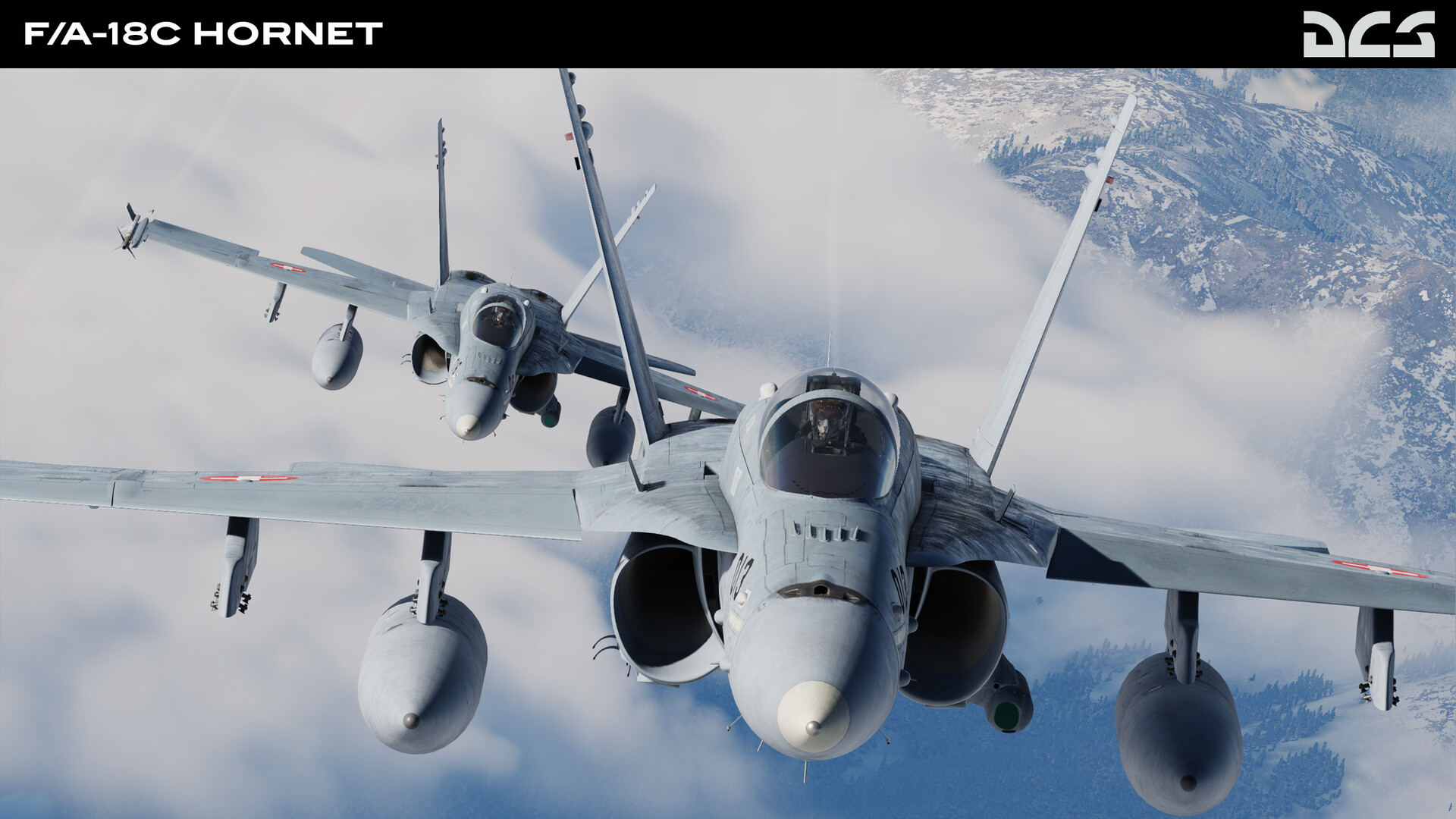
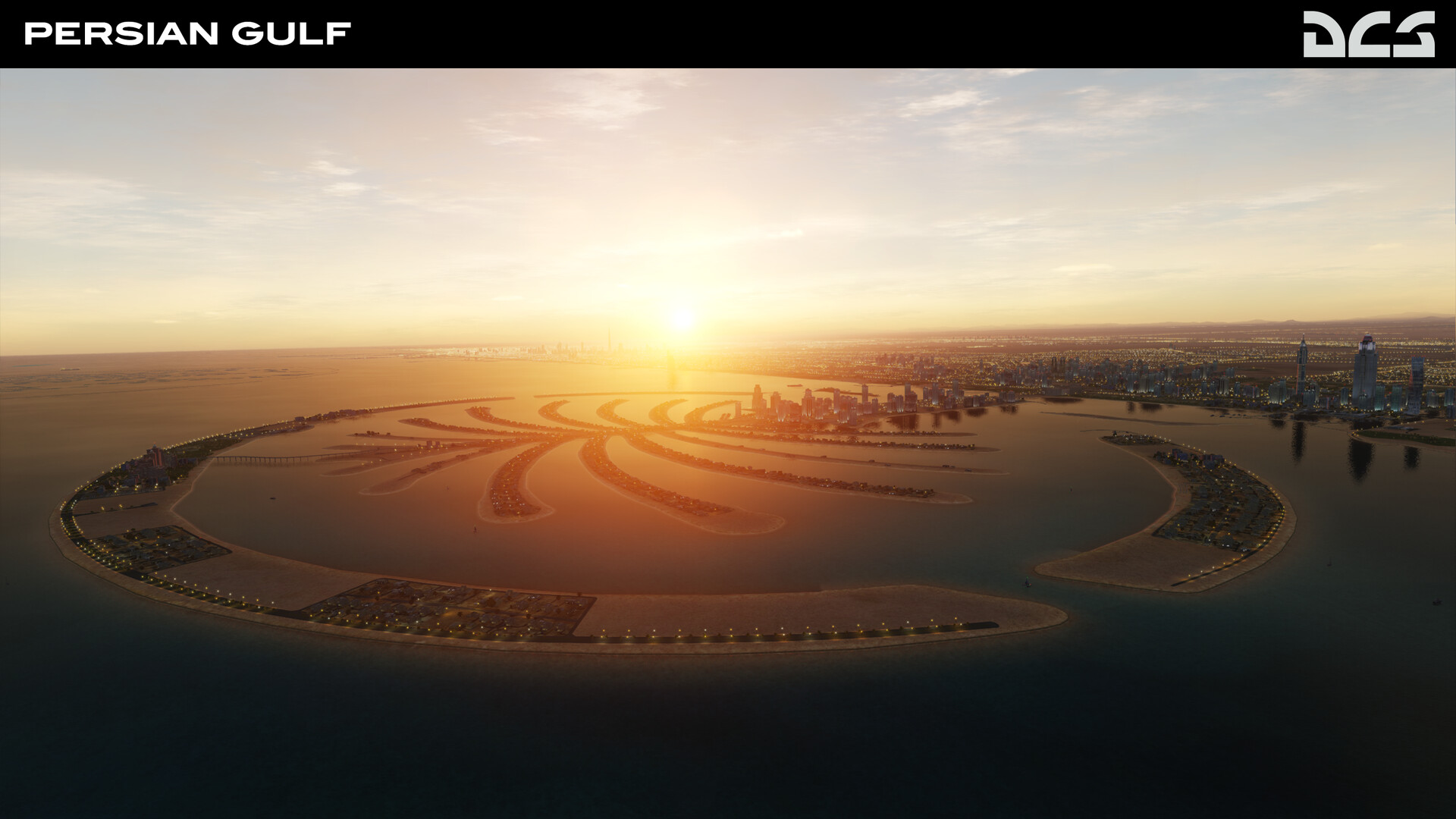
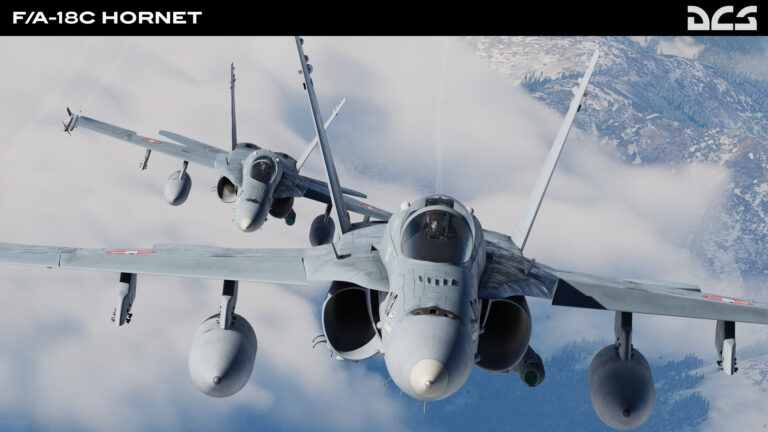
DCS is where I spend most of my combat-flying time in VR, and it’s the sim that made the case for a headset in the first place. The cockpits are clickable and study-level – you reach out and flip the actual switches – and in VR that stops being a gimmick and becomes the whole point. Depth perception turns formation flying, air-to-air refuelling and carrier landings from a guessing game into something you can judge by eye. DCS is serious simulation.
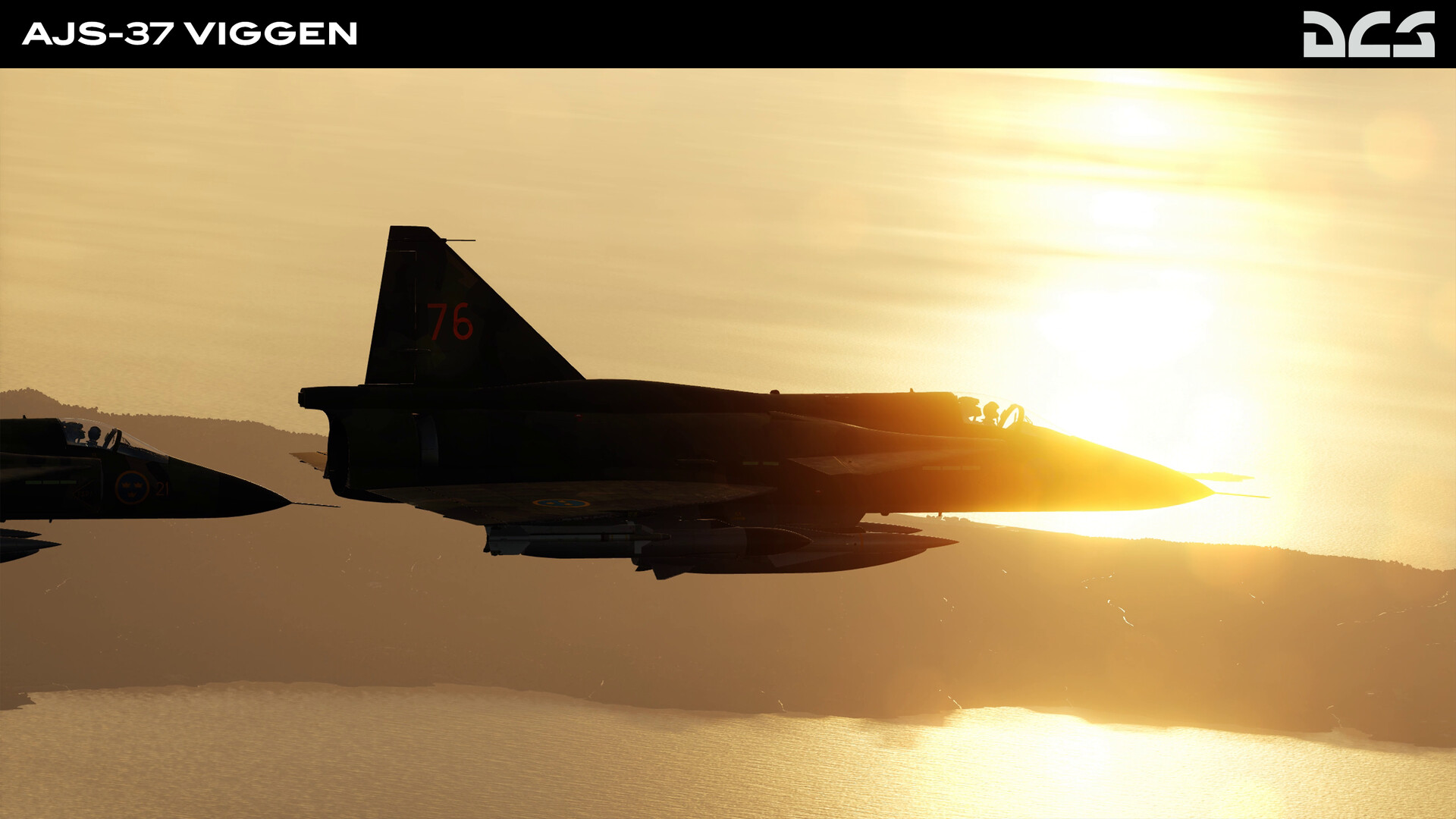
It’s also the most demanding title on this list by a distance: high-resolution headsets and heavy shaders punish your GPU, so DCS is the classic reason people end up upgrading both their headset (may I recommend the Pimax Super Oled) and their graphics card (go on: buy a 5090 :). The base game is free; individual aircraft modules (the Hornet, the Viggen, the Apache) are where the money goes, at roughly £40-60 each. If you want the deepest single-aircraft systems in the hobby and you don’t mind tinkering, nothing else gets close.
Microsoft Flight Simulator 2024
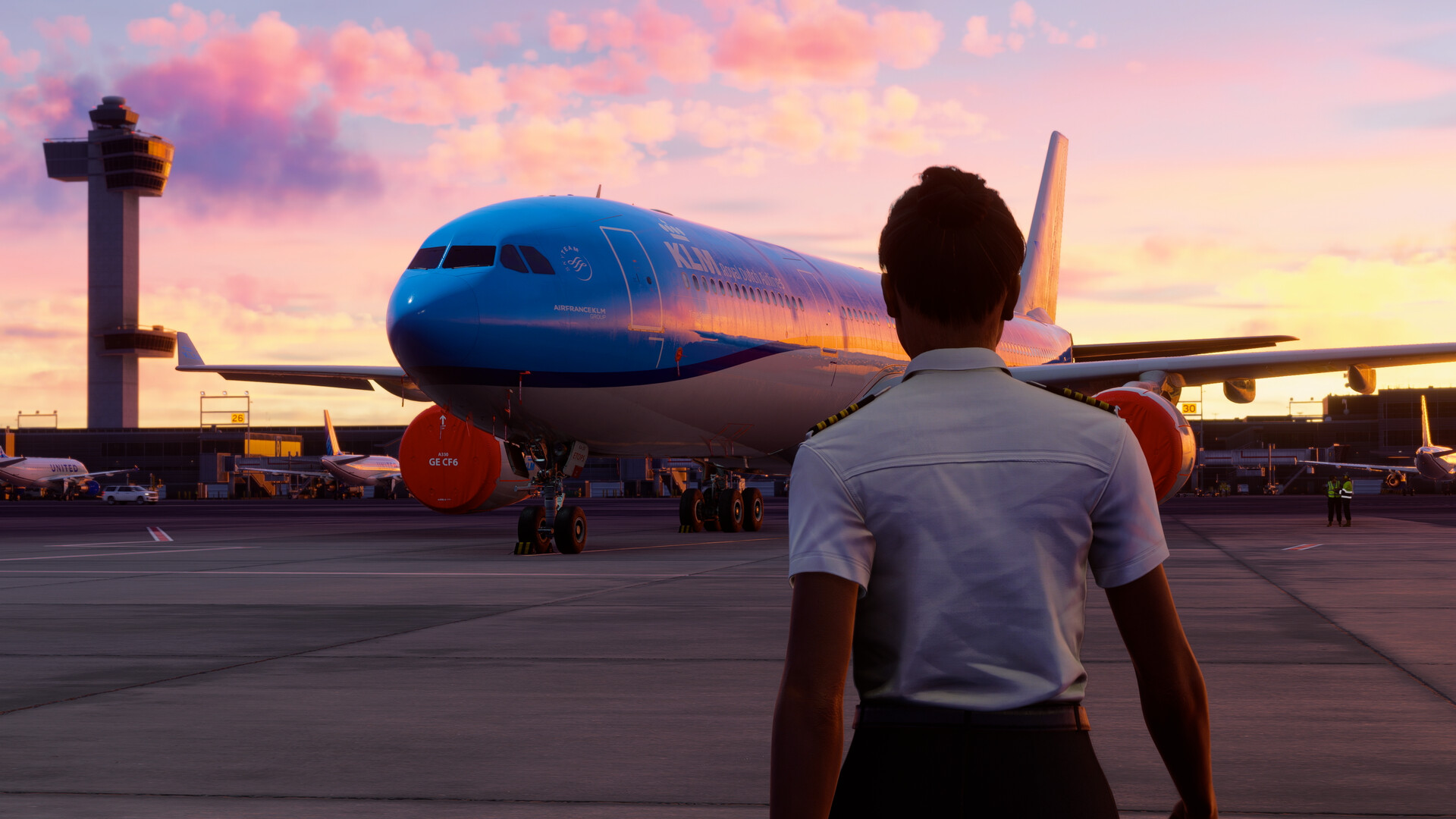
If DCS is the combat one, MSFS 2024 is the one I load up when I just want to fly. Sitting in a detailed airliner or a little Cessna over a real, streamed planet is, for me, the single best showcase of what VR does to flight sim – you get a sense of scale and place that a monitor flattens completely. VR is built in and toggles with a keybind once you’re in a headset session; it runs on OpenXR natively, so you don’t strictly need any extra toolkit (though plenty of us run OpenXR Toolkit for tuning). Like DCS, it’s hungry, so a clarity headset such as a Pimax shines here but wants your settings dialled in. It’s the most accessible on-ramp to VR flight there is, it’s on Game Pass, and the career mode (bush flying, helicopters, firefighting) gives you a reason to keep coming back.
IL-2 Sturmovik: Great Battles
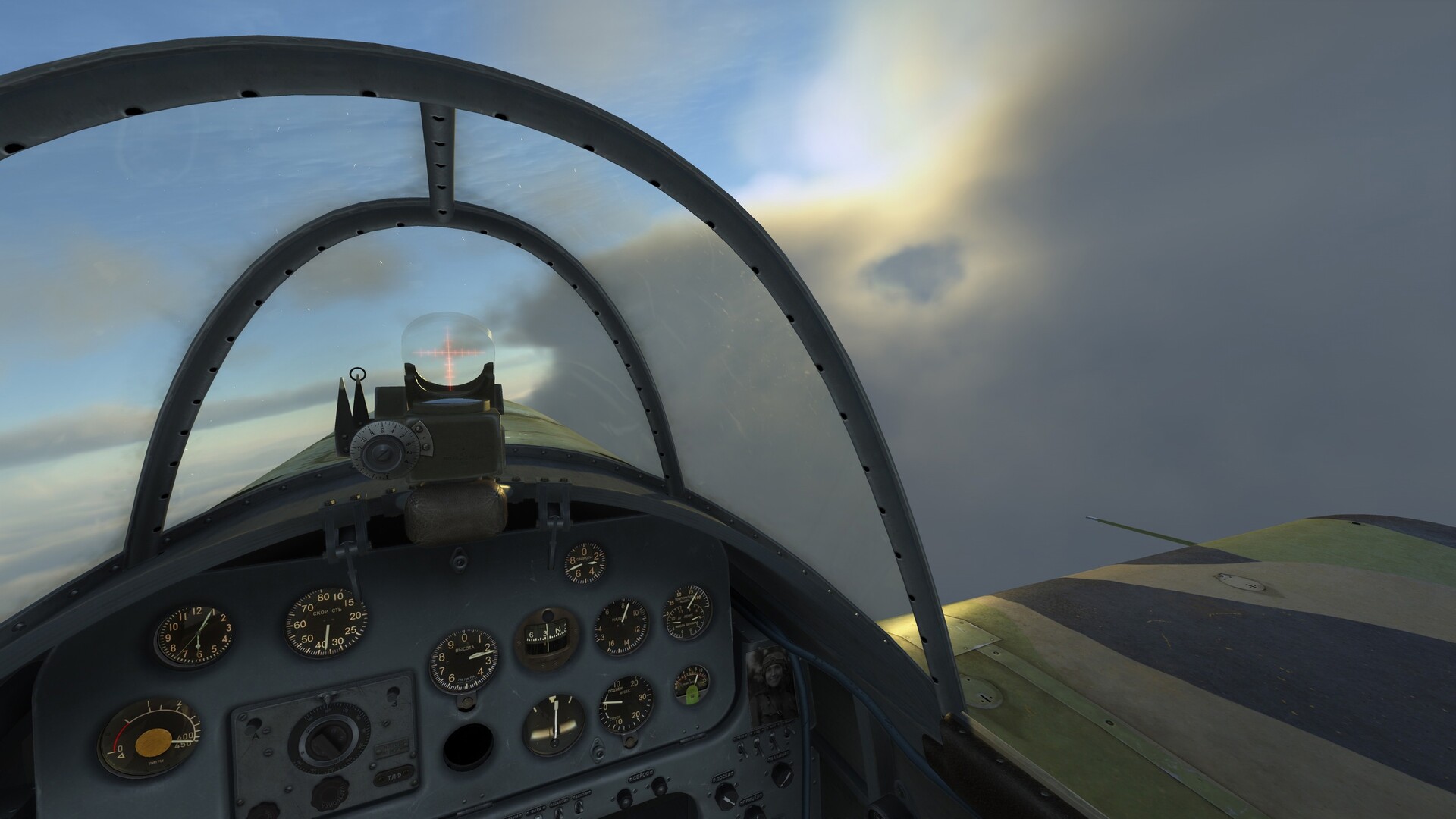
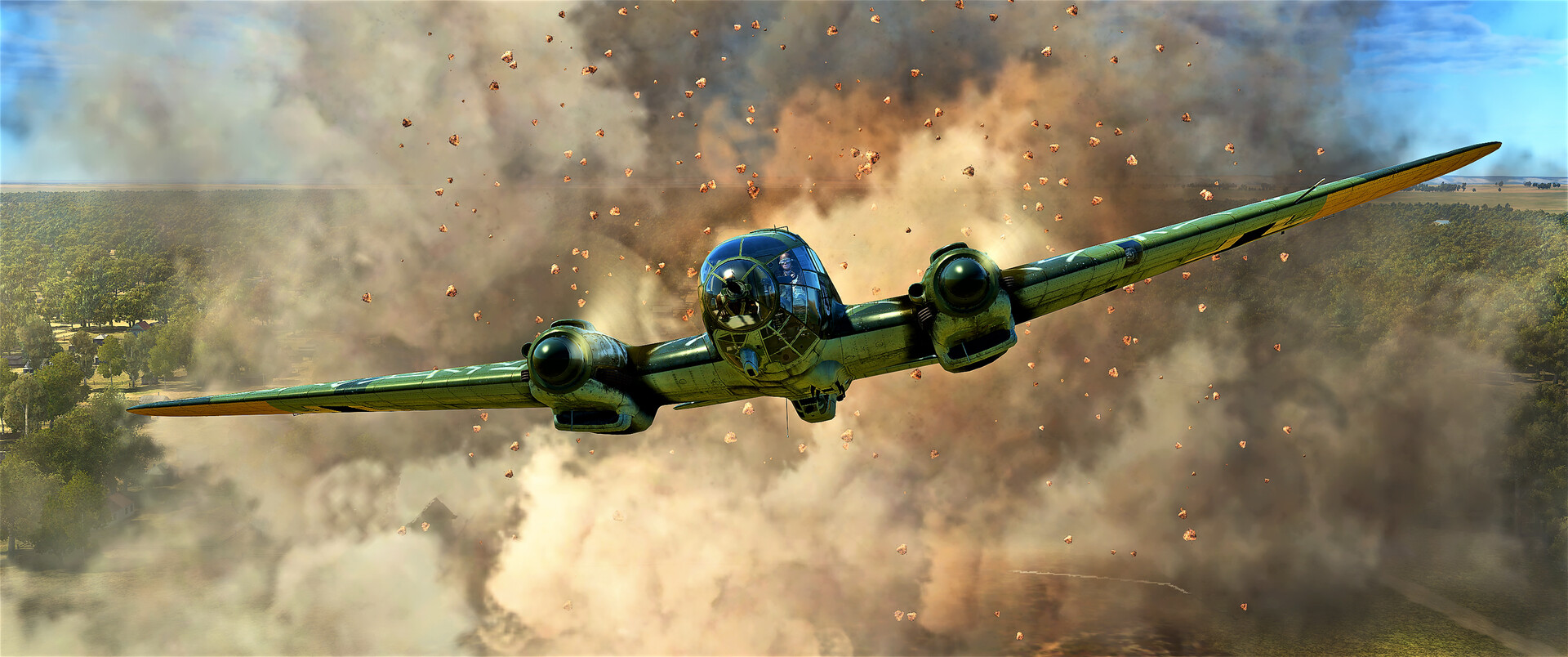
IL-2 is the one the WWII prop crowd swear by, and it’s an easy recommendation for VR. Dogfighting a Bf-109 or a Spitfire is where turning your head to check your six stops being a keybind and becomes the natural thing you do – you physically look over your shoulder to keep an eye on the bandit. The gauges and gunsights read cleanly, low-level ground attack over the hand-built terrain is properly visceral, and, usefully, it runs a good deal lighter than DCS or MSFS. If your GPU isn’t a monster, this is a way into gorgeous VR combat without the frame-rate fight. Base title is around £40 with expansions on top.
Visit Our Sponsors
X-Plane 12
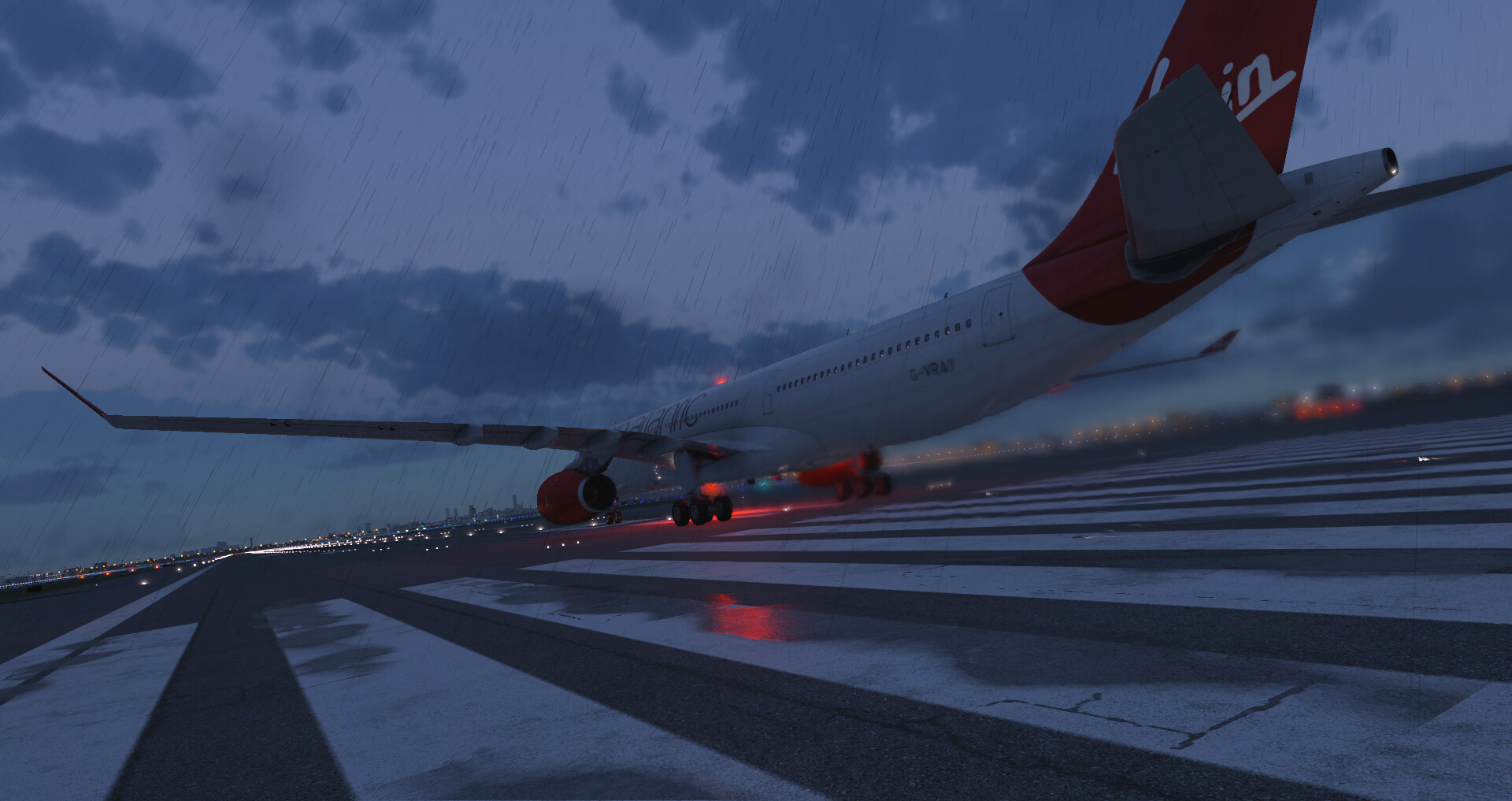
X-Plane isn’t a sim I fly regularly, so I’ll not pretend to hundreds of VR hours in it – but it earns its place here on reputation, and the people who live in it are serious about it. Its calling card is the flight model: physics-driven (blade-element) rather than table-driven, which the real-world pilots and home-cockpit builders reckon makes hand-flying an approach feel more like the real thing than anywhere else. VR is native, with proper motion-controller interaction with the cockpit, and helicopter and glider modelling that’s a cut above. If flight-model fidelity is what you care about over marketing gloss, X-Plane 12 is the purist’s pick, around £60.
Aerofly FS 4
Aerofly is the one I’d point you at if your PC is middling and you’re tired of chasing frames. IPACS built the engine around VR from the start, so it holds high, smooth frame rates on hardware where MSFS and DCS start to stutter – and smoothness, in VR, is comfort. The cockpits are fully interactive, the scenery is photoreal (strongest across the USA and Europe), and it’s the go-to “great VR flying right now, without a £1,500 graphics card” recommendation. The trade-off is scope: the world database is narrower than MSFS’s whole-Earth streaming. Around £50, and worth it if a stutter-free headset experience matters more to you than a global scenery database.
The specialists and the pick-up-and-play
VTOL VR
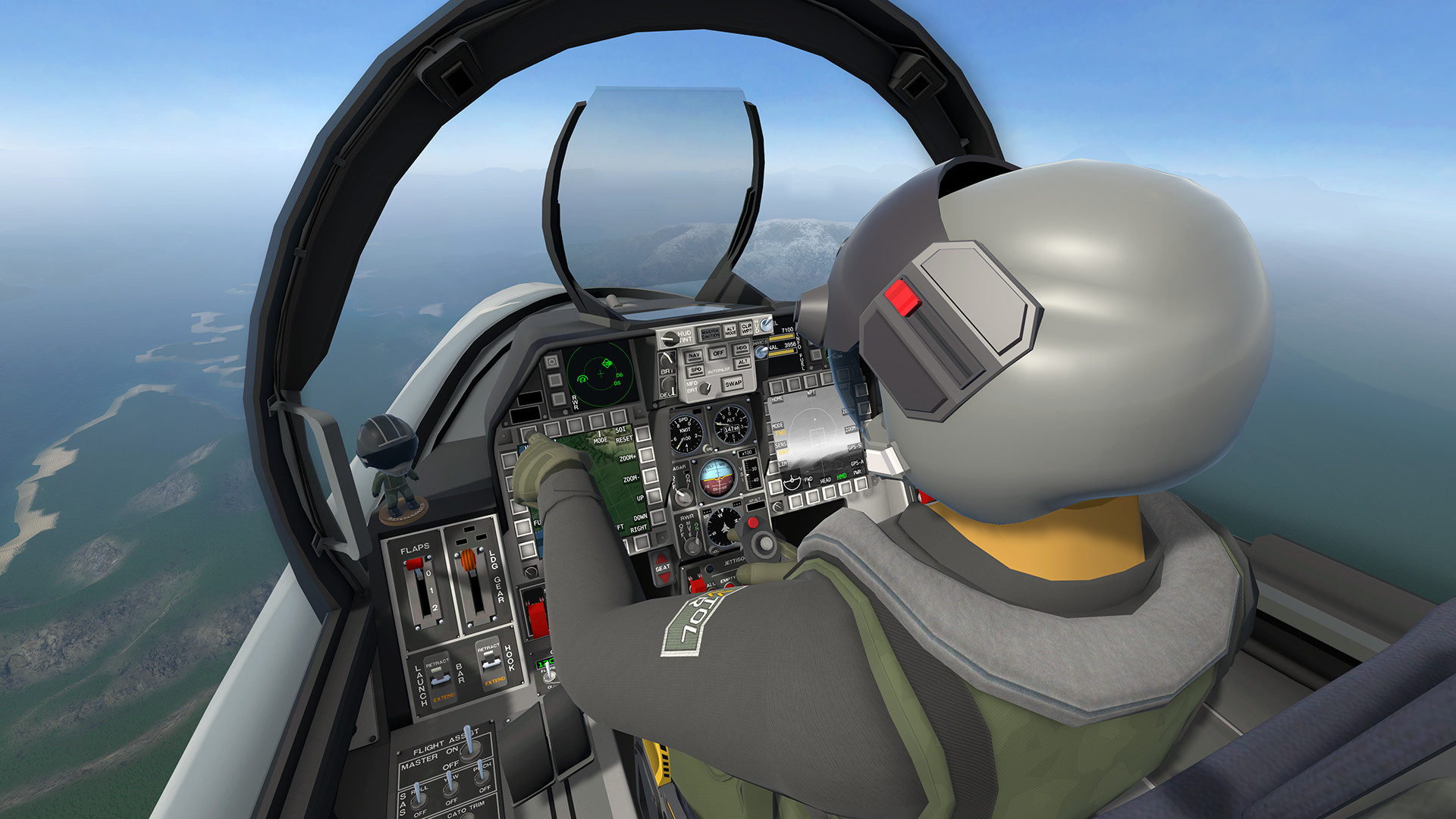
VTOL VR is the clever one. It’s built for VR only – there’s no flat-screen mode – and you fly by physically grabbing the stick and throttle and prodding the touchscreen MFDs with your hands. No HOTAS required, because your controllers are the controls. That makes it the purest expression of the “my hands are in the cockpit” feeling that DCS approximates with a physical throttle. The graphics are deliberately clean and cheap to run, so it flies beautifully on any headset and is superb for motion comfort. If you want deep combat-sim mechanics without a desk full of hardware, or your PC can’t push DCS, this is the one to buy first. About £25, and worth every penny.
Aces of Thunder
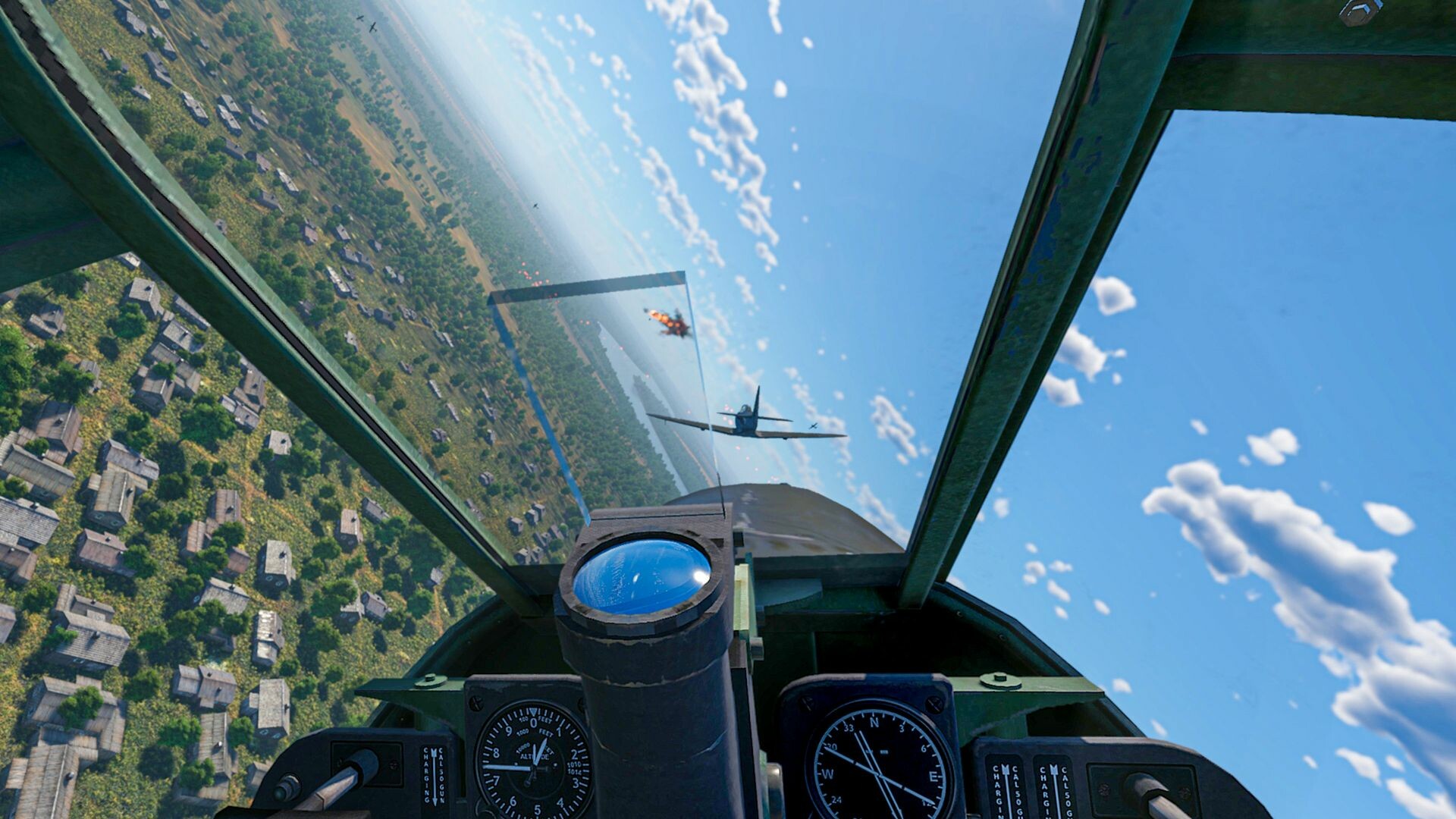
The newest name here, and one to watch. Aces of Thunder landed in February 2026 from Gaijin (the War Thunder studio), and it’s VR-native – designed for a headset from the ground up rather than having VR bolted onto a flat game, which shows in the cockpit clarity and the sense of scale in a dogfight. There’s a solo campaign and multiplayer, and an accessibility slider that runs from arcade to sim, so you can pitch the difficulty where you like. If you want modern, good-looking WWII air combat without IL-2’s study-sim learning curve, this is the fresh alternative. Around £25.
War Thunder (VR mode)
War Thunder is the free way in. It’s a huge free-to-play combined-arms game, and for our purposes the draw is the aircraft, which you can fly in VR through an OpenXR toggle (Quest works over Link or Air Link). The cockpits in the Simulator battles are detailed, and it costs nothing to try. Two caveats: VR is a supported-but-secondary mode here, so the menus and UI are flat-screen-first and it isn’t as seamless as the purpose-built sims; and the studio’s own promo shots lean heavily on tanks, so the VR flying is rather better than its marketing suggests. As a no-cost way to find out whether VR combat flight is for you before spending anything, it’s hard to argue with free.
Elite Dangerous
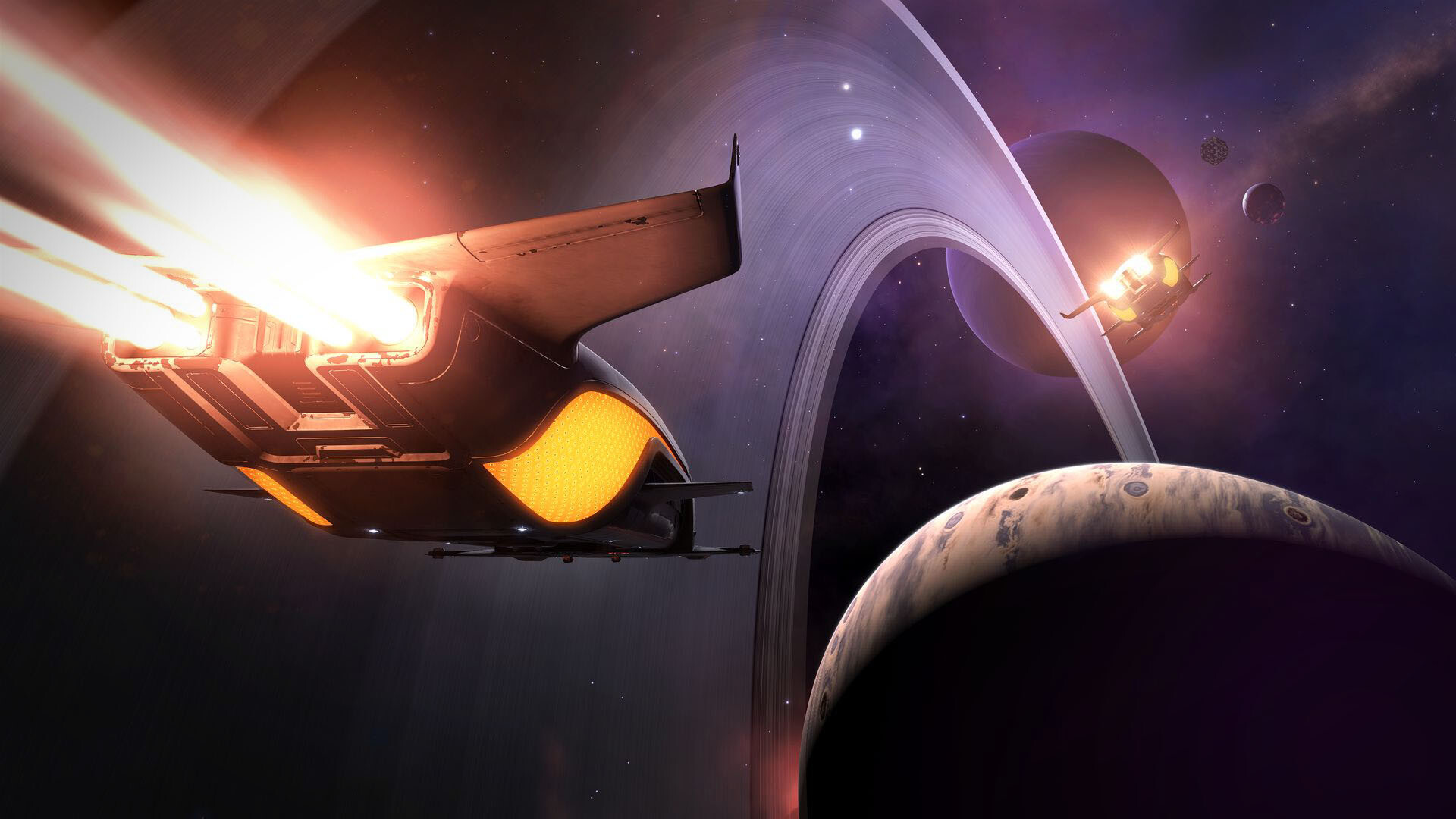
Not a flight sim in the strict sense, but I’d be doing you a disservice leaving it off – Elite Dangerous is still one of the most jaw-dropping VR cockpit experiences going. The sense of scale as you drift up to a station, or supercruise past a ringed gas giant, is unmatched, and you see all of it from a fully modelled ship cockpit. A couple of things to be straight about: the flying and the SRV driving are native VR, but the Odyssey on-foot content is not in VR (it renders as a flat panel floating in a void), and Frontier has said it isn’t adding it. There’s also no motion-controller support, so you’ll want a HOTAS. For space-sim and exploration fans with a stick already on the desk, it’s a stunning way to spend an evening. Roughly £20-30.
Star Wars: Squadrons

If you want the biggest grin for the least money and hassle (I LOVE this game), Squadrons is my pick for a first VR flight game. The entire thing – campaign and 5v5 multiplayer – plays from inside the cockpit of an X-wing or a TIE fighter, and sitting in those iconic seats in a headset is every bit as good as you’re hoping. It plays fine on a gamepad, so no HOTAS needed, and it’s cheap – list price is around £35 but it’s discounted 80-90% so often that you’ll rarely pay it. One note for honesty’s sake: EA isn’t actively developing it any more, but VR support is still in place and working (I checked the Steam listing – Tracked/SteamVR is still there). A brilliant, dramatic, low-commitment way to fall for VR flight.
No gaming PC? The best flying on a standalone Quest
Everything above needs a gaming PC. These next two run entirely on a Meta Quest with nothing else attached, so they’re the picks if you’ve got a headset but not the rig behind it. Don’t expect study-sim depth or MSFS scenery – expect comfortable, hand-controlled flying that’s really good fun.
Ultrawings 2
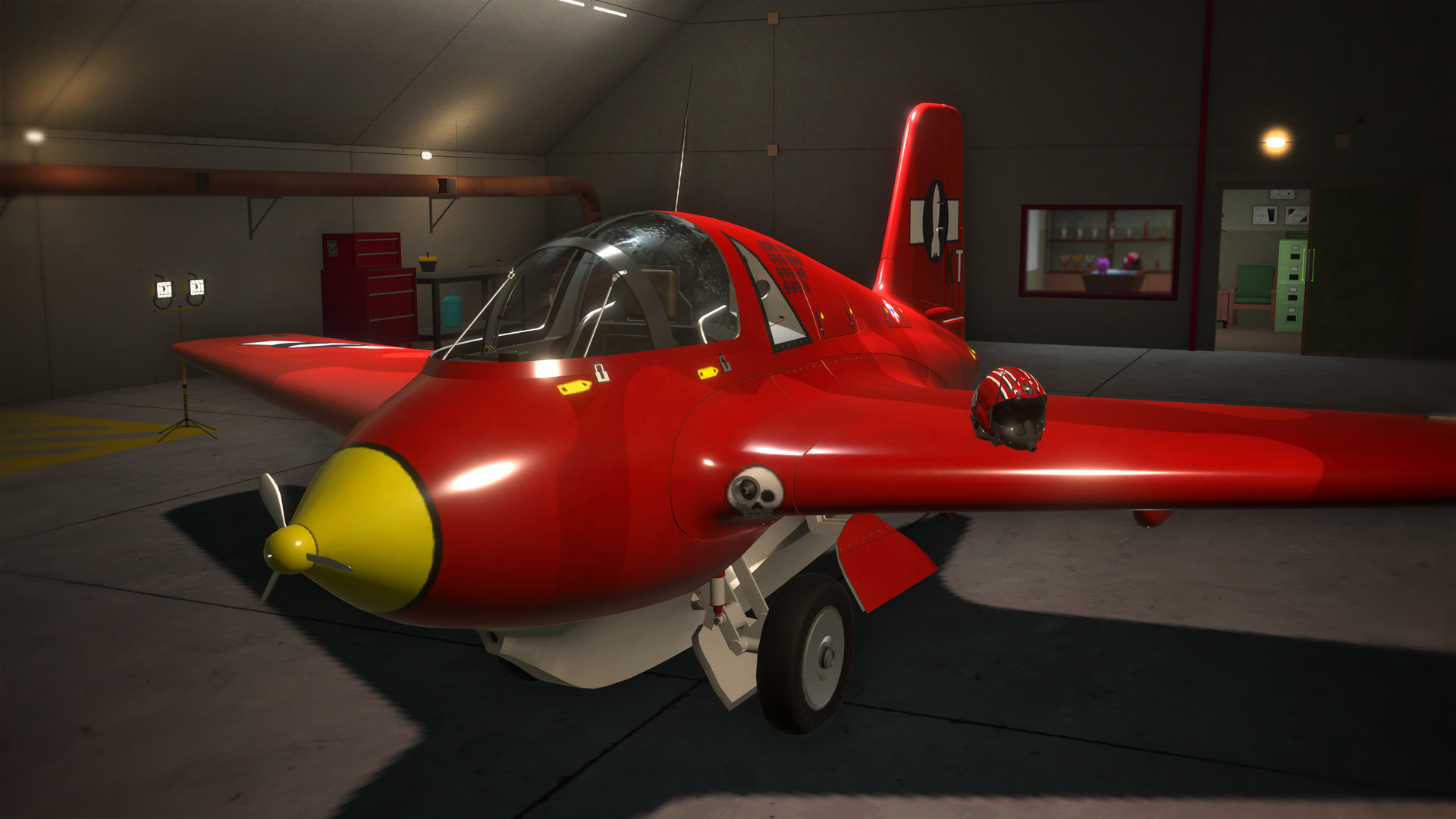
Ultrawings 2 is the best-executed casual flying on standalone Quest, and it leans into what the hardware does well. You buy planes, take on jobs (photo runs, balloon-popping, races) across an open world of islands, and you fly by physically grabbing the yoke and throttle with your hands. The visuals are stylised and low-poly, so don’t buy it for the graphics – buy it for the flying-with-your-hands feel, which is lovely, and for the fact it all runs on the headset with no PC in sight. About £20, and a top pick for anyone whose VR flying has to happen on a Quest alone.
Warplanes: WW1 Fighters and WW2 Dogfight
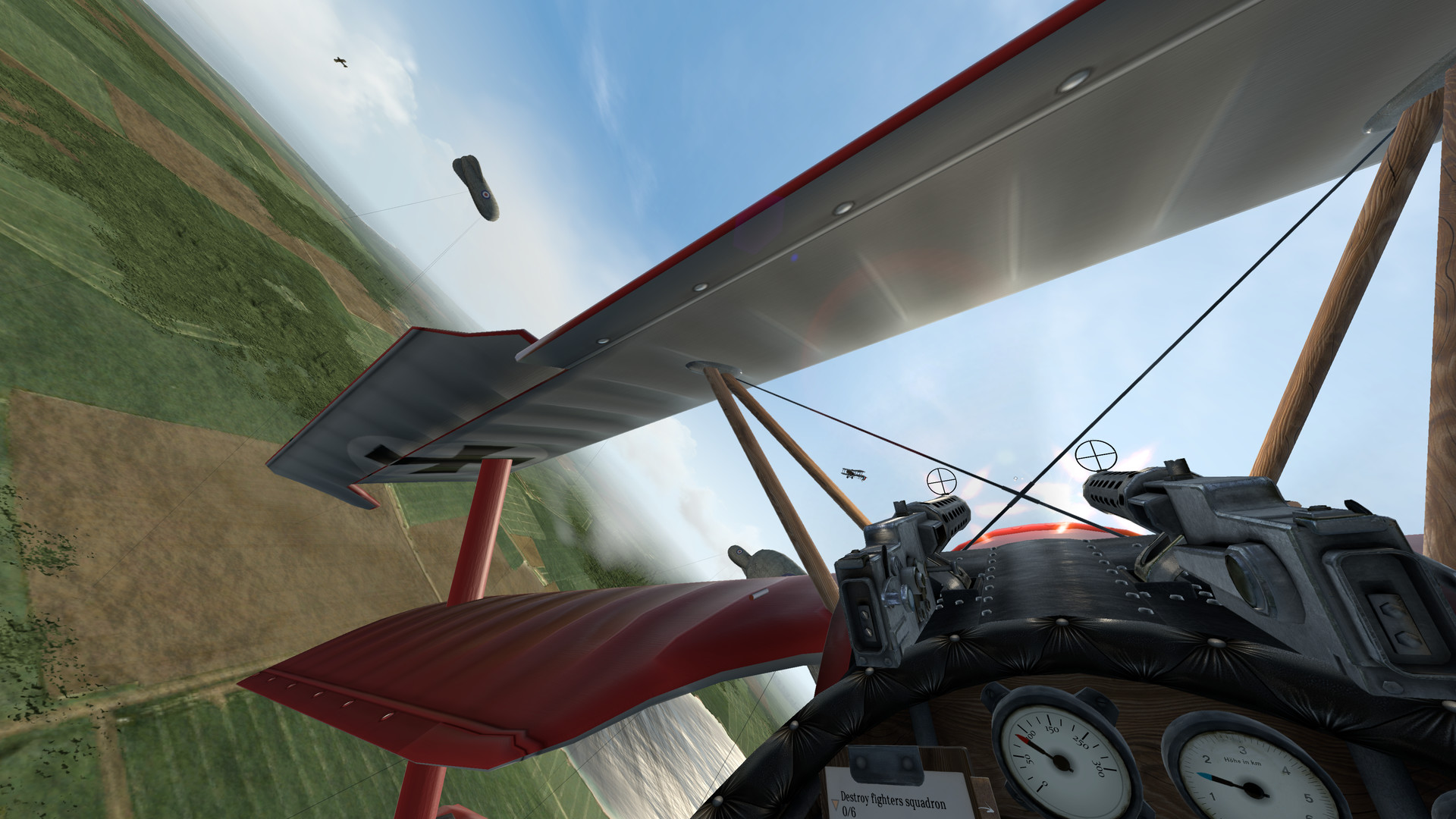
For dogfighting on a Quest without a PC, the Warplanes pair is the one to grab. WW1 Fighters puts you in Great War biplanes and triplanes; the sister title WW2 Dogfight does the Second World War. Leaning out over the twin machine guns of an open biplane to line up a shot is exactly the sort of thing VR was made for, and both run natively on the headset with difficulty that scales from arcade to sim-lite. WW1 Fighters sits at “Very Positive” on Steam, and they’re a natural pairing to Ultrawings 2 if you’re building a little standalone hangar. Around £15-20 each.
So which should you fly first?
If you’ve a capable PC and you want the full thing, it comes down to what kind of flying you’re after: DCS for study-level combat, MSFS 2024 for civilian flying and sightseeing the planet, IL-2 or Aces of Thunder for WWII dogfights. Want your hands in the cockpit without buying a HOTAS? Start with VTOL VR. Just want a grin for a few quid? Squadrons. And if it’s a Quest on its own, Ultrawings 2 and the Warplanes games will keep you happy.
Whatever you pick, the flying is only as good as the headset it runs on – reading instruments and spotting traffic is the whole game, and that comes down to clarity. If you’ve not sorted that side yet, have a read of my best VR headsets for flight simulation guide. Sort the headset, load one of these up, and I’ll see you in the skies. Enjoy!
Related Posts
The Best VR Flight Games and Sims
Best Throttle for Flight Simulator 2026: MOZA, Honeycomb, Thrustmaster, WinCTRL Compared
MOZA AY210 + MFY Yoke Review: The Autopilot-Moves-the-Yoke Setup That Earns Its $848
Force Feedback for Flight Simulation: What It Is, What It Costs, and When You Should Spend on It (2026)
MOZA AB6 vs AB9: Which Force Feedback Flight Base Should You Buy in 2026?
MOZA AB6 Review: Budget Force Feedback Flight Stick Bundle
Topic: Flight Simulation